
What Is Palliative Care?
Palliative care focuses on improving comfort, managing symptoms, and supporting emotional well-being for anyone living with a serious or chronic illness—at any stage, not just near the end of life.
It can be provided alongside active treatments such as chemotherapy, dialysis, or heart failure management. The goal is to ease suffering, help patients maintain independence, and support families through the challenges of complex medical care.
Common Conditions That Benefit from Palliative Care
- Cancer (during or after treatment)
- Heart disease and heart failure
- COPD and chronic lung conditions
- Kidney disease
- Alzheimer’s disease and other dementias
- Parkinson’s disease and ALS
Key Benefits
- Relief from pain, nausea, fatigue, anxiety, and breathlessness
- Emotional and psychological support for both patient and family
- Guidance with medical decisions and advance care planning
- Coordination among doctors, specialists, and caregivers
Fact: According to the World Health Organization (WHO), palliative care should begin early in the course of illness—not just when treatments stop.
What Is Hospice Care?
Hospice care is a type of palliative care designed specifically for individuals with a life expectancy of six months or less, when the focus shifts from curing the illness to maximizing comfort and dignity.
Hospice teams provide physical, emotional, and spiritual care wherever the person feels most at home—whether that’s in their own house, an assisted-living residence, or a hospice facility.
Hospice Services Often Include
- Skilled nursing and symptom management
- Pain control and comfort measures
- Home health aides for personal care
- Medical equipment and medications related to the diagnosis
- Counseling and bereavement support for families
A Focus on Dignity and Choice
Hospice honors the individual’s wishes—how they want to live, what matters most, and who they want by their side. It’s about living fully until the end, not giving up.
Fact: Studies show that patients who receive hospice care often experience better symptom control and greater satisfaction than those who do not.
The Difference Between Hospice and Palliative Care
While the two terms are closely connected, they differ mainly in timing and eligibility.
| Feature | Palliative Care | Hospice Care |
| When It Begins | Any stage of illness | Typically last 6 months of life |
| Treatment Focus | Comfort and curative treatment | Comfort only (no active curative care) |
| Location | Hospital, clinic, or home | Home, facility, or hospice center |
| Insurance Coverage | Often covered under standard health insurance | Usually covered by Medicare, Medicaid, or private insurance |
| Goal | Improve quality of life during illness | Ensure comfort, dignity, and peace at the end of life |
Both care types share a common philosophy: compassion, communication, and comfort.
Why Hospice and Palliative Care Awareness Matters
Despite their benefits, hospice and palliative care are still underused. Many families wait too long to seek support—sometimes until the final days.
Increasing awareness helps change that. When families understand these services earlier, they can make informed choices and relieve unnecessary suffering.
Barriers to Access
- Misconceptions that hospice means “giving up”
- Cultural or emotional discomfort with end-of-life discussions
- Lack of communication between doctors and families
- Fear of cost or loss of control
The Truth
Hospice and palliative care are not about surrender—they’re about support and empowerment. They give families the tools, knowledge, and guidance to navigate illness with grace and stability.
The Role of the Caregiver in Hospice
Family caregivers are the unsung heroes of hospice and palliative care. They provide hands-on support, emotional comfort, and often coordinate communication between multiple professionals. Many Home Care agencies offer palliative care in the home.
Caregiver Support Through Hospice Care
- Education: Learning what to expect and how to manage symptoms at home.
- Respite: Time off to rest while trained staff provide care.
- Counseling: Emotional and grief support before and after a loved one’s passing.
- Team Connection: Nurses, social workers, and chaplains available 24/7 for questions or emergencies.
Hospice and palliative programs are as much for the caregiver as for the patient.
How to Start the Conversation
Starting a discussion about hospice or palliative care can feel daunting—but it doesn’t have to be. Early conversations lead to smoother transitions and more peace of mind for everyone involved.
Hospice and Palliative Care Conversation Starters
- “I’ve noticed you’ve been more tired lately—have you thought about extra help at home?”
- “Your doctor mentioned comfort care options. Would you like to learn more about what that means?”
- “What matters most to you right now—comfort, independence, family time?”
Practical Steps to Learn More
- Talk with your healthcare provider. Ask if a palliative care referral might be appropriate.
- Contact your local hospice agency. Many offer free consultations or informational visits.
- Gather information. LMD Care Consulting can help families understand eligibility, costs, and next steps.
Myths vs. Facts
Myth: Hospice means there’s no hope.
Fact: Hospice offers hope for comfort, dignity, and peace of mind.
Myth: Hospice is only for the last few days.
Fact: Patients can receive hospice care for months and may even stabilize or improve.
Myth: Families lose control of decisions.
Fact: Hospice care is centered around the patient’s and family’s choices every step of the way.
Myth: Palliative care is only for cancer patients.
Fact: Palliative care helps people with many chronic or serious conditions—not just cancer.
How LMD Care Consulting Supports Families
At LMD Care Consulting, we believe no family should face serious illness or end-of-life decisions alone. Our care manager helps families:
- Understand the differences between hospice and palliative care
- Coordinate communication with healthcare teams
- Provide guidance to secure trusted hospice or palliative providers in their area
- Support caregivers emotionally and practically during the transition
Whether you’re planning ahead or facing decisions in real time, compassionate guidance makes all the difference.
Final Thoughts
World Hospice & Palliative Care Day reminds us that quality of life matters—at every stage. These services are not about endings but about living well, with dignity, comfort, and support.
If your loved one is living with a serious illness, now is the time to explore how hospice or palliative care can help. Early planning relieves stress, strengthens family communication, and ensures every moment counts.
Compassionate care isn’t just a service—it’s a promise. At LMD Care Consulting, we help families navigate the journey with knowledge, empathy, and heart.
Share This Story, Choose Your Platform!
Meet the Author

Purchase my “Prepare for Care” Guide
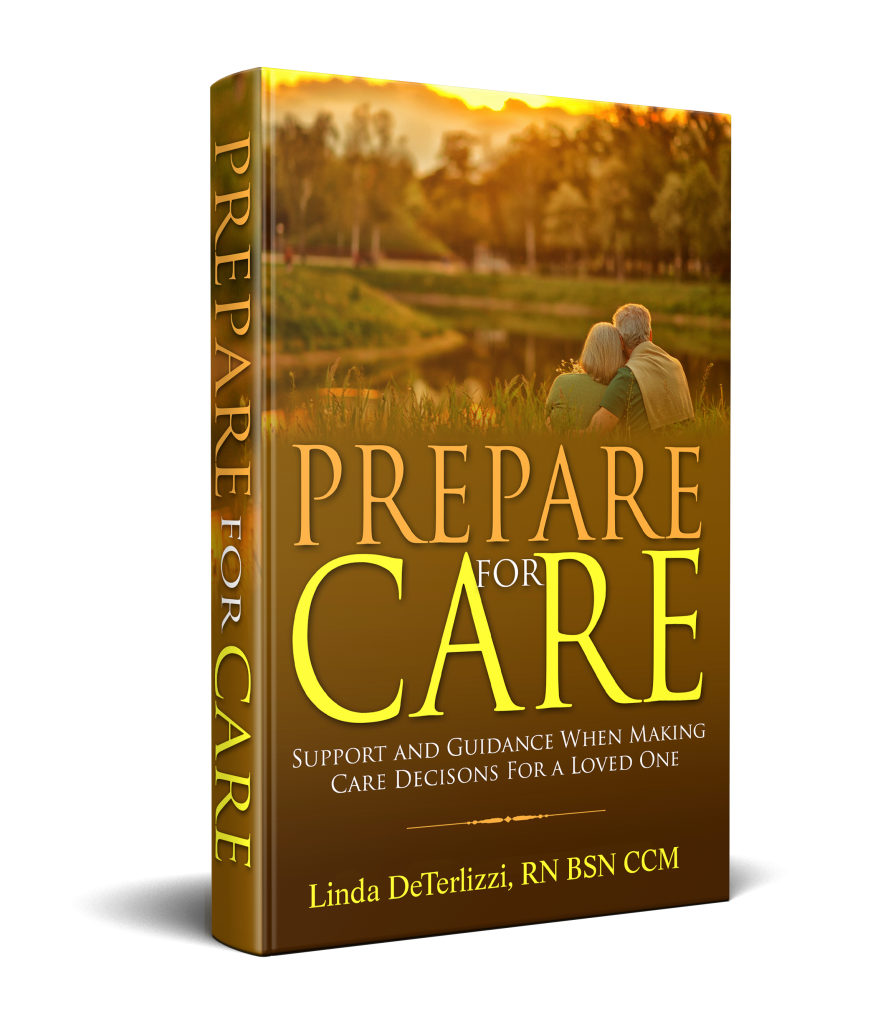
Get your personal guide today!




Connect with Linda