
A dementia diagnosis often brings a wave of emotions—grief, fear, confusion, and even relief after months of uncertainty. But once the initial shock fades, many families are left wondering: What do we do next?
At LMD Care Consulting, we guide families through the early steps after a diagnosis and help them build a compassionate, realistic care plan. Here’s how to start.
1. Understand the Diagnosis
Dementia is an umbrella term for a range of conditions that affect memory, thinking, and behavior. The most common form is Alzheimer’s disease, but others include vascular dementia, Lewy body dementia, and frontotemporal dementia.
Key Facts:
- Dementia is progressive—symptoms worsen over time
- There is currently no cure, but some treatments can slow progression
- Early intervention can improve quality of life
2. Have an Honest Conversation
Start by talking to your loved one—if they’re cognitively able—about what they understand and how they feel. Be patient. Offer reassurance. And allow space for both practical planning and emotional processing.
3. Build a Support Network
You don’t have to go it alone.
Create a team that includes:
- Family members
- A primary care doctor and neurologist
- A care manager
- A dementia care specialist
- Support groups (for the person and the caregiver)
4. Create a Care Plan
Work with professionals to outline a care plan that includes:
- Daily living support (meal prep, hygiene, medication)
- Cognitive stimulation activities
- Home safety modifications
- Respite care options for family caregivers
5. Address Legal and Financial Issues Early
This is a crucial step while your loved one can still participate in decision-making:
- Establish or update Power of Attorney (medical & financial)
- Create or update a will and advance directives
- Review insurance, assets, and long-term care planning
6. Focus on Safety
As dementia progresses, safety becomes a growing concern:
- Install grab bars, remove tripping hazards
- Consider GPS tracking if wandering is a risk
- Monitor kitchen usage or remove stove knobs
7. Understand Behavior Changes
Dementia often causes personality shifts, mood swings, and confusion. This is due to the disease, not the person. Approaching behaviors with patience and redirection is key.
8. Take Care of Yourself, Too
Caregiving is demanding. You must protect your own mental, emotional, and physical health.
- Join a support group
- Set realistic expectations
- Accept help from others
- Take breaks without guilt
9. Plan for the Future
Even if your loved one is functioning well now, dementia will progress. It’s wise to explore options like:
- Home care services
- Adult day programs
- Memory care communities
- Hospice care when appropriate
How LMD Care Consulting Supports Families
We help you:
- Create individualized care plans
- Navigate preparations
- Communicate effectively with the medical team
10. Embrace the Journey
A dementia diagnosis is not the end—it’s a shift. While it brings challenges, it can also bring moments of joy, laughter, and connection.
With support, education, and compassion, families can move forward with strength and grace.
Final Thought
The road after a dementia diagnosis is never easy, but you don’t have to walk it alone. At LMD Care Consulting, we’re here to help you navigate every turn, one step at a time.
Share This Story, Choose Your Platform!
Meet the Author

Purchase my “Prepare for Care” Guide
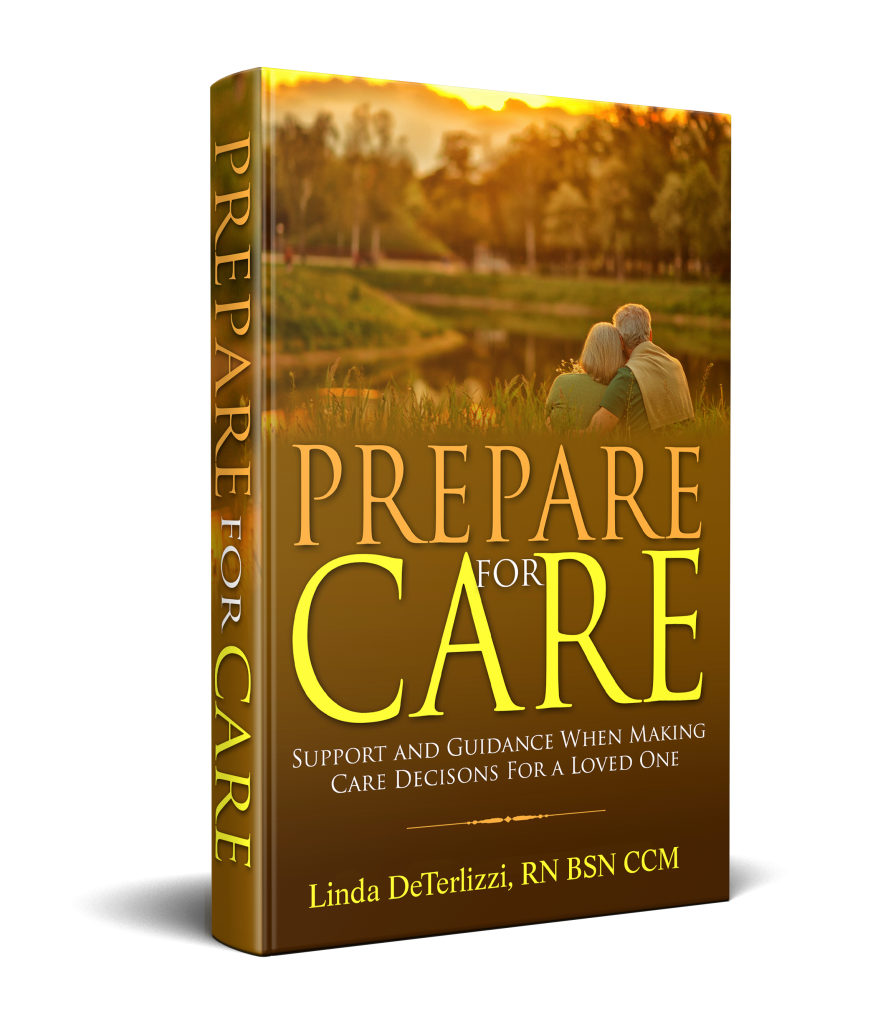
Get your personal guide today!




Connect with Linda