
Care decisions are rarely easy — but in a crisis, they can feel nearly impossible.
A fall.
A hospitalization.
A sudden diagnosis.
Families are often asked to make major decisions within hours, sometimes minutes, with little information and intense emotional pressure.
Where should they go after discharge?
Is it safe to return home?
Who will provide care?
These decisions don’t just feel urgent — they feel permanent.
And yet, most families are making them for the first time, under stress, without a plan.
Why Crisis Decision-Making Feels So Overwhelming
1. Emotional Overload
In a crisis, fear takes over:
- Fear of making the wrong choice
- Fear of decline
- Fear of loss
The brain shifts into survival mode, making it harder to process information clearly.
2. Time Pressure
Hospitals often require quick decisions:
- Discharge timelines
- Insurance limitations
- Bed availability
Families feel rushed — even when the decision is complex.
3. Lack of Information
Many families don’t know:
- What level of care is appropriate
- What services are available
- What insurance will cover
Without context, every option feels uncertain.
Common Mistakes in Crisis Decisions
- Choosing the fastest option, not the best one
- Overestimating what can be managed at home
- Avoiding difficult decisions altogether
- Not asking enough questions
These mistakes are understandable — but preventable.
How to Prepare Before a Crisis Happens
1. Understand Care Options
Know the difference between:
- Home care
- Assisted living
- Skilled nursing
(Links naturally to your levels of care blog)
2. Have Legal Documents in Place
- Power of attorney
- Healthcare proxy
- Advance directives
3. Talk About Preferences Early
Even simple questions help:
- “Would you want to stay home if possible?”
- “What matters most if your health changes?”
4. Build a Support Network
Know who you can call:
- Family members
- Care managers
- Medical providers
The Role of a Care Manager
A care manager can:
- Guide decision-making in real time
- Explain options clearly
- Coordinate care transitions
- Reduce emotional pressure
Families don’t have to navigate crisis alone.
A Final Thought
Crisis decisions feel overwhelming because they are.
But preparation turns panic into clarity.
The goal is not to eliminate stress — it’s to reduce uncertainty so families can make informed, confident decisions when it matters most.
|
Apr 16, 2026, 5:42 PM |
|
||
|
||||

The Role of a Care Manager
A care manager can:
- Guide decision-making in real time
- Explain options clearly
- Assitst with coordinating care transitions
- Reduce emotional pressure
Care decisions are rarely easy — but in a crisis, they can feel nearly impossible.
A fall.
A hospitalization.
A sudden diagnosis.Families are often asked to make major decisions within hours, sometimes minutes, with little information and intense emotional pressure.
Where should they go after discharge?
Is it safe to return home?
Who will provide care?These decisions don’t just feel urgent — they feel permanent.
And yet, most families are making them for the first time, under stress, without a plan.
Why Crisis Decision-Making Feels So Overwhelming
1. Emotional Overload
In a crisis, fear takes over:
- Fear of making the wrong choice
- Fear of decline
- Fear of loss
The brain shifts into survival mode, making it harder to process information clearly.
2. Time Pressure
Hospitals often require quick decisions:
- Discharge timelines
- Insurance limitations
- Bed availability
Families feel rushed — even when the decision is complex.
3. Lack of Information
Many families don’t know:
- What level of care is appropriate
- What services are available
- What insurance will cover
Without context, every option feels uncertain.
Common Mistakes in Crisis Decisions
- Choosing the fastest option, not the best one
- Overestimating what can be managed at home
- Avoiding difficult decisions altogether
- Not asking enough questions
These mistakes are understandable — but preventable.
How to Prepare Before a Crisis Happens
1. Understand Care Options
Know the difference between:
- Home care
- Assisted living
- Skilled nursing
(Links naturally to your levels of care blog)
2. Have Legal Documents in Place
- Power of attorney
- Healthcare proxy
- Advance directives
3. Talk About Preferences Early
Even simple questions help:
- “Would you want to stay home if possible?”
- “What matters most if your health changes?”
4. Build a Support Network
Know who you can call:
- Family members
- Care managers
- Medical providers
The Role of a Care Manager
A care manager can:
- A care manager can:
- Guide decision-making in real time
- Explain options clearly
- Assist with coordinating care transitions
- Reduce emotional pressure
Families don’t have to navigate crisis alone.
A Final Thought
Crisis decisions feel overwhelming because they are.
But preparation turns panic into clarity.
The goal is not to eliminate stress — it’s to reduce uncertainty so families can make informed, confident decisions when it matters most.
Share This Story, Choose Your Platform!
Meet the Author

Purchase my “Prepare for Care” Guide
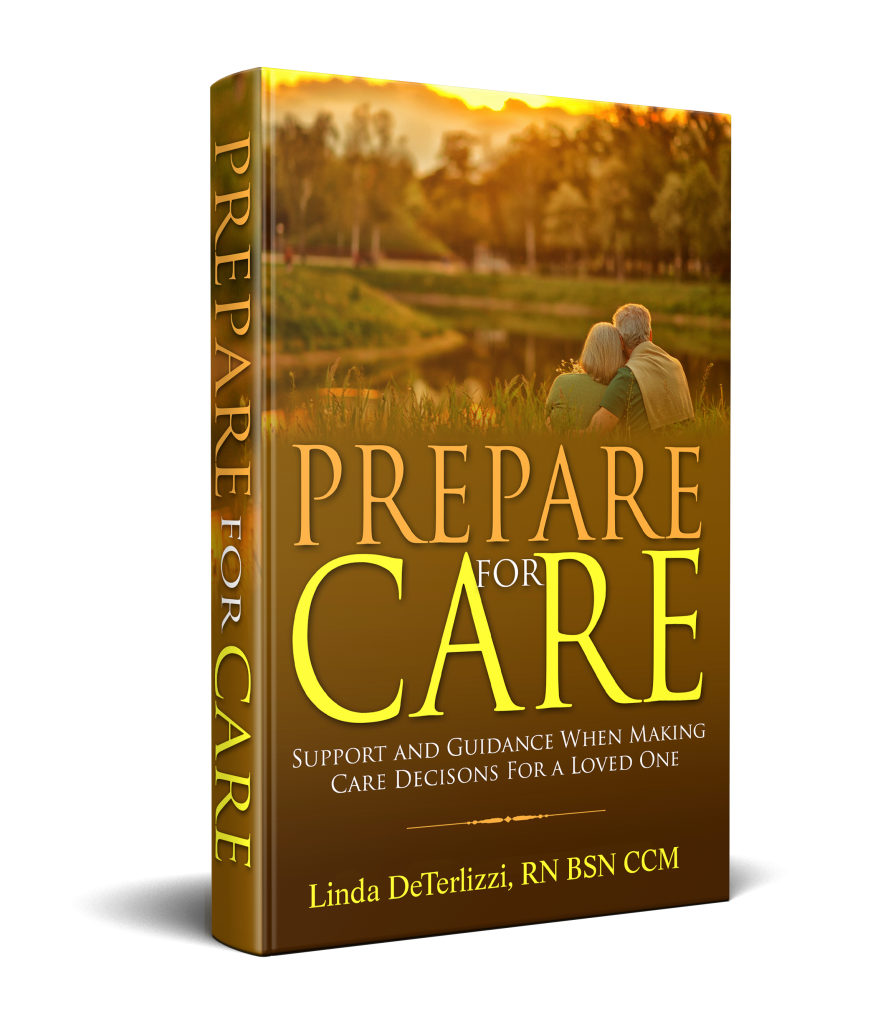
Get your personal guide today!




Connect with Linda