
Medications are meant to help — but sometimes, they can do the opposite.
Many older adults (and others with complex health needs) take multiple prescriptions daily. While each medication may be necessary, the combination can create unintended consequences.
This is known as medication overload, or polypharmacy.
What Is Medication Overload?
Typically defined as taking 5 or more medications, especially when:
- Multiple providers are involved
- Conditions overlap
- Medications interact
Why It Happens
- Multiple specialists prescribing independently
- Lack of coordination
- Symptoms treated individually instead of holistically
Warning Signs Families Miss
- Increased confusion
- Dizziness or falls
- Fatigue
- Appetite changes
- Mood changes
These are often mistaken for “aging” — but may be medication-related.
The Risks
- Falls
- Hospitalizations
- Cognitive decline
- Reduced quality of life
What Families Can Do
- Request regular medication reviews
- Use one pharmacy when possible
- Track side effects
- Ask: “Is this still necessary?”
Share This Story, Choose Your Platform!
Meet the Author

Linda has decades of nursing and case management experience. She strives to guide people through difficult care decisions for their loved ones. She is a Licensed Register Nurse with a Bachelor of Nursing Degree and Certified Case Manager practicing as a Hospital Case Manager.
Purchase my “Prepare for Care” Guide
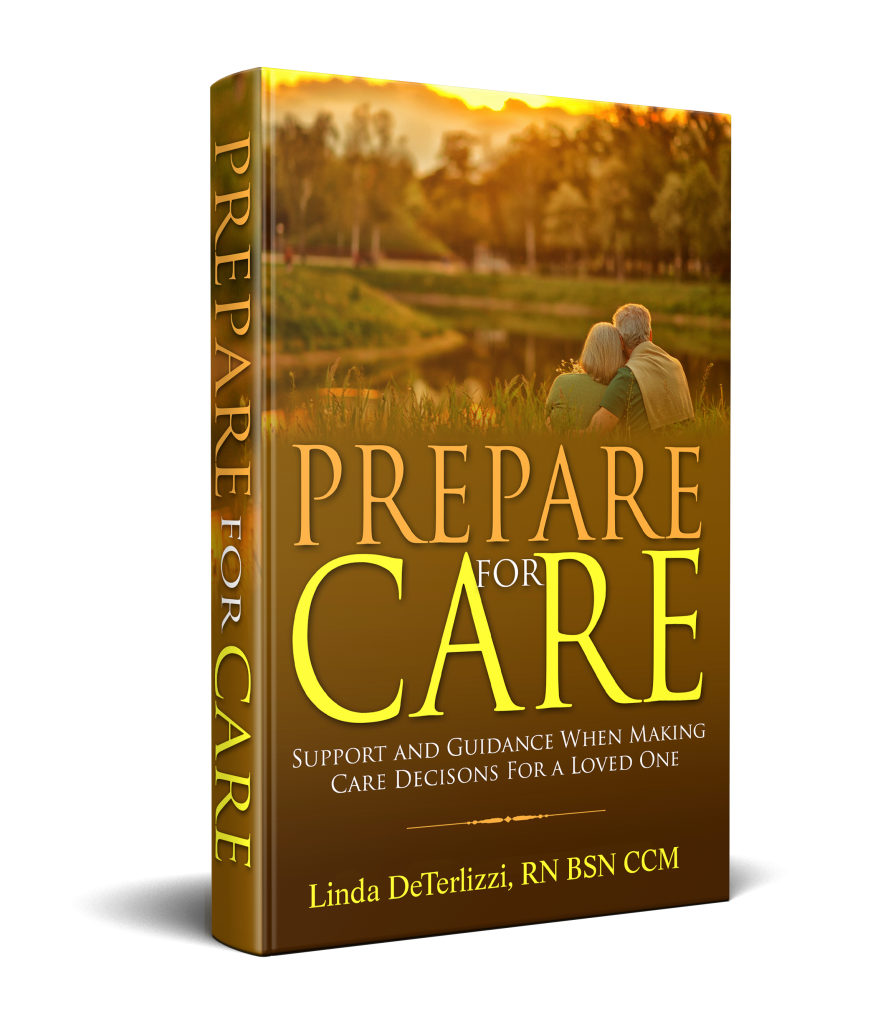
Get your personal guide today!




Connect with Linda