
One of the most emotionally charged situations families face is this:
You see the changes.
You see the risks.
You see the decline.
And your aging parent says,
“I’m fine.”
When aging parents refuse help, it leaves families feeling frustrated, scared, and often powerless. The instinct to protect collides with a parent’s desire to maintain independence. Conversations turn tense. Resentment builds. And sometimes, families wait for a crisis because they don’t know what else to do.
But refusal is common — and it is rarely about stubbornness alone.
Understanding why parents resist help is the first step toward finding a productive path forward.
Why Aging Parents Refuse Help
Refusal is usually rooted in emotion, not logic.
1. Fear of Losing Independence
For many older adults, accepting help feels like surrender. Assistance with medications, meals, or transportation can feel like confirmation that they are no longer capable.
They may equate help with:
- Loss of control
- Loss of dignity
- Being moved from their home
- Becoming a burden
The fear beneath the refusal is often greater than the practical issue being discussed.
2. Denial of Decline
Some parents genuinely do not recognize changes. Mild cognitive impairment, early dementia, or even depression can affect insight.
They may not:
- Notice missed medications
- Recall falls
- Recognize safety risks
- Understand the severity of forgetfulness
In these cases, refusal may reflect limited awareness rather than resistance.
3. Pride and Generational Values
Many older adults were raised in eras that emphasized self-reliance. Accepting help can feel like weakness.
Statements like:
“I’ve taken care of myself my whole life.”
“I don’t need someone babysitting me.”
“I’m not ready for that.”
Often reflect deeply rooted identity.
4. Fear of Cost
Some parents resist help because they worry about finances. They may fear:
- Depleting savings
- Leaving less for heirs
- Long-term care costs
Financial anxiety can quietly fuel refusal.
When Refusal Becomes Dangerous
Not every refusal requires immediate intervention. But certain situations elevate risk:
- Repeated falls
- Medication errors
- Driving accidents
- Wandering
- Severe memory impairment
- Unsafe living conditions
When safety is compromised, families must shift from persuasion to protection.
What Families Should Avoid
Before discussing what works, it’s important to acknowledge what often makes things worse.
Avoid:
- Arguing with facts (“You fell twice this month!”)
- Using ultimatums too early
- Threatening placement
- Comparing them to others
- Taking over without discussion
Confrontation often increases resistance.
What Families Can Do Instead
1. Start Small
Instead of introducing full-time help, consider:
- Grocery delivery
- Housekeeping once a month
- Medication organizer setup
- A companion visit once weekly
Gradual introduction reduces fear.
2. Frame Help as Support — Not Supervision
Language matters.
Instead of:
“You can’t manage this anymore.”
Try:
“This would make things easier for you.”
“You deserve a little support.”
“This helps us worry less.”
Preserving dignity reduces defensiveness.
3. Focus on Their Goals
Ask:
“What matters most to you right now?”
“What do you want to avoid?”
If staying home is the priority, explain how support increases the likelihood of aging in place.
4. Bring in a Neutral Professional
Sometimes parents resist children — but listen to professionals.
A care manager can:
- Conduct objective assessments
- Provide recommendations
- Reduce emotional intensity
- Validate concerns without escalating conflict
Neutral voices often succeed where family cannot.
5. Address Underlying Issues
Refusal sometimes masks:
- Depression
- Grief
- Anxiety
- Early cognitive decline
Treating these conditions may reduce resistance.
When Capacity Is in Question
If cognitive impairment is significant and safety risks are severe, families may need to review:
- Healthcare proxy
- Power of attorney
- Guardianship (in extreme cases)
These decisions are serious and should involve professional guidance.
The goal is always the least restrictive, most respectful intervention possible.
Supporting Yourself as the Adult Child
When aging parents refuse help, emotional strain is significant.
You may feel:
- Guilt
- Anger
- Helplessness
- Exhaustion
Remember:
You cannot control another adult’s choices.
You can only control how you respond.
Seeking guidance early prevents burnout.
A Final Thought
Refusal is not failure.
It is often fear wearing the mask of independence.
Approach conversations with patience, strategy, and empathy. Small steps, consistent messaging, and professional support can often break through resistance without damaging the relationship.
The goal is not to “win.”
The goal is safety, dignity, and preserving connection for as long as possible.
Share This Story, Choose Your Platform!
Meet the Author

Purchase my “Prepare for Care” Guide
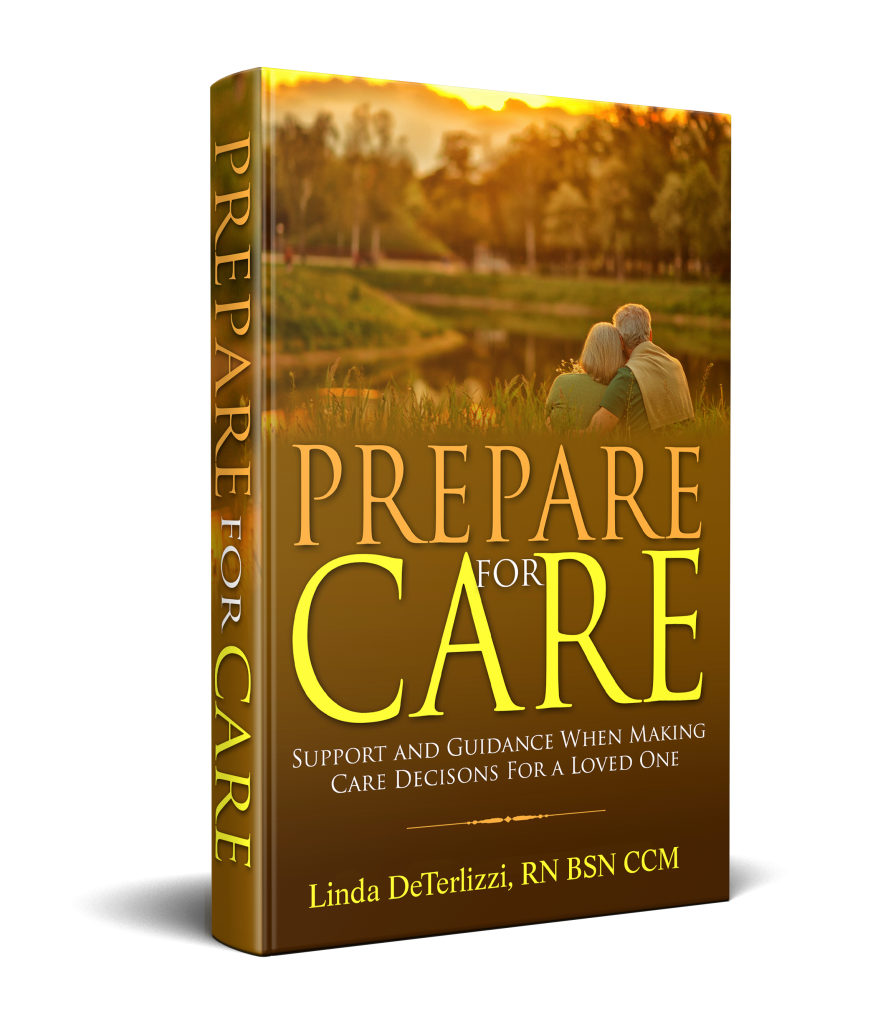
Get your personal guide today!




Connect with Linda