
Introduction: “But They Don’t Look Sick”
Sarah’s husband had been living with multiple sclerosis for five years.
On good days, he coached their daughter’s soccer team, mowed the lawn, and laughed with neighbors over the backyard fence.
On difficult days, he struggled to get out of bed because overwhelming fatigue made even simple tasks feel impossible.
To the outside world, he looked healthy.
Friends would often say,
“It’s great to see you’re feeling better!”
What they didn’t see was that attending a one-hour birthday party meant he would likely spend the rest of the weekend recovering.
They didn’t see the medication side effects.
They didn’t see the chronic pain.
They didn’t see Sarah quietly managing medications, appointments, insurance paperwork, household responsibilities, and emotional support behind the scenes.
Invisible illnesses are exactly that—conditions whose symptoms aren’t always obvious to others.
Because people often “look fine,” caregivers may find themselves constantly explaining, advocating, and defending challenges that no one else can see.
It’s a unique kind of caregiving—one that’s often overlooked, misunderstood, and emotionally exhausting.
Whether you’re supporting someone living with lupus, Crohn’s disease, fibromyalgia, multiple sclerosis, chronic migraines, long COVID, autoimmune disorders, epilepsy, mental health conditions, or another invisible illness, your role matters.
This article explores the unique challenges of caregiving for someone whose illness isn’t immediately visible—and how caregivers can provide support while also protecting their own well-being.
What Is an Invisible Illness?
An invisible illness is a medical condition whose symptoms may not be immediately apparent to others.
Unlike a broken bone, visible injury, or the use of mobility equipment, these conditions often fluctuate from day to day.
Someone may appear perfectly healthy while quietly experiencing:
- Chronic pain
- Extreme fatigue
- Dizziness
- Brain fog
- Digestive issues
- Memory difficulties
- Anxiety
- Depression
- Autoimmune flare-ups
- Neurological symptoms
Because these challenges can’t always be seen, they’re often misunderstood.
People may unintentionally assume:
“They look fine.”
“Maybe they’re exaggerating.”
“They just need more rest.”
“Everyone gets tired.”
These comments, while often well-intentioned, can be deeply discouraging for both the individual and the caregiver.
The Hidden Role of the Caregiver
When people think about caregiving, they often imagine helping someone who is visibly frail or recovering from a major illness.
But caregiving for someone with an invisible illness can look very different.
It often includes:
- Managing medications
- Tracking symptoms
- Coordinating specialist appointments
- Monitoring flare-ups
- Helping conserve energy
- Providing transportation
- Navigating insurance
- Offering emotional support
- Adjusting daily plans at the last minute
Many of these responsibilities happen quietly, behind closed doors.
As a result, caregivers themselves may feel invisible.
Others may not realize the amount of time, planning, and emotional energy required simply to help someone get through an ordinary day.
Living With Unpredictability
One of the most challenging aspects of invisible illnesses is their unpredictability.
A person may feel well enough to attend a family gathering one afternoon and be unable to get out of bed the following morning.
Symptoms can change quickly.
Plans may need to change just as quickly.
This unpredictability affects everyone in the household.
Vacations may be canceled.
Dinner plans may change.
Household responsibilities shift without warning.
Caregivers often become experts at adapting.
Flexibility becomes part of everyday life.
While adaptability is a strength, constantly adjusting plans can also become emotionally draining.
The Emotional Weight of Being Believed
Many people living with invisible illnesses spend years trying to convince others that their symptoms are real.
Caregivers often become their strongest advocates.
You may find yourself explaining to employers…
Teachers…
Friends…
Extended family…
Or even healthcare providers.
Repeatedly validating someone else’s experience can become exhausting.
One of the greatest gifts a caregiver can offer is simple belief.
Sometimes the most healing words are:
“I believe you.”
“I know today is hard.”
“We will figure this out together.”
Validation doesn’t cure an illness.
But it reduces isolation.
And sometimes that’s exactly what’s needed most.
Helping Without Taking Over
Caregivers naturally want to make life easier.
But it’s also important to preserve independence whenever possible.
Instead of assuming what someone needs, ask:
“What would be most helpful today?”
Some days they may appreciate practical help with meals or errands.
Other days they may simply need someone to listen without trying to fix the problem.
Support should adapt to the person’s changing needs.
There’s no one-size-fits-all approach to caregiving.
When Others Don’t Understand
Invisible illnesses often create difficult social situations.
Friends may stop inviting someone because they’ve canceled plans before.
Family members may question whether symptoms are “really that bad.”
Coworkers may not understand why someone needs accommodations.
These situations can leave both caregivers and their loved ones feeling isolated.
One way caregivers can help is by educating others when appropriate while also remembering that not everyone will fully understand.
Your job isn’t to convince everyone.
Your job is to support the person you love.
The Mental Load No One Talks About
Caregiving extends far beyond the tasks that people can see.
Many caregivers describe constantly thinking ahead.
They remember:
- When the next medication refill is due.
- Which specialist needs updated records.
- Whether insurance approved the latest treatment.
- Which activities may trigger symptom flare-ups.
- Whether today’s plans leave enough time to rest afterward.
This invisible planning happens quietly, often without recognition.
Unlike household chores that can be checked off a list, the mental load of caregiving never truly ends.
Many caregivers find themselves “on duty” even while trying to relax.
Recognizing this emotional burden is an important step toward preventing burnout.
Balancing Encouragement With Understanding
Caregivers often struggle with an important question:
“Should I encourage them to push through—or encourage them to rest?”
The answer depends on the individual, the condition, and the day.
Sometimes gentle encouragement helps someone stay connected to the activities they enjoy.
Other times, rest is exactly what their body needs.
Instead of making assumptions, ask open-ended questions:
- “How are you feeling today?”
- “What feels manageable?”
- “Would you like encouragement or would you rather simply be heard?”
Listening without judgment often provides more support than trying to solve the problem.
Caring for the Relationship—Not Just the Illness
When illness becomes part of everyday life, it’s easy for conversations to revolve around symptoms, medications, and appointments.
Over time, relationships can begin to feel more like caregiving partnerships than friendships, marriages, or parent-child relationships.
Make space for conversations that have nothing to do with health.
Watch a favorite movie.
Take a short drive.
Listen to music.
Celebrate small victories.
Share a meal together.
Moments of connection remind both people that illness is only one part of their story—not the whole story.
Recognizing Caregiver Burnout
Supporting someone with an invisible illness can be emotionally draining because there is often no clear timeline for recovery.
Unlike caring for someone after surgery or a short-term illness, caregivers may not know whether symptoms will improve next month—or next year.
Watch for signs that you may need support yourself:
- Feeling emotionally exhausted.
- Becoming impatient more easily.
- Difficulty sleeping.
- Constant worry.
- Losing interest in activities you once enjoyed.
- Feeling isolated from friends and family.
- Guilt when taking time for yourself.
These feelings don’t mean you’re failing.
They mean you’re human.
Seeking support isn’t giving up.
It’s helping yourself continue providing compassionate care over the long term.
Building a Circle of Support
No caregiver should carry everything alone.
Support may come from many places:
- Family members
- Friends
- Faith communities
- Support groups
- Therapists
- Care managers
- Community organizations
Sometimes people genuinely want to help—they simply don’t know how.
Instead of saying,
“I’m fine.”
Try being specific.
“Could you pick up groceries this week?”
“Would you be willing to drive to Tuesday’s appointment?”
“Could you stay with them for an hour while I attend my own appointment?”
Small acts of help can make an enormous difference.
When Healthcare Becomes Complicated
Many invisible illnesses involve multiple specialists.
One provider may focus on pain.
Another manages medications.
A third monitors autoimmune symptoms.
A fourth addresses mental health.
Without someone coordinating information, important details can easily fall through the cracks.
Keeping organized records, bringing updated medication lists, and maintaining communication between providers helps ensure everyone is working from the same information.
This is one area where caregivers often become the essential connection between different parts of the healthcare system.
Partnering With LMD Care Consulting
Living with an invisible illness often means navigating complex healthcare systems, coordinating multiple providers, and adjusting to changing needs that others may not always understand.
At LMD Care Consulting, we assist individuals and families by helping to organize care, improve communication among healthcare providers, connect with community resources, and create personalized care plans that support both the individual and the caregiver.
Our goal is to reduce stress, provide guidance, and help families feel less alone as they navigate the challenges of long-term illness.
Because every caregiver deserves support—and every person’s experience deserves to be seen, heard, and respected.
LMD Caregiver Corner
This Week’s Takeaway
One of the most meaningful things you can say to someone living with an invisible illness is:
“I believe you.”
Caregiving isn’t always about fixing problems.
Sometimes it’s about standing beside someone, believing their experience, and reminding them they don’t have to face it alone.
Compassion doesn’t require all the answers.
It simply requires showing up.
Caregiver Checklist
If you’re supporting someone with an invisible illness, ask yourself:
☐ Have I checked in without making assumptions?
☐ Have I listened more than I’ve tried to solve?
☐ Have I encouraged independence when possible?
☐ Have I helped organize medical information?
☐ Have I taken time to care for my own well-being?
☐ Have I asked for help when I needed it?
☐ Have I reminded my loved one that I believe them?
Conclusion
Invisible illnesses may not always be obvious to the outside world, but their impact is very real. Behind many of these conditions is a caregiver quietly managing medications, coordinating appointments, adapting plans, offering encouragement, and providing unwavering emotional support—often without recognition.
While these caregivers may go unseen, the difference they make every day is immeasurable.
Supporting someone with an invisible illness isn’t about having all the answers. It’s about being present through uncertainty, believing someone’s experience even when others cannot see it, and helping them navigate life with dignity, compassion, and hope.
Caregiving can sometimes feel lonely, especially when others don’t fully understand what your family is experiencing. Remember that you don’t have to carry every responsibility alone. Building a support system, staying connected with healthcare providers, and seeking guidance when needed are all signs of strength—not weakness.
The journey may not always be visible.
But neither is the extraordinary compassion, resilience, and love that caregivers bring to it every single day.
And that deserves to be seen.
Share This Story, Choose Your Platform!
Meet the Author

Purchase my “Prepare for Care” Guide
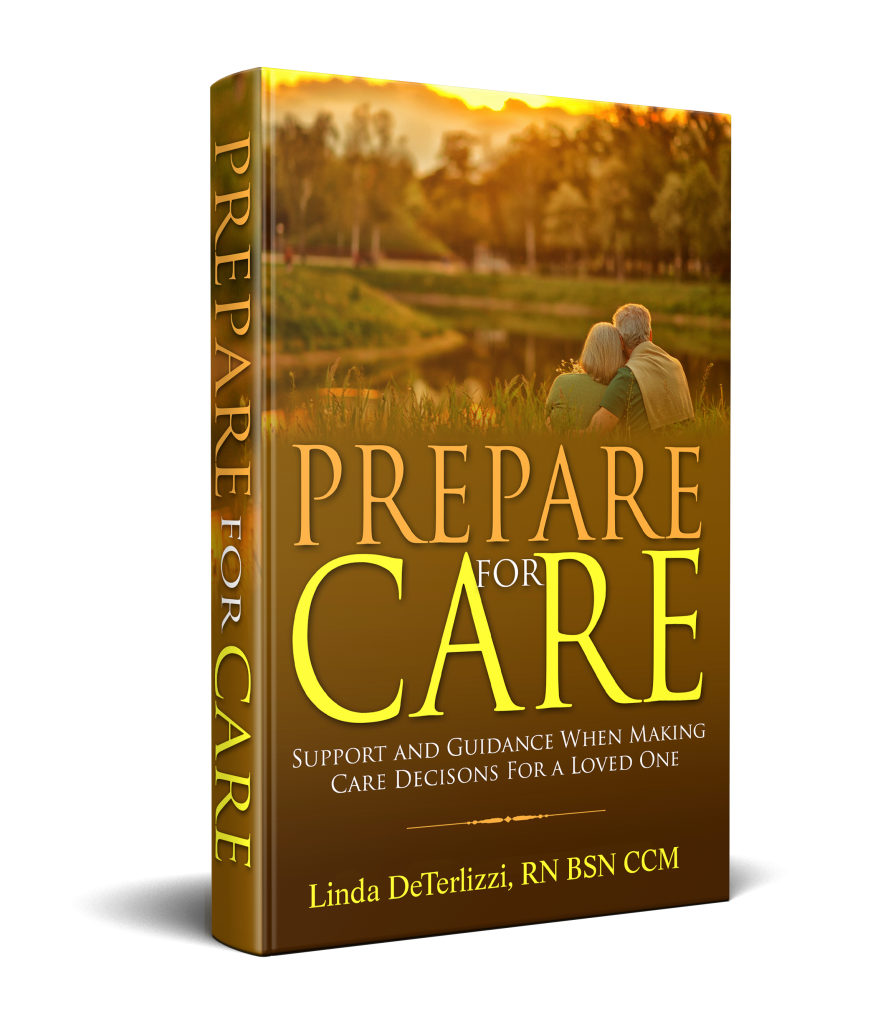
Get your personal guide today!




Connect with Linda