
Introduction: “I Can’t Explain It… They’re Just Not Themselves.”
It happens in conversations with caregivers every day.
“I know the test results were normal…”
“I can’t really describe it…”
“Nothing major has happened…”
“They just don’t seem like themselves anymore.”
Often, caregivers notice changes long before anyone else does.
Not dramatic changes.
Not emergencies.
Small things.
A spouse who suddenly stops reading the newspaper every morning.
A parent who has always been meticulous but now forgets to pay bills.
A child who seems unusually withdrawn after weeks of chronic headaches.
A friend recovering from surgery who isn’t bouncing back the way everyone expected.
Individually, these moments may not seem alarming.
Together, they can tell an important story.
One of the greatest strengths caregivers bring to the healthcare team is something that isn’t listed on a medical chart:
They know the person.
They know what’s normal.
They know routines.
They know habits.
And because of that, they’re often the first to recognize when something feels different—even if they can’t immediately explain why.
Learning to trust those observations, while also knowing how and when to seek medical guidance, is one of the most valuable caregiving skills you can develop.
The Power of Knowing Someone Well
Healthcare providers may see a patient for twenty minutes every few months.
Caregivers see everyday life.
You notice:
- How easily someone gets out of a chair.
- Whether they’re eating less than usual.
- If they’re sleeping more.
- Whether they’re laughing less.
- If they’re forgetting familiar routines.
- How they interact with family and friends.
These aren’t things that can always be measured with a blood test or imaging study.
They’re changes in daily living.
And they matter.
Small Changes Often Come Before Big Ones
Serious health concerns rarely begin with dramatic symptoms.
Instead, caregivers often notice subtle shifts over days or weeks.
Examples include:
- Increased fatigue
- Changes in walking or balance
- Appetite changes
- Forgetfulness
- Mood changes
- Difficulty following conversations
- New confusion
- Sleeping significantly more or less
- Withdrawal from hobbies or social activities
While any one of these changes may have a simple explanation, persistent or worsening patterns deserve attention.
The goal isn’t to become alarmed.
It’s to become observant.
Look for Patterns Instead of Isolated Events
Everyone has an occasional bad day.
Everyone forgets things sometimes.
Everyone feels tired now and then.
Caregivers become especially valuable when they recognize patterns rather than focusing on isolated incidents.
Ask yourself:
- Has this happened more than once?
- Is it becoming more frequent?
- Is it affecting daily life?
- Is this different from what I’ve known to be normal?
Patterns often provide healthcare providers with information that individual events cannot.
Keeping a notebook or phone log of observations can make these patterns much easier to identify.
Your Observations Are Clinical Data
Many caregivers underestimate the value of what they see at home.
In reality, your observations are important pieces of medical information.
Rather than saying,
“They’re acting strangely.”
Try describing specific examples:
“Over the past two weeks, they’ve missed three appointments, forgotten to take medications twice, and have become unusually withdrawn during family dinners.”
Objective observations help providers better understand what’s happening outside the exam room.
Trust Your Instincts Without Jumping to Conclusions
One of the most difficult parts of caregiving is balancing intuition with perspective.
Trusting your instincts doesn’t mean assuming every symptom is serious.
It means recognizing when something deserves a closer look.
If something feels different, ask questions.
Schedule an appointment.
Document changes.
Continue observing.
It’s okay not to know exactly what’s wrong.
Your job isn’t to diagnose.
Your job is to notice.
When Changes Affect Safety
Some changes require more immediate attention than others.
Don’t delay seeking medical care if you notice:
- Sudden confusion
- New difficulty speaking
- Loss of balance resulting in falls
- Chest pain
- Difficulty breathing
- Sudden weakness
- Loss of consciousness
- Significant changes in behavior accompanied by safety concerns
If you believe someone is experiencing a medical emergency, seek emergency care immediately.
Trusting your instincts also means knowing when time matters.
Changes Aren’t Always Physical
One of the biggest misconceptions about health changes is that they must be physical to be important.
Sometimes the earliest signs are emotional, cognitive, or behavioral.
You may notice someone who once loved spending time with family suddenly prefers to stay home.
A spouse who has always managed the household finances begins missing bill payments.
A child recovering from a serious illness becomes unusually quiet or anxious.
A friend who has always been outgoing no longer answers phone calls.
These changes may have many possible explanations, but they deserve attention—especially if they’re new, persistent, or affecting everyday life.
Looking at the whole person, not just their symptoms, is one of the caregiver’s greatest strengths.
Keep a Simple Observation Journal
Caregivers often worry they’ll forget important details before an appointment.
A simple notebook or notes app can make a tremendous difference.
Consider recording:
- The date a change was first noticed
- What happened
- How long it lasted
- Whether anything seemed to trigger it
- Whether it improved or worsened
- Questions you want to ask the healthcare provider
You don’t need pages of detailed notes.
Even brief observations can reveal patterns over time and help providers better understand what’s happening between visits.
How to Share Concerns With Healthcare Providers
Sometimes caregivers hesitate to speak up because they don’t want to sound alarmist.
Remember, your goal isn’t to diagnose the problem.
Your goal is to share what you’ve observed.
Instead of saying:
“Something is terribly wrong.”
Try saying:
“Over the past month I’ve noticed several changes that are unusual for them, including…”
Then share specific examples.
Healthcare providers appreciate clear observations because they provide valuable context that cannot always be gathered during a short appointment.
What If You’re Told Everything Is Fine?
This can be one of the most frustrating experiences for caregivers.
You know something feels different, yet testing doesn’t reveal an obvious explanation.
If symptoms continue, don’t ignore your concerns simply because the first evaluation was reassuring.
Continue documenting changes.
Follow up with the provider.
Ask whether additional evaluation or monitoring is appropriate.
Medicine is rarely about a single snapshot in time.
Sometimes patterns only become clear over weeks or months.
Persistent, respectful advocacy often leads to answers that weren’t immediately apparent.
Avoid the Temptation to Self-Diagnose
Today’s internet offers an endless amount of health information.
While education is valuable, searching symptoms online can quickly become overwhelming.
Almost any symptom can lead to frightening possibilities.
Instead of trying to identify the diagnosis yourself, focus on collecting accurate observations.
Leave the diagnosis to healthcare professionals.
Your expertise lies elsewhere.
You know the person’s routines.
You know what’s normal.
You know when something has changed.
That perspective is incredibly valuable.
Caregiving Is Built on Attention
Caregivers often underestimate how much difference they make simply by paying attention.
The fact that you notice subtle changes means someone is being seen.
Someone is being cared for.
Someone has an advocate who recognizes that small changes deserve thoughtful consideration.
Sometimes those observations prevent complications.
Sometimes they simply provide reassurance.
Both outcomes matter.
Partnering With LMD Care Consulting
Recognizing subtle changes is only one part of caregiving.
Knowing what to do next can be even more challenging.
At LMD Care Consulting, we help individuals and families make sense of changing healthcare needs by coordinating care, organizing medical information, preparing for appointments, and connecting families with the resources they need.
Whether you’re noticing small changes, navigating a new diagnosis, or simply wondering what questions to ask, we’re here to help you move forward with confidence.
Caregiving isn’t about having all the answers.
It’s about having the right support when questions arise.
LMD Caregiver Corner
This Week’s Takeaway
Never underestimate the value of knowing someone well.
Medical tests provide important information.
So do the quiet observations made around the kitchen table, during a walk through the neighborhood, or while sharing everyday life together.
Your instincts aren’t a diagnosis.
They’re an invitation to look more closely.
And sometimes, that makes all the difference.
Caregiver Checklist
Take a moment to reflect.
☐ Have I noticed changes in appetite, sleep, mood, or memory?
☐ Am I seeing a pattern rather than a single event?
☐ Have I documented my observations?
☐ Have I shared my concerns clearly with the healthcare provider?
☐ Do I know which symptoms require urgent medical attention?
☐ Have I continued to trust my observations while remaining open to professional guidance?
Conclusion
Caregivers are often the first people to recognize that something has changed—not because they have medical training, but because they know the person behind the diagnosis.
They notice the missed routines, the quieter conversations, the extra naps, the forgotten appointments, and the subtle shifts that don’t always appear during a medical exam.
Those observations matter.
Trusting your instincts doesn’t mean assuming the worst or trying to diagnose a condition on your own. It means paying attention, documenting patterns, asking thoughtful questions, and seeking guidance when something doesn’t feel right.
Healthcare is most effective when caregivers and healthcare providers work together, each bringing valuable knowledge to the conversation.
Providers bring medical expertise.
Caregivers bring the story of everyday life.
Together, those perspectives create a more complete picture—and often lead to earlier intervention, better communication, and more personalized care.
Because sometimes the most important words a caregiver can say are simply:
“Something feels different.”
And sometimes, those words are exactly where the journey toward answers begins.
Share This Story, Choose Your Platform!
Meet the Author

Purchase my “Prepare for Care” Guide
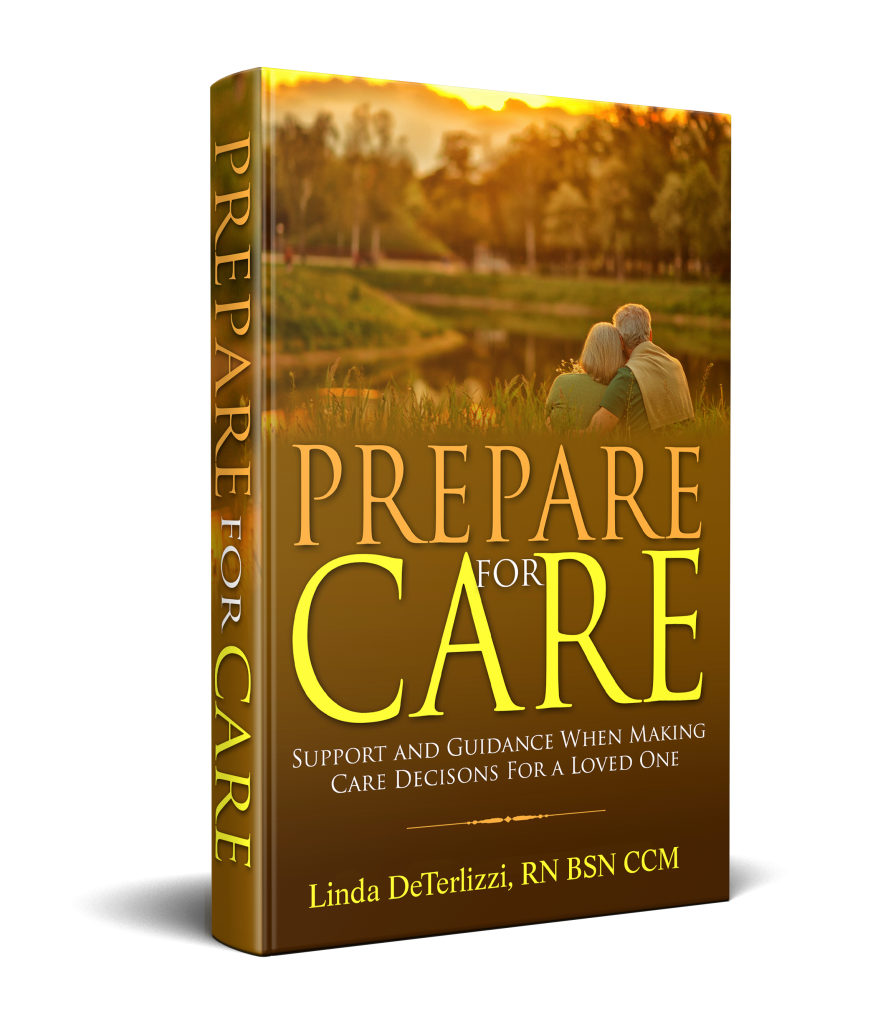
Get your personal guide today!



Connect with Linda