
Introduction: The Moment Everything Changes
The words may be different.
“It’s Parkinson’s disease.”
“The biopsy confirms cancer.”
“Your child has autism.”
“You have multiple sclerosis.”
“This appears to be early dementia.”
No matter the diagnosis, many families describe the experience the same way.
Time seems to stop.
You hear the diagnosis, but the rest of the conversation becomes a blur. Your mind races ahead to questions that no one has answered yet.
What happens now?
Will life ever feel normal again?
How do I tell my family?
Where do we even begin?
A diagnosis can bring relief after months of uncertainty, but it can also bring fear, grief, confusion, and an overwhelming amount of information all at once.
The truth is that most families don’t need to have every answer on the day of a diagnosis.
They simply need to know what the next right step is.
Whether you’re supporting a spouse, child, parent, sibling, or close friend, this article will help you move beyond the initial shock and begin building a path forward—one step at a time.
There Is No “Right” Way to React
Some people cry.
Some ask dozens of questions.
Others become completely silent.
Many caregivers immediately switch into “problem-solving mode,” making phone calls, researching specialists, and creating lists before they’ve even had time to process what they’ve heard.
Every response is normal.
Receiving a diagnosis often brings a mix of emotions, including:
- Relief after finally having an explanation
- Fear of the unknown
- Sadness or grief
- Anger
- Guilt
- Hope
- Determination
You may even experience several of these emotions in the same afternoon.
Give yourself permission to feel them without judging yourself.
Don’t Let Google Become Your Doctor
One of the first things many families do is search the internet.
While online information can be helpful, it can also be overwhelming.
Search results often include:
- Worst-case scenarios
- Outdated statistics
- Personal experiences that may not apply
- Misinformation
Instead of trying to learn everything in one night, begin with trusted medical organizations and write down questions for your healthcare provider.
Remember:
Every diagnosis is unique because every person is unique.
Two people with the same condition can have very different experiences.
Focus on the Next Step—Not the Next Ten Years
One of the biggest sources of anxiety after a diagnosis is trying to predict the future.
Instead of asking:
“What will happen five years from now?”
Ask:
“What do we need to accomplish this week?”
Perhaps that’s:
- Scheduling a specialist appointment
- Filling a new prescription
- Telling close family members
- Learning about the condition
- Arranging transportation
- Meeting with a therapist or counselor
Small steps create momentum.
Momentum builds confidence.
Create a Care Notebook Early
One of the best things families can do after a diagnosis is begin organizing information from the very beginning.
Keep everything together in one place:
- Appointment summaries
- Medication lists
- Test results
- Provider contact information
- Insurance paperwork
- Questions for future visits
Having organized information reduces stress and helps everyone stay on the same page as care becomes more complex.
Remember That the Person Is More Than the Diagnosis
A diagnosis explains a medical condition.
It does not define a person.
Someone who loved gardening before a diagnosis still loves gardening.
A child who enjoyed drawing still enjoys creating art.
A spouse who always made everyone laugh is still the same person, even if life now includes new challenges.
It’s easy for conversations to become centered on appointments, medications, and symptoms.
Make space for ordinary moments, too.
Watch a favorite movie.
Take a short walk.
Celebrate birthdays.
Laugh together.
The diagnosis is part of your family’s story—but it is not the whole story.
You Don’t Have to Carry This Alone
Many caregivers immediately take on every responsibility themselves.
They don’t want to burden others.
They believe asking for help means they’re failing.
In reality, accepting support early often prevents burnout later.
Consider who might help with:
- Meals
- Transportation
- Childcare
- Household chores
- Emotional support
- Paperwork
- Attending appointments
People often want to help—they simply don’t know what you need unless you tell them.
Becoming Your Loved One’s Partner—Not Their Project Manager
One of the easiest traps caregivers fall into after a diagnosis is unintentionally taking over.
The desire comes from a place of love. You want to protect the person you care about. You want to fix what feels unfixable. You want to make things easier.
But even when someone is facing a serious diagnosis, they still deserve opportunities to make decisions, express preferences, and remain involved in their own care whenever possible.
Instead of saying,
“I’ll handle everything.”
Try asking,
“What would you like me to help with?”
That simple question reinforces dignity and preserves independence while still offering meaningful support.
Sometimes the best caregiving isn’t doing more.
It’s doing the right things together.
Prepare for the Questions That Come After the Appointment
Most families leave the doctor’s office with far more questions than answers.
Once the initial shock wears off, you may begin wondering:
- What treatments are available?
- Should we get a second opinion?
- Will insurance cover this?
- How will this affect work or school?
- What lifestyle changes should we expect?
- Are there community resources available?
Rather than trying to answer every question immediately, keep a running list.
Bring it to your next appointment.
Healthcare is a journey—not a single conversation.
Take Care of the Caregiver, Too
After a diagnosis, caregivers often put their own needs on hold.
Meals become rushed.
Sleep suffers.
Exercise disappears.
Medical appointments for yourself get postponed.
While this may feel necessary in the short term, it isn’t sustainable.
You cannot provide your best care when you’re running on empty.
Even small acts of self-care matter:
- Take a short walk.
- Accept help when it’s offered.
- Keep your own medical appointments.
- Stay connected with supportive friends.
- Find a support group if you need one.
- Give yourself permission to rest.
Looking after yourself isn’t selfish.
It’s one of the best ways to continue showing up for someone else.
Celebrate Progress—Not Perfection
Every caregiving journey includes setbacks.
Appointments get rescheduled.
Treatments change.
Symptoms improve and worsen.
Some days will feel hopeful.
Others may feel discouraging.
Instead of measuring success by perfection, celebrate progress.
Maybe today your loved one smiled.
Maybe they completed physical therapy.
Maybe you finally organized the medical paperwork.
Maybe you asked the difficult question you’d been avoiding.
Those victories matter.
Small successes build resilience for the road ahead.
Hope Can Coexist With Uncertainty
Receiving a diagnosis changes life.
But it doesn’t eliminate hope.
Hope simply changes shape.
Instead of hoping life stays exactly the same, families often begin hoping for:
- Good symptom management.
- Meaningful time together.
- Independence for as long as possible.
- Successful treatment.
- Comfort.
- Connection.
- Moments of joy.
Hope doesn’t ignore reality.
It helps us move through it.
Partnering With LMD Care Consulting
The days and weeks after a diagnosis can feel overwhelming. Between appointments, paperwork, treatment decisions, insurance questions, and emotional adjustment, many families wonder where to begin.
At LMD Care Consulting, we help individuals and families take that next step with confidence.
We partner with families to coordinate care, organize medical information, connect with community resources, prepare for appointments, and develop care plans that reflect each person’s goals, values, and unique circumstances.
You don’t have to navigate a new diagnosis alone.
Having a trusted guide can make the journey feel more manageable—and remind you that support is available every step of the way.
LMD Caregiver Corner
This Week’s Takeaway
A diagnosis changes many things.
But it doesn’t change the love you have for one another.
You don’t need to solve every problem today.
Focus on the next conversation.
The next appointment.
The next question.
The next small step.
Because healing, adaptation, and resilience rarely happen all at once.
They happen one step at a time.
Caregiver Checklist
After a new diagnosis, ask yourself:
☐ Do I understand the diagnosis in plain language?
☐ Have I written down my questions for the next appointment?
☐ Have I organized important medical information?
☐ Do I know who to call with concerns?
☐ Have I identified people who can help?
☐ Have I made time to process my own emotions?
☐ Have I remembered that this diagnosis does not define my loved one?
Conclusion
A diagnosis can feel like the end of the life you expected—but it is also the beginning of a new chapter. While that chapter may include uncertainty, it can also include resilience, meaningful relationships, new sources of strength, and moments of hope you never expected.
Families don’t have to have every answer immediately. The most important thing you can do is take the next right step, ask questions, stay organized, and remember that progress is built over time.
Most importantly, remember that behind every diagnosis is a person who still wants to be seen for who they are—not just the condition they’ve been given.
And behind that person is often a caregiver doing everything they can to help.
Neither of you has to walk the journey alone.
Share This Story, Choose Your Platform!
Meet the Author

Purchase my “Prepare for Care” Guide
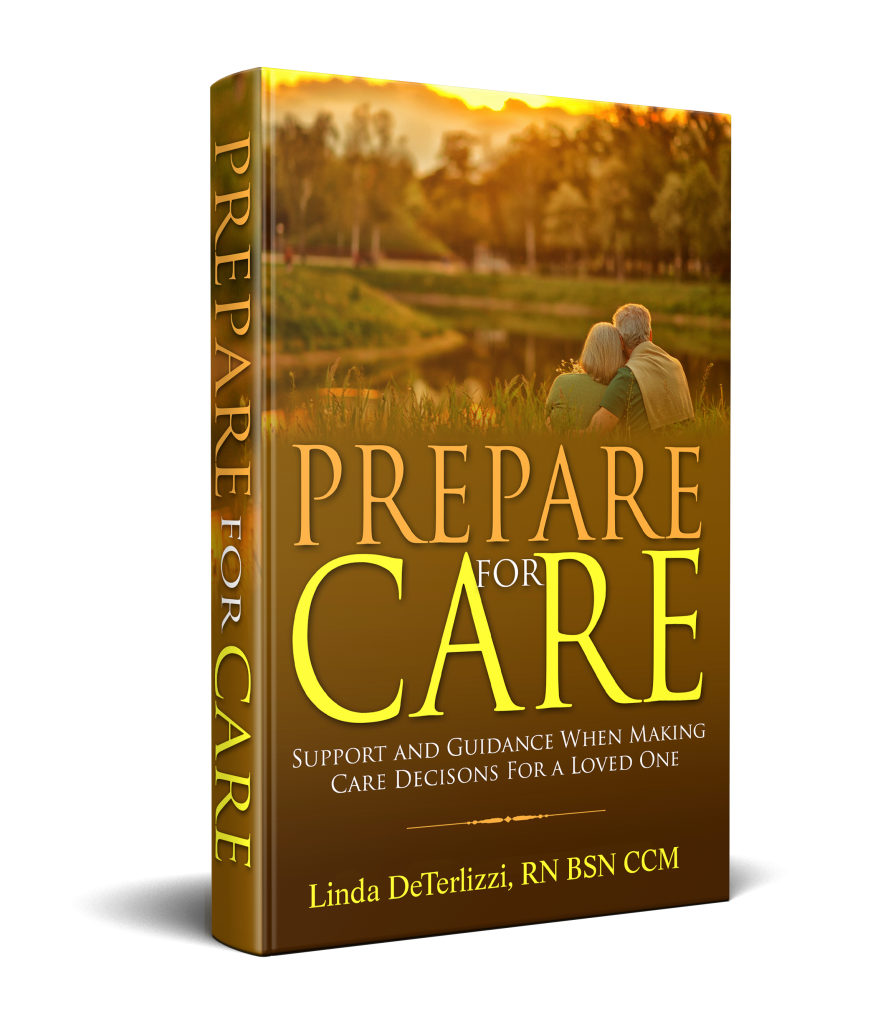
Get your personal guide today!




Connect with Linda