
Introduction: The Balance Families Struggle With Most
One of the hardest parts of caregiving is knowing when to step in — and when to step back.
Most older adults want to remain independent for as long as possible. They want to make their own decisions, maintain routines, and continue living life on their own terms. At the same time, caregivers often notice growing concerns about memory, mobility, driving, medication management, or safety at home.
This creates a difficult emotional balancing act:
How do you protect someone without taking away their independence?
May is Older Americans Month, a time to celebrate aging while also recognizing the challenges families face as care needs evolve. Supporting independence doesn’t mean ignoring risks, and prioritizing safety doesn’t have to mean removing dignity.
The healthiest caregiving relationships are built on collaboration, communication, and respect. This guide explores how families can support older adults safely while still honoring autonomy, identity, and quality of life.
Why Independence Matters So Much to Older Adults
Independence is deeply connected to:
- Identity
- Self-worth
- Confidence
- Purpose
- Emotional well-being
For many seniors, needing help can feel frightening or even humiliating. Accepting support may feel like:
- Losing control
- Becoming a burden
- “Getting old”
- Losing privacy
- Losing freedom
Caregivers often approach concerns from a place of love and protection, but older adults may experience those same efforts as criticism or loss.
Understanding this emotional perspective helps caregivers respond with empathy instead of frustration.
The Difference Between Helping and Taking Over
Caregiving sometimes shifts gradually. A caregiver may start by helping with errands and eventually find themselves managing medications, finances, appointments, and daily routines.
Without realizing it, families can accidentally take over tasks the senior is still capable of doing.
Supporting senior independence means asking:
- What can they still safely do?
- What support would make tasks easier instead of replacing them entirely?
- How can we preserve dignity while reducing risk?
The goal isn’t perfection — it’s safe participation and meaningful involvement.
Common Areas Where Families Struggle
There are several situations where independence and safety often collide.
1. Driving
Driving is one of the biggest emotional topics for older adults.
Caregivers may notice:
- Slower reaction times
- Getting lost
- Minor accidents or near misses
- Vision changes
- Increased anxiety while driving
For seniors, stopping driving can feel devastating because it affects:
- Freedom
- Social connection
- Identity
- Access to activities
Instead of demanding immediate change:
- Start conversations early
- Focus on safety, not blame
- Suggest alternatives gradually
- Limit difficult driving situations first (night driving, highways, snow)
2. Medication Management
Many seniors want to manage medications independently — even when mistakes begin happening.
Warning signs include:
- Missed doses
- Double dosing
- Confusion about schedules
- Expired medications
- Difficulty reading labels
Instead of taking complete control immediately, caregivers can:
- Use pill organizers
- Create simple medication charts
- Set phone reminders
- Review medications together weekly
This preserves involvement while improving safety.
3. Cooking and Nutrition
Cooking often represents independence and tradition. However, concerns may arise around:
- Forgetting food on the stove
- Poor nutrition
- Weight loss
- Unsafe kitchen habits
Supportive approaches include:
- Preparing ingredients in advance
- Using microwave-friendly meals
- Simplifying recipes
- Installing automatic shut-off appliances
- Encouraging shared meals
The goal is safer participation — not removing meaningful routines.
4. Personal Care and Hygiene
Bathing, dressing, and grooming are highly personal tasks.
Older adults may resist help because they:
- Feel embarrassed
- Fear losing privacy
- Want to maintain dignity
Caregivers can support independence by:
- Offering choices
- Respecting routines
- Using adaptive equipment
- Encouraging participation in manageable tasks
Even small choices restore a sense of control.
Why “Aging in Place” Requires Honest Conversations
Many families want loved ones to remain at home as long as possible. Aging in place can absolutely be successful — but only with realistic planning.
Caregivers should evaluate:
- Fall risk
- Cognitive changes
- Medication safety
- Mobility
- Nutrition
- Social isolation
- Emergency preparedness
A safe home environment often requires adjustments over time.
Supporting independence sometimes means adding support — not removing it.
The Emotional Side of Safety Conversations
Safety conversations are rarely just about safety.
They often trigger fears about:
- Aging
- Decline
- Loss of control
- Mortality
This is why conversations can quickly become emotional or defensive.
Helpful communication strategies:
1. Lead With Curiosity
Instead of:
“You can’t do this anymore.”
Try:
“How are you feeling about this lately?”
2. Focus on Shared Goals
Frame changes around:
- Staying safe
- Remaining independent longer
- Reducing stress
3. Avoid Power Struggles
Arguments usually increase resistance.
Offer options whenever possible.
4. Introduce Changes Gradually
Sudden loss of independence feels overwhelming.
Small adjustments often work better than major changes all at once.
The Risk of Overprotection
Sometimes caregivers become so focused on safety that life becomes overly restricted.
Overprotection can lead to:
- Depression
- Loss of confidence
- Reduced mobility
- Isolation
- Increased dependence
Every activity involves some level of risk. The goal is to reduce unnecessary danger — not eliminate all independence.
Supporting Decision-Making Capacity
Even when seniors need help, they should remain involved in decisions whenever possible.
Include them in conversations about:
- Medical care
- Living arrangements
- Finances
- Schedules
- Support services
Maintaining decision-making involvement protects dignity and trust.
Technology Can Support Independence
Simple technology tools can help seniors remain independent safely.
Examples include:
- Medication reminders
- Video doorbells
- Medical alert systems
- Smart home lighting
- Fall detection devices
- Video calling systems
Technology should support independence — not create surveillance or fear.
How Caregivers Can Reduce Their Own Anxiety
Caregiver fear is real. It’s hard watching someone you love age and change.
Caregivers often ask themselves:
- What if they fall?
- What if they forget medication?
- What if something happens while alone?
These fears can lead caregivers to overcompensate or become controlling.
Helpful strategies include:
- Creating emergency plans
- Using check-in systems
- Building support networks
- Consulting professionals
- Accepting that no plan removes all risk
Balance is healthier than perfection.
When More Support Becomes Necessary
Sometimes independence becomes unsafe despite everyone’s best efforts.
Warning signs may include:
- Repeated falls
- Wandering
- Severe confusion
- Unsafe driving
- Malnutrition
- Medication mismanagement
- Social withdrawal
- Frequent emergencies
These situations may require:
- Home care services
- Adult day programs
- Assisted living
- Memory care
- Increased family involvement
Needing support is not failure. It’s part of adapting to changing needs.
How LMD Care Consulting Can Help
- Assess safety concerns with cargivers
- Support aging in place
- Navigate difficult conversations
- Coordinate care services and care plans
- Reduce caregiver stress
- Preserve dignity and independence whenever possible
Professional guidance helps families make thoughtful, compassionate decisions without panic or conflict.
Conclusion: Independence and Safety Can Coexist
Supporting senior independence doesn’t mean ignoring risks. And protecting safety doesn’t mean taking away freedom.
The best caregiving approaches honor both.
With patience, communication, and thoughtful support, families can help older adults maintain dignity, purpose, and meaningful independence while adapting safely to life’s changes.
Aging is not about losing value — it’s about finding new ways to live fully and safely at every stage of life.
Share This Story, Choose Your Platform!
Meet the Author

Purchase my “Prepare for Care” Guide
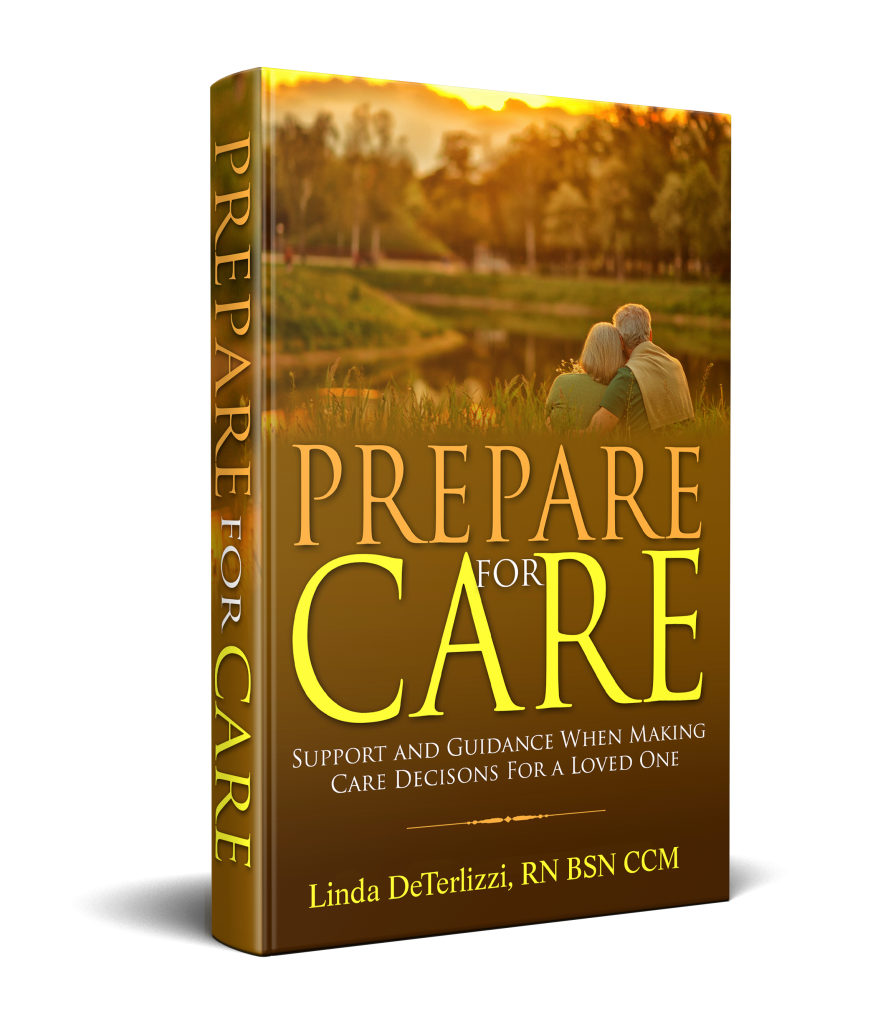
Get your personal guide today!




Connect with Linda