
When the Holiday Rush Finally Ends
The holiday season is often described as magical, but for caregivers, it’s also one of the most exhausting times of the year. Long prep days, disrupted routines, family events, weather challenges, and emotional pressure can push caregivers to their limits — especially those caring for seniors with chronic illness or memory loss.
By the time January arrives, many caregivers feel physically drained and emotionally stretched thin.
This is precisely when post-holiday respite care for caregivers becomes essential. After weeks of giving, coordinating, hosting, and caregiving, it’s time to restore your energy, reset your routines, and recover from holiday burnout. Respite care offers a temporary and much-needed break, benefiting both caregivers and the seniors they support.
This guide explains why early-year respite care is so important, how to recognize burnout after the holidays, and what types of respite options may be most helpful in January and beyond.
1. Why Caregiver Stress Peaks After the Holidays
Even when the holidays go smoothly, caregivers often hit an emotional and physical wall once the festivities end.
Reasons stress increases after the holidays:
1. Holiday fatigue catches up
During December, caregivers often push through exhaustion. Once January arrives, fatigue finally hits.
2. Routines were disrupted
Changes in sleep, meals, medication timing, and social activity can throw both caregivers and seniors off balance.
3. Emotional letdown sets in
The transition from holiday busyness to quiet winter days can feel heavy or lonely.
4. Seniors may decline more noticeably
The holidays can create increased confusion, falls, or health changes — adding stress for caregivers afterward.
5. Caregivers often neglect self-care during December
January becomes the month where exhaustion surfaces, sometimes in the form of illness, irritability, or burnout.
This is why early-year respite is not only helpful — it’s necessary.
2. What Post-Holiday Respite Care Really Means
Respite care provides temporary relief by allowing someone else to support the senior for a set period of time. After the holidays, respite helps caregivers:
- Recover rest
- Catch up on postponed personal needs
- Re-establish routines
- Restore emotional balance
- Prevent long-term burnout
Respite can last:
- A few hours
- A full day
- Several days
- Overnight
- Or longer
The goal is simple:
Give caregivers a chance to rest and rebuild after the most demanding season of the year.
3. The Benefits of Post-Holiday Respite Care for Caregivers
Taking time to decompress after the holidays is not indulgent — it’s essential for health and stability.
1. Reduces exhaustion and burnout
Breaks allow caregivers to physically and mentally reset.
2. Helps regulate sleep and energy
Holiday schedules often disrupt rest. Respite helps restore healthy sleep patterns.
3. Improves mood and emotional well-being
A quiet moment after weeks of chaos can significantly reduce stress.
4. Strengthens patience and presence
Caregivers return with renewed energy and emotional bandwidth.
5. Allows time for personal and household needs
January often means catching up on:
- Doctor appointments
- Home cleanup
- Financial tasks
- Meal prepping
- Organizing medication routines
- Personal rest and hobbies
6. Protects long-term caregiving stability
Regular breaks — especially after high-stress seasons — prevent crisis fatigue.
4. The Benefits of Post-Holiday Respite for Seniors
Respite isn’t just good for caregivers — it benefits seniors, too.
Respite supports seniors by:
- Giving them new social interaction
- Preventing feelings of being a “burden”
- Providing cognitive stimulation
- Offering structured routines after holiday disruptions
- Supporting independence
- Improving emotional well-being
A rested caregiver creates a healthier care environment for the senior.
5. Types of Respite Care Especially Helpful After the Holidays
Caregivers often feel stuck between needing rest and not wanting to disrupt care. Fortunately, there are many flexible options.
1. In-Home Respite Care
A trained caregiver comes to the home to provide:
- Personal care
- Companionship
- Meal prep
- Medication support
- Mobility assistance
- Supervision
Ideal for seniors who prefer familiar environments, especially after a busy holiday season.
2. Adult Day Programs
These offer:
- Social activities
- Supervised care
- Meals
- Crafts and entertainment
- Safe mobility support
These programs help seniors regain routine and reduce winter isolation.
3. Short-Term Stays in Assisted Living or Skilled Care
A stay of a few days or a week provides caregivers time to:
- Rest
- Travel
- Focus on personal needs
- Recharge mentally
Many facilities offer dedicated respite suites in January, knowing caregivers are recovering from the holidays.
4. Family-Supported Respite
Siblings, adult children, or extended family can step in after the holidays when schedules are calmer.
This is a great option when everyone is home for winter break or slower January schedules.
5. Community or Volunteer Respite
Some community programs offer companion volunteers or check-in services, perfect for short breaks.
6. How to Know You Need Respite After the Holidays
Caregivers frequently ignore early signs of burnout. In January, look for:
- Feeling overwhelmed
- Irritability or tearfulness
- Difficulty sleeping
- Feeling resentful or impatient
- Loss of interest in social connection
- Getting sick more often
- Headaches, stomach issues, or chronic fatigue
- Forgetting tasks or losing track of time
- Reduced patience with loved ones
- Feeling like you “just can’t keep up”
These are not signs of failure — they’re signs you need a break.
7. Removing the Guilt Around Taking a Break
Many caregivers feel guilty asking for help.
But respite isn’t abandoning your loved one — it’s sustaining your ability to care.
Remind yourself:
- You can’t pour from an empty cup
- Rest makes you a better caregiver
- Your loved one benefits from your well-being
- Respite is a normal, healthy part of care planning
- Breaks prevent bigger crises later
Caregiving is not meant to be done alone or without relief.
8. Caregiving After the Holidays: Resetting Routines
Once the holiday season ends, seniors — especially those with dementia — often struggle with:
- Fatigue
- Confusion
- Overstimulation
- Sleep changes
- Declines in daily function
Respite gives caregivers the space needed to reset routines:
- Reinforce regular meal and medication times
- Restore predictable sleep
- Re-establish home organization
- Prepare for winter safety
- Support emotional calm
A rested caregiver can guide these transitions more smoothly.
9. How LMD Care Consulting Supports Post-Holiday Respite
We help families:
- Identifying respite options
- Assessing burnout and care needs
- Reorganizing care routines for January
- Supporting transitions after holiday disruptions
Professional support ensures you don’t navigate the intense holiday-to-winter transition alone.
Conclusion: A New Year Begins With Caregiver Care
January is the perfect time to pause, breathe, and regroup. The holidays demand so much from caregivers — emotionally, physically, and mentally. Taking time for post-holiday respite care for caregivers helps restore balance, protect long-term well-being, and ensure your loved one continues receiving calm, patient, and compassionate care.
Respite is not a reward. It’s not selfish.
It’s necessary.
It’s the reset that allows caregivers — and the seniors they love — to begin the new year with strength, clarity, and support.
Share This Story, Choose Your Platform!
Meet the Author

Purchase my “Prepare for Care” Guide
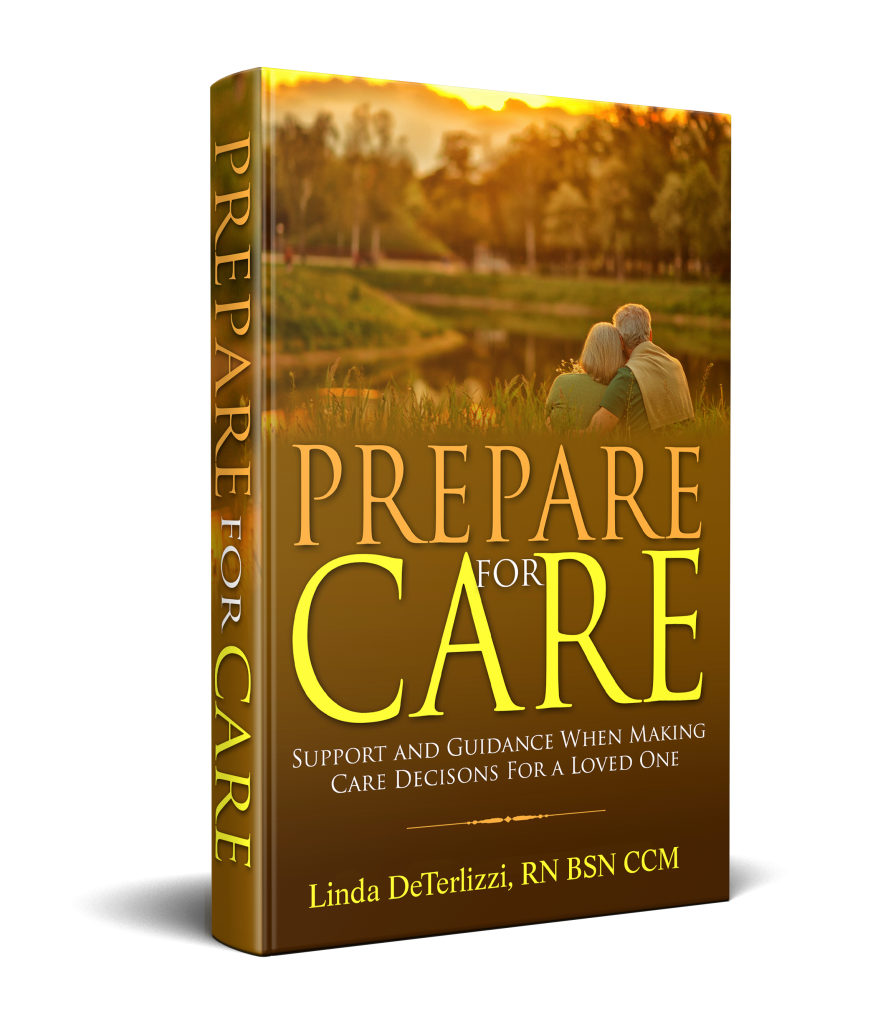
Get your personal guide today!




Connect with Linda