
Why Blood Health Matters More With Age
January is National Blood Donor Month, a time that highlights how vital healthy blood is to overall well-being. While blood donation often takes center stage, this awareness month is also an opportunity to talk about an often-overlooked topic: blood health in older adults.
For seniors, blood health plays a critical role in energy levels, balance, cognition, immune function, and heart health. Conditions like anemia or low blood counts can quietly develop, mimicking “normal aging” while increasing the risk of falls, confusion, and hospitalization.
Caregivers are often the first to notice subtle changes — fatigue, shortness of breath, pale skin, or confusion — that point to underlying blood health concerns. Understanding what to look for and when to act can make a significant difference in quality of life and safety.
What Does “Blood Health” Mean?
Blood health refers to the body’s ability to produce and maintain healthy levels of:
- Red blood cells, which carry oxygen
- White blood cells, which fight infection
- Platelets, which help with clotting
When any of these are out of balance, seniors may experience fatigue, weakness, dizziness, frequent illness, or delayed healing.
The most common blood-related issue in older adults is anemia, a condition in which the body does not have enough healthy red blood cells to deliver adequate oxygen to tissues.
Why Blood Health Changes With Age
As people age, several factors can impact blood production and function:
- Reduced nutrient absorption, especially iron, vitamin B12, and folate
- Chronic illnesses, such as kidney disease, heart disease, or cancer
- Medications, including blood thinners or chemotherapy drugs
- Inflammation, which interferes with red blood cell production
- Bone marrow changes, which reduce blood cell formation
- Undiagnosed bleeding, often from the gastrointestinal tract
Because these changes happen gradually, blood-related conditions often go unnoticed until symptoms become more serious.
Understanding Anemia in Older Adults
Anemia affects millions of older adults, yet it is frequently underdiagnosed.
Common types of anemia in seniors include:
1. Iron-Deficiency Anemia
Caused by low iron levels, often due to poor absorption or slow internal bleeding.
2. Vitamin B12 or Folate Deficiency
Often related to reduced absorption or long-term medication use.
3. Anemia of Chronic Disease
Associated with long-standing illnesses like kidney disease, diabetes, or inflammatory conditions.
4. Anemia Related to Bone Marrow Disorders
Less common but more serious, requiring specialist care.
Symptoms Caregivers Should Watch For
Anemia and blood-related issues often develop quietly. Caregivers are uniquely positioned to notice changes early.
Common warning signs include:
- Ongoing fatigue or weakness
- Shortness of breath with mild activity
- Pale or yellowish skin
- Dizziness or lightheadedness
- Cold hands or feet
- Headaches
- Rapid heartbeat
- Chest discomfort
- Poor concentration or confusion
- Increased falls
- Reduced appetite
- Feeling “just not themselves”
In seniors with dementia, anemia may appear as increased confusion, agitation, or withdrawal.
How Poor Blood Health Affects Daily Life
Blood health impacts nearly every body system. When oxygen delivery is reduced, seniors may struggle with:
- Mobility: Weakness increases fall risk
- Cognition: Low oxygen worsens memory and focus
- Heart health: The heart works harder to compensate
- Immunity: Infections become more frequent or severe
- Healing: Wounds heal more slowly
- Independence: Fatigue limits daily activities
These effects can cascade quickly, especially during winter months when seniors are less active.
Why Blood Health Matters in Winter
Winter presents additional challenges for blood health:
- Less sunlight may reduce vitamin D levels
- Appetite changes can lead to nutrient deficiencies
- Illness and infection increase inflammation
- Reduced mobility worsens weakness and fatigue
- Cold temperatures strain the cardiovascular system
January is an ideal time for caregivers to reassess blood health, especially if a loved one seems more tired or unsteady after the holidays.
How Blood Health Is Evaluated
Blood health is typically assessed through routine blood tests, including:
- Complete Blood Count (CBC)
- Iron studies
- Vitamin B12 and folate levels
- Kidney function tests
Caregivers should ask providers:
- Are blood levels within normal range for age?
- Have values changed since last year?
- Are symptoms related to blood health?
- Is follow-up testing needed?
Early detection prevents complications.
Nutrition Tips to Support Blood Health
Nutrition plays a powerful role in maintaining healthy blood levels.
Key nutrients include:
Iron
Found in lean meats, beans, fortified cereals, and spinach.
Vitamin B12
Found in eggs, dairy, fish, and fortified foods.
Folate
Found in leafy greens, citrus fruits, and legumes.
Protein
Supports blood cell production and energy.
Vitamin C
Helps iron absorption.
Warm winter meals like soups, stews, and fortified oatmeal can support nutrition while being easy to digest.
Medication Considerations
Some medications affect blood health, including:
- Blood thinners
- NSAIDs
- Chemotherapy drugs
- Certain antibiotics
- Acid-reducing medications
Caregivers should report:
- New bruising
- Nosebleeds
- Blood in stool
- Increased fatigue after medication changes
Medication reviews are especially important after hospitalizations or during winter illness.
When to Contact a Healthcare Provider
Caregivers should seek medical evaluation if a senior experiences:
- Sudden weakness
- Shortness of breath
- Chest pain
- New confusion
- Frequent falls
- Persistent fatigue
- Noticeable color changes in skin or lips
Prompt care can prevent emergency visits.
Supporting Seniors Emotionally
Blood health issues can affect mood and motivation. Seniors may feel frustrated by fatigue or embarrassed by limitations.
Caregivers can help by:
- Encouraging rest without guilt
- Adjusting expectations
- Celebrating small victories
- Offering reassurance
- Maintaining routines
Compassion and patience matter just as much as treatment.
The Caregiver’s Role in Advocacy
Caregivers often bridge the gap between symptoms and diagnosis.
Helpful actions include:
- Tracking symptoms
- Attending appointments
- Asking questions
- Requesting follow-up labs
- Advocating for referrals when needed
Your observations can guide better care decisions.
How LMD Care Consulting Can Help
LMD Care Consulting can support families by:
-
- Assisting with the coordination of medical care
- Reviewing labs and medication
- Identifying red flags especially with functional changes
- Supporting nutrition planning
- Advocating during appointments
- Reducing caregiver stress
Professional guidance ensures nothing is overlooked.
Conclusion: Blood Health Is Foundational Health
Healthy blood supports strength, clarity, and independence. For older adults, even mild blood-related issues can have serious consequences if left untreated.
By understanding blood health in older adults, caregivers can identify concerns early, support better outcomes, and protect their loved one’s quality of life — especially during the winter months.
Awareness leads to action. Action leads to safety.
Share This Story, Choose Your Platform!
Meet the Author

Purchase my “Prepare for Care” Guide
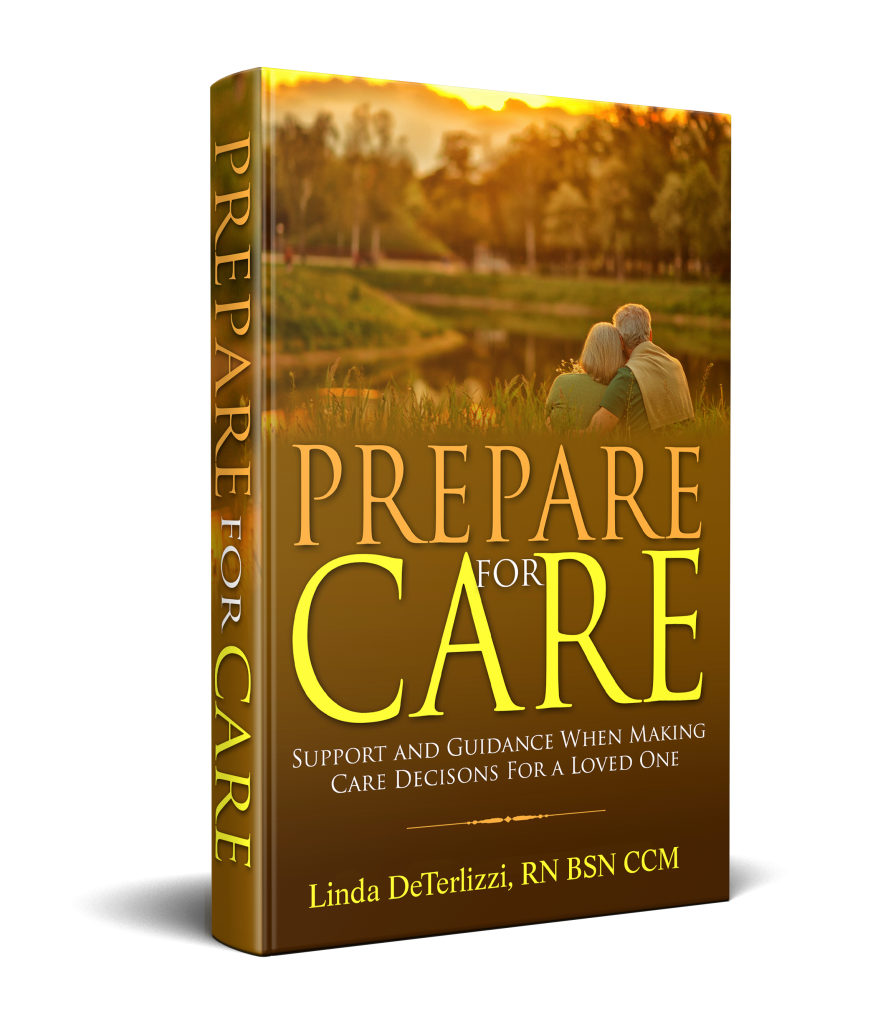
Get your personal guide today!




Connect with Linda