
The Science of Gratitude: How Thankfulness Supports Caregiver Resilience
Caregiving often comes from a place of deep love, but it can be one of the most emotionally demanding roles a person takes on. Between appointments, medications, and managing the unpredictable needs of a loved one, it’s easy to become overwhelmed. Yet even within those challenges, one simple practice can transform the way caregivers cope and connect—gratitude.
Gratitude isn’t about ignoring hardship. It’s about shifting perspective—choosing to notice what’s still good and meaningful, even on difficult days. For caregivers, cultivating gratitude doesn’t just improve mood; it supports emotional resilience, reduces stress, and even strengthens relationships with the person receiving care.
The Science Behind Gratitude and Well-Being
Researchers have studied gratitude for decades, finding that it offers measurable benefits for both mental and physical health. Studies show that people who regularly practice gratitude experience:
- Lower levels of depression and anxiety
- Improved sleep and immune function
- Higher self-esteem and optimism
- Stronger social connections and empathy
For caregivers, these benefits are especially meaningful. Chronic stress can cause “caregiver burnout,” leading to fatigue, irritability, and emotional withdrawal. Gratitude helps rewire the brain’s stress response—shifting focus from what’s lacking or overwhelming to what’s meaningful and fulfilling.
One key finding from positive psychology research is that the brain can’t easily hold gratitude and fear at the same time. When you consciously express gratitude, your brain releases dopamine and serotonin—neurotransmitters associated with happiness and calm. Over time, this repeated practice builds mental resilience, helping caregivers recover more quickly from emotional strain.
How Gratitude Strengthens Emotional Resilience
Emotional resilience is the ability to adapt and recover from stress, loss, and adversity. For caregivers, it means finding balance even on the hardest days—when sleep is short, tempers are tested, and patience feels thin.
Gratitude supports this balance in several ways:
- It reframes perspective. When you focus on gratitude, you begin to see meaning in your daily efforts. Small moments—a shared smile, a successful appointment, or simply getting through the day—gain importance.
- It reduces stress hormones. Studies show gratitude lowers cortisol, helping the body recover faster from stress.
- It encourages self-compassion. Caregivers often focus on others’ needs first. Gratitude helps them recognize their own strengths and progress.
- It builds social connection. Expressing gratitude to others strengthens relationships and creates a supportive care network.
In essence, gratitude gives caregivers permission to appreciate themselves and the journey they’re on—not because it’s easy, but because it’s meaningful.
Practical Gratitude Practices for Caregivers
You don’t need hours of free time or a perfect routine to practice gratitude. Even brief moments of reflection can create a noticeable shift. Try integrating one or more of these ideas into your daily or weekly rhythm:
1. Keep a Gratitude Journal
Each night, write down three things you’re grateful for. They can be big or small: a good meal, a kind nurse, or a moment of laughter with your loved one. Over time, this practice reshapes the way you perceive your day—helping you see progress, not just pressure.
2. Use Visual Reminders
Post sticky notes with simple prompts like “What went well today?” or “One thing I’m thankful for right now.” Seeing these reminders encourages mindful reflection throughout your day.
3. Practice Gratitude in Conversations
Thank the people who make your role easier—nurses, friends, or neighbors who check in. Expressing gratitude aloud not only strengthens your relationships but also reinforces positive emotion within yourself.
4. Create a Gratitude Ritual with Your Loved One
Even if communication is limited, sharing gratitude together builds emotional connection. Try saying one thing you’re grateful for each morning or before bed—it can be as simple as “I’m glad we have this time together.”
5. Reflect Before Sleep
Before drifting off, think of one thing that made you smile that day. This simple act helps your mind rest in peace, not pressure.
Gratitude in the Face of Caregiver Guilt
Many caregivers struggle with guilt—feeling they should do more, be more patient, or somehow prevent every setback. Gratitude helps ease that guilt by replacing self-criticism with grace.
Instead of focusing on what didn’t go as planned, gratitude reminds caregivers of what they did accomplish:
- “I showed up today.”
- “I listened with patience.”
- “I kept my loved one safe.”
Acknowledging these truths builds confidence and calm. It’s not about pretending everything is perfect—it’s about recognizing your effort and intention as meaningful, even when the outcome isn’t.
Gratitude also softens the edges of perfectionism. It teaches that care isn’t measured only by outcomes, but by presence, consistency, and love.
How Gratitude Improves Relationships
Caregiving can strain relationships—especially when fatigue, grief, or frustration accumulate. Gratitude acts like a bridge, helping caregivers and care recipients feel seen and valued.
When caregivers express appreciation, even in small ways (“I love when you smile like that” or “Thank you for trusting me”), it restores dignity and mutual respect. Likewise, when others express gratitude to caregivers, it reminds them their work matters—that they’re not invisible.
Encouraging family members and friends to share gratitude can create a ripple effect, strengthening the care team. Gratitude conversations can also ease tension and foster better communication.
Using Gratitude to Manage Caregiver Stress
On overwhelming days, gratitude can feel far away. But that’s often when it’s needed most. During stress, the human mind narrows focus toward problems and fears. Gratitude widens perspective, helping you see what’s still within your control.
Try this grounding exercise when stress peaks:
- Pause and take a deep breath.
- Name one thing in your environment you’re thankful for (sunlight, warmth, music).
- Name one thing about yourself you’re grateful for (patience, persistence, compassion).
- Name one person you appreciate, whether they’re present or far away.
This simple mental reset lowers your body’s stress response and brings you back to the present moment.
Teaching Gratitude to the Next Generation
Many caregivers are part of what’s known as the “sandwich generation”—caring for aging parents while raising children. Practicing gratitude openly models resilience and empathy for younger family members.
Invite children or grandchildren to share gratitude at dinner or bedtime. Ask, “What’s one good thing that happened today?” or “Who helped you today?” These small rituals strengthen family bonds and teach emotional balance from an early age.
When Gratitude Feels Difficult
Some days are just hard. Gratitude shouldn’t become another “to-do” item or source of guilt. It’s okay to acknowledge exhaustion or sadness. On those days, try gentle self-talk:
- “Today was tough, but I made it through.”
- “I’m grateful I’m learning to ask for help.”
- “I’m thankful for tomorrow’s chance to reset.”
Gratitude doesn’t erase pain—it helps you hold it alongside hope.
Building a Gratitude Mindset
Over time, practicing gratitude transforms from a conscious habit into a natural way of seeing the world. Caregivers begin to notice moments of connection, humor, and meaning that might otherwise pass unnoticed.
Here’s how to sustain the mindset:
- Pair gratitude with breathing or stretching breaks.
- Share gratitude regularly in caregiver support groups.
- Use digital reminders or apps to record daily reflections.
- End your day by reviewing small victories, not unfinished tasks.
This daily retraining of thought builds emotional endurance—the kind that keeps caregivers steady through the long road of care.
Conclusion: Gratitude as a Gentle Anchor
Caregiving may test your limits, but gratitude helps you rediscover your center. It reminds you that while you can’t control every outcome, you can choose how you meet each moment.
In the quiet pauses between tasks, gratitude whispers: You’re doing enough. You are enough.
Practicing gratitude doesn’t require perfection—only presence. It’s a gift you give to yourself and those you care for, turning even ordinary days into moments of grace.
Share This Story, Choose Your Platform!
Meet the Author

Purchase my “Prepare for Care” Guide
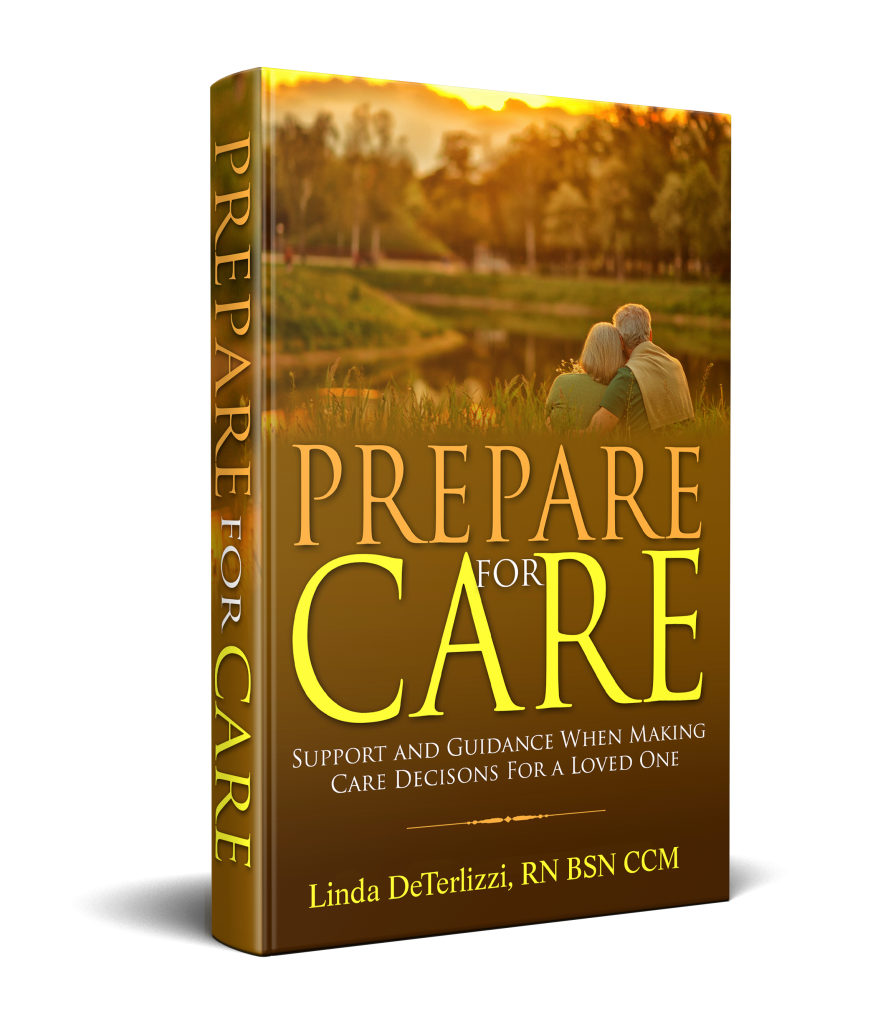
Get your personal guide today!




Connect with Linda