
Family caregiving is one of the most rewarding responsibilities—but also one of the most demanding. While caring for a loved one can deepen bonds and provide purpose, it also places a heavy physical and emotional burden on the caregiver. Without intentional breaks, stress builds, exhaustion sets in, and burnout becomes a real risk.
This guide on self-care breaks for family caregivers tips strategies explores why breaks are essential, what types of rest are most effective, and how caregivers can overcome guilt to prioritize their own health. By taking time to recharge, caregivers sustain their ability to provide compassionate, long-term care.
Why Self-Care Breaks Matter
Many caregivers feel pressure to put loved ones first at all times. But research shows that ignoring your own needs can backfire:
- Increased stress and anxiety
- Weakened immune system
- Greater risk of depression
- Decline in caregiving quality
 Fact: The Mayo Clinic stresses that caregiver self-care is essential for physical and mental health. Caring for yourself ultimately means better care for the person who depends on you.
Types of Self-Care Breaks
Not all breaks look the same. Choosing the right type depends on your situation, support system, and personal needs.
Short Daily Breaks
These are small moments woven into everyday routines:
- A 10-minute walk around the block
- Listening to music or a podcast while cooking
- Enjoying a cup of tea without multitasking
Longer Respites
Sometimes, deeper rest requires extended time away:
- A weekend trip with friends or family
- Using adult day care services
- Hiring a respite caregiver for a few hours or days
Both short and long breaks recharge energy, but combining them ensures ongoing resilience.
Practical Strategies for Taking Self-Care Breaks
1. Schedule Time
- Treat self-care like an appointment you can’t miss.
- Use calendars, alarms, or caregiver apps to set reminders.
2. Accept Help
- Allow friends, family, or community organizations to assist.
- Delegating tasks—like grocery shopping or transportation—creates space for rest.
3. Rediscover Hobbies
- Reading, gardening, or light exercise reconnects caregivers with their own identity.
- Even 15 minutes of personal enjoyment reduces stress.
4. Practice Mindfulness
- Deep breathing, meditation, or journaling helps release tension.
- Guided apps make mindfulness easy to integrate into busy days.
5. Join Support Groups
- Talking with others who understand the journey provides validation.
- Online and in-person groups offer both emotional support and practical advice.
Overcoming Caregiver Guilt
One of the biggest barriers to self-care is guilt. Many caregivers feel they are neglecting loved ones by taking time for themselves.
Reframe the mindset:
- Resting doesn’t mean abandoning responsibility—it strengthens it.
- Prioritizing your health ensures your loved one receives steady, reliable care.
- Caregiving is a marathon, not a sprint. Breaks are part of pacing yourself.
Tip: Write down how you feel after even a short break. Seeing the improvement in mood and energy reinforces why it matters.
Long-Term Benefits of Self-Care Breaks
When caregivers prioritize their well-being, everyone wins. Benefits include:
- Better patience and emotional stability
- Lower risk of burnout and illness
- Improved caregiving quality and consistency
- Sustainable long-term support for loved ones
Conclusion
Family caregivers often give their all—but without breaks, their energy and health quickly drain. Self-care is not selfish; it is a necessary part of caregiving. By scheduling daily pauses, embracing longer respites, practicing mindfulness, and accepting help, caregivers protect both themselves and the loved ones who depend on them.
Take a break today—your future self, and your family, will thank you.
Share This Story, Choose Your Platform!
Meet the Author

Purchase my “Prepare for Care” Guide
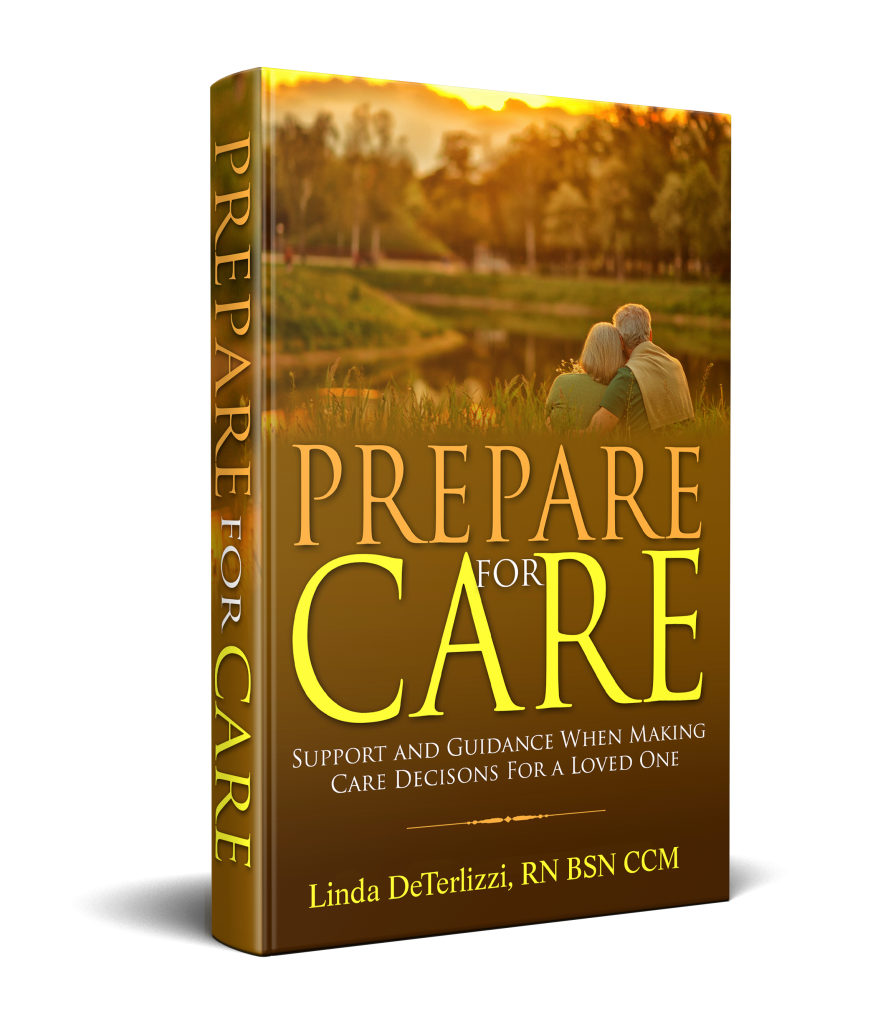
Get your personal guide today!




Connect with Linda