
February is often associated with love, connection, and togetherness. Valentine’s cards line store shelves, social media fills with heart-themed posts, and conversations center around relationships. But for many older adults, February highlights something very different — absence.
Short days, cold weather, canceled plans, and limited mobility can quietly amplify emotional struggles. For seniors, this time of year can deepen both loneliness and isolation, two experiences that are often used interchangeably but are not the same — and not equally visible.
Understanding the difference matters. One is emotional. One is situational. Both carry serious health consequences if left unaddressed.
Loneliness vs. Isolation: What’s the Difference?
Although closely connected, loneliness and isolation are not identical.
Isolation
Isolation is objective. It refers to limited social contact or interaction.
Examples include:
- Living alone
- Rarely leaving the house
- Limited transportation
- Few visitors or phone calls
A person can be isolated without feeling lonely — and vice versa.
Loneliness
Loneliness is subjective. It is the emotional distress that comes from feeling disconnected, unseen, or unsupported — even when people are technically “around.”
A senior can:
- Live with family and still feel lonely
- Have visitors but feel unheard
- Be socially active yet emotionally disconnected
This distinction is critical because loneliness is a health risk, not just a feeling.
Why February Hits Older Adults Hardest
Winter challenges don’t arrive overnight — they build slowly. By February, many seniors have been coping with months of limitations.
1. Seasonal Restrictions Compound Over Time
- Reduced daylight affects mood and sleep
- Cold weather limits outings and exercise
- Fear of falls discourages leaving the house
- Snow and ice disrupt transportation and routines
What starts as inconvenience becomes withdrawal.
2. Valentine’s Day Can Highlight Loss
For seniors who have experienced:
- The death of a spouse
- Divorce later in life
- Adult children living far away
February can feel like a reminder of what’s missing. Even those who don’t openly express sadness may experience grief resurfacing.
3. Declining Health Increases Isolation
Winter illnesses, pain flare-ups, and fatigue often worsen this time of year. As health declines, so does confidence — and with it, willingness to socialize.
This creates a cycle:
- Less activity → less contact
- Less contact → lower mood
- Lower mood → further withdrawal
The Health Risks of Loneliness in Older Adults
Loneliness isn’t just emotional — it has documented physical effects.
Research consistently links chronic loneliness to:
- Increased risk of heart disease and stroke
- Higher rates of depression and anxiety
- Cognitive decline and dementia progression
- Weakened immune function
- Increased fall risk
- Higher mortality rates
Some studies equate the health impact of loneliness to smoking or obesity.
For care managers and families, this means loneliness should be treated as a clinical risk factor, not a soft concern.
Warning Signs Families Often Miss
Loneliness and isolation rarely present as “I feel lonely.” Instead, families may notice subtle changes.
Behavioral Signs
- Canceling appointments or social plans
- Loss of interest in hobbies
- Increased TV time or sleeping
- Reluctance to answer calls
Emotional Signs
- Irritability or withdrawal
- Increased worry or fearfulness
- Tearfulness or flat affect
- Expressions of being a burden
Physical & Cognitive Signs
- Appetite changes
- Decline in personal care
- Increased confusion
- More frequent complaints of pain
These signs often get attributed to “normal aging” — but they may be signals of deeper emotional distress.
Why Loneliness Often Goes Unaddressed
Families don’t ignore loneliness on purpose. There are real barriers.
- Seniors may minimize their feelings to avoid worrying loved ones
- Families may assume someone else is “checking in”
- Adult children may live far away and rely on surface-level updates
- Loneliness doesn’t show up on lab work or scans
Without intentional assessment, it remains invisible.
How Families Can Support Emotional Connection — Not Just Contact
More phone calls don’t automatically solve loneliness. Connection matters more than frequency.
1. Focus on Quality, Not Quantity
Ask open-ended questions:
- “What has been hardest lately?”
- “What do you miss most right now?”
- “What feels different this winter?”
Listen without immediately fixing.
2. Encourage Purpose
Feeling needed reduces loneliness.
- Small responsibilities
- Sharing family stories
- Helping with decisions
- Being asked for advice
Purpose reinforces identity.
3. Watch for Functional Barriers
Sometimes isolation isn’t emotional — it’s logistical.
- Transportation
- Vision or hearing loss
- Mobility challenges
- Fear of falling
Addressing these barriers can restore connection quickly.
4. Consider Professional Support
Care management can:
- Assist with identifying emotional and social risk
- Assist with coordination of services and support
- Identify early decline
- Provide neutral mediation when families are unsure how to help
Why Addressing Loneliness Early Matters
Left unaddressed, loneliness increases the likelihood of:
- Emergency room visits
- Hospitalizations
- Accelerated cognitive decline
- Family crises during acute illness
Addressing it before spring allows families to stabilize care, rebuild routines, and prevent avoidable setbacks.
A Final Thought for February
Loneliness isn’t always loud.
Isolation isn’t always obvious.
But both deserve attention — especially during a season that quietly magnifies loss.
February doesn’t have to be a breaking point. With awareness, compassion, and proactive support, it can become a turning point.
Share This Story, Choose Your Platform!
Meet the Author

Purchase my “Prepare for Care” Guide
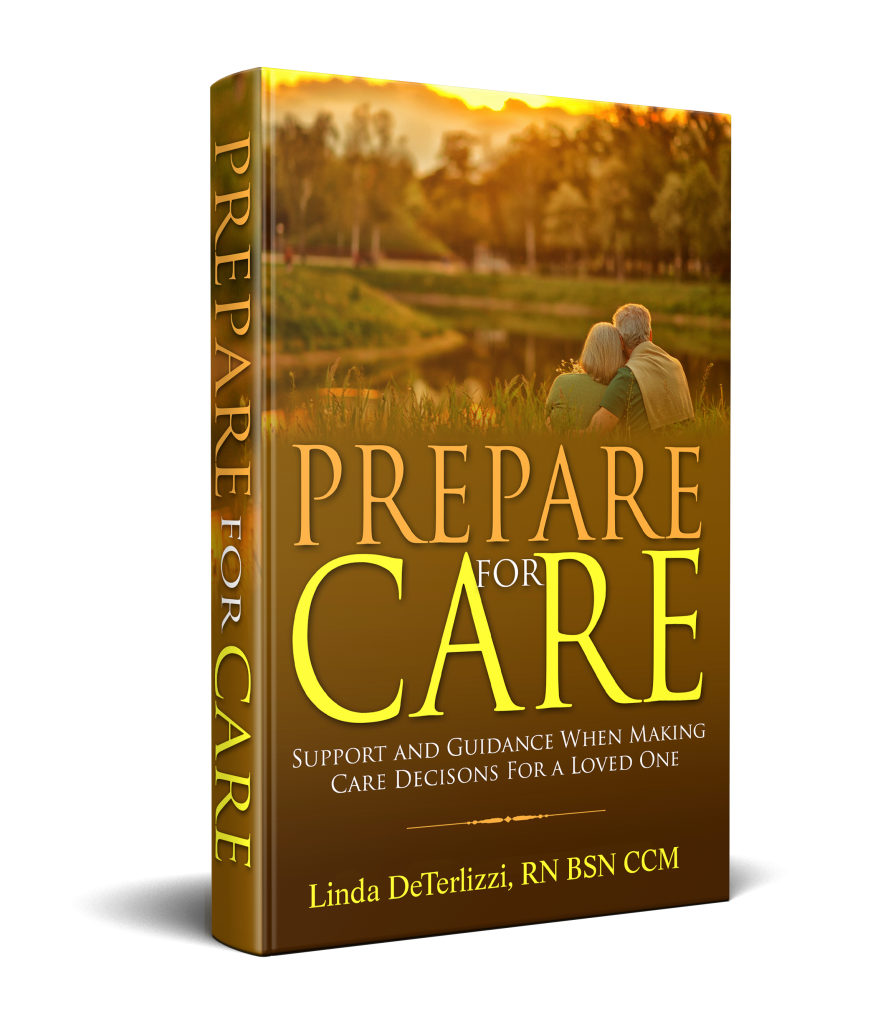
Get your personal guide today!




Connect with Linda