
Emergencies are unpredictable—but your response doesn’t have to be.
When a loved one is rushed to the hospital or emergency room, emotions run high, decisions must be made quickly, and clear communication is critical. Having a hospital readiness plan in place can reduce stress, improve outcomes, and ensure your loved one receives the best possible care.
In this comprehensive guide, LMD Care Consulting outlines everything families and caregivers need to know about emergency room preparedness, from what to bring, how to communicate with providers, and how to stay organized in the chaos.
Why Emergency Room Preparedness Matters
Emergency visits can be overwhelming, especially for older adults, individuals with chronic illnesses, or those who require daily care assistance. In many cases, the person being admitted is unable to clearly communicate their needs, medications, or medical history—leaving loved ones scrambling for answers.
A hospital readiness plan helps you:
- Provide accurate medical information quickly
- Avoid unnecessary delays or tests
- Ensure care preferences are honored
- Reduce emotional stress in high-pressure moments
Having a plan in place shows healthcare providers that someone is advocating for the patient, which can result in more attentive and personalized care.
What Should a Hospital Readiness Plan Include?
A comprehensive hospital or emergency room plan should contain the following elements:
1. Medical History Summary
Include the following in a printed, easy-to-read format:
- Chronic conditions
- Surgeries or major procedures
- Allergies (especially medication-related)
- Current medications (including dosages and times)
- Primary care provider and specialist contact information
2. Medication List
Update this list regularly and include:
- Prescription medications
- Over-the-counter supplements or vitamins
- Any medications to avoid
Tip: Include copies of prescriptions and pharmacy contact information when possible.
3. Insurance and Identification
Pack photocopies of:
- Insurance card(s)
- Photo ID
- Medicare/Medicaid cards
- Advance directives and healthcare proxies
4. Emergency Contact Information
List multiple contacts, including:
- Next of kin
- Healthcare power of attorney
- Out-of-town relatives (in case primary contacts are unavailable)
5. Personal Preferences
Include a brief care preference summary:
- Religious or cultural considerations
- Language preferences
- Preferred hospital (if applicable)
- DNR (Do Not Resuscitate) orders or other end-of-life documents
6. Comfort Items
Though not medically necessary, these can make a big difference:
- Phone charger
- Glasses or hearing aids
- Comfortable clothing or socks
- Notebook and pen
What to Keep in a “Go Bag” for Hospital Visits
Having a designated “go bag” stored in a convenient location (home, car, or with a caregiver) can make all the difference in an emergency. Your go bag should include:
- Medical summary and medication list
- Copies of ID and insurance cards
- Toiletries (toothbrush, wipes, lip balm)
- Extra clothes and undergarments
- Copies of legal healthcare documents
- Spare phone charger
- List of current providers and appointments
Consider laminating important documents or storing them in a waterproof pouch for quick access.
How to Communicate With Medical Staff
Being a strong advocate during an emergency is just as important as having documents in hand. Here’s how caregivers and family members can effectively work with emergency medical teams:
Be Clear and Concise
- Use the medical summary sheet to explain the patient’s condition
- Stick to facts and avoid emotional overload in the moment
Ask Questions
- What tests are being done?
- What medications are being administered?
- Are there side effects or interactions to watch for?
Know Your Rights
As a caregiver, you may have the legal right to:
- Access health information (HIPAA release required)
- Make decisions if you are the healthcare proxy
- Request a transfer to another facility if necessary
Keep Records
Use a notebook or your phone to record:
- Names of attending physicians and nurses
- Times medications or treatments were given
- Questions you want answered later
Special Considerations for Older Adults
For seniors, emergency room visits often result in additional complications—confusion, delirium, or risk of falls. Planning ahead can reduce these risks:
- Bring glasses, hearing aids, dentures, and mobility aids
- Clearly label personal belongings
- Share history of dementia or cognitive concerns
- Note baseline behavior and speech patterns to help identify sudden changes
After the Emergency: Next Steps
Once the emergency subsides, you may still face a range of decisions. Be prepared to:
- Review discharge instructions carefully
- Understand follow-up appointment requirements
- Clarify prescriptions or medication changes
- Consider short-term rehabilitation or in-home care support
- Debrief the experience—what went well and what needs improvement for next time
LMD Care Consulting often helps families coordinate transitions after emergency care. From connecting you to providers to guiding insurance questions, our role is to simplify these critical moments.
How LMD Care Consulting Can Help
At LMD Care Consulting, we work alongside families and patients to:
- Build personalized hospital readiness plans
- Organize and update care documentation
- Offer guidance for emergency and non-emergency care transitions
- Ensure patients and families feel informed and confident
Our experience in navigating hospital systems and care coordination makes us a trusted partner in challenging moments.
Final Thoughts
Emergencies can strike at any moment, but the level of chaos and confusion that follows doesn’t have to. With a well-prepared hospital readiness plan, caregivers can focus on what matters most—supporting their loved one’s health, comfort, and dignity.
If you or someone you love would benefit from a customized care plan or emergency preparation support, we are here to help.
Share This Story, Choose Your Platform!
Meet the Author

Purchase my “Prepare for Care” Guide
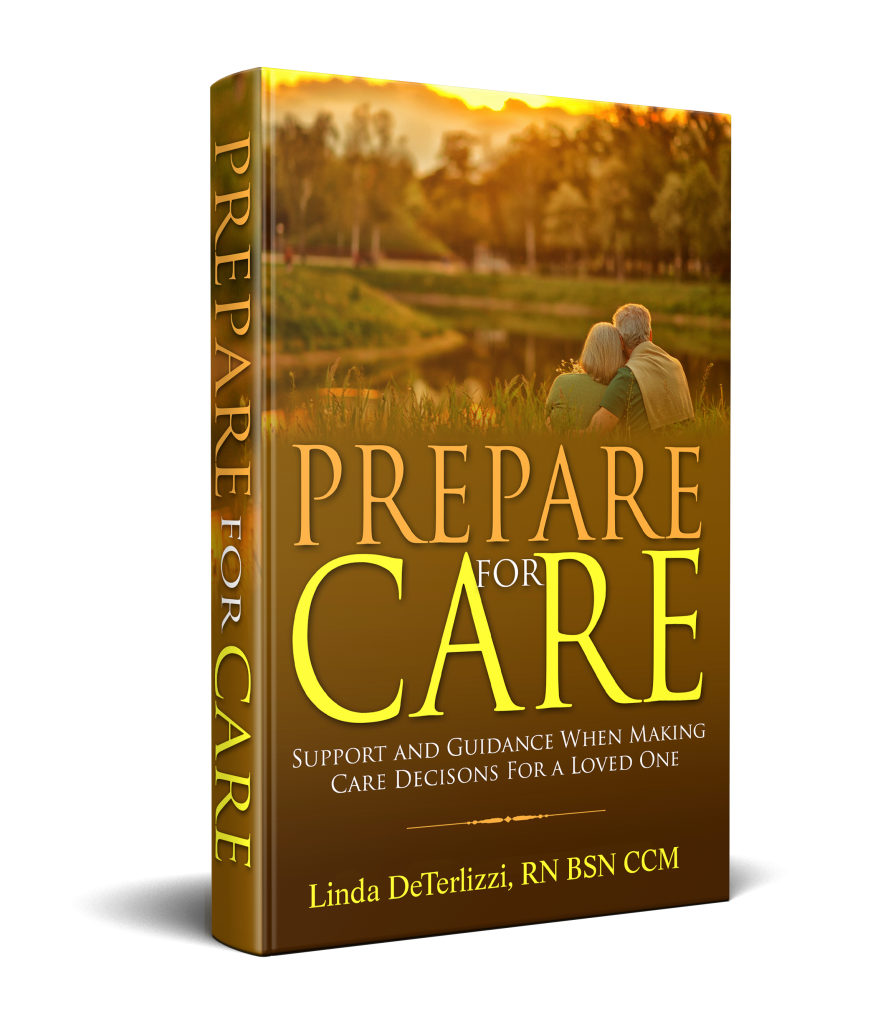
Get your personal guide today!




Connect with Linda