
Social connection is more than a luxury for older adults—it’s a lifeline. Studies consistently show that seniors who maintain strong social relationships live longer, experience fewer health complications, and report higher levels of happiness.
Yet, nearly one in four adults over age 65 is considered socially isolated. We work closely with families to recognize the risks of isolation and encourage connection at every stage of aging.
Why Social Connection Matters
Physical Health Benefits
- Lowers risk of heart disease, stroke, and dementia
- Boosts immune system and reduces inflammation
- Encourages physical activity and better nutrition
Mental and Emotional Health Benefits
- Decreases rates of depression and anxiety
- Supports cognitive health and memory
- Increases purpose, confidence, and daily engagement
Common Causes of Social Isolation in Seniors
- Loss of spouse or friends
- Mobility issues
- Hearing or vision decline
- No longer driving
- Living far from family
- Fear of falling or health anxiety
Signs of Social Isolation
Caregivers should look for:
- Withdrawal from activities
- Mood changes or irritability
- Poor sleep or eating habits
- Unexplained health decline
- Lack of interest in phone calls or visits
How to Promote Social Engagement
1. Encourage Regular Interaction
- Daily phone or video calls
- Visits from friends, family, or care managers
- Church or community events
2. Use Technology Wisely
- Teach how to use smartphones or tablets
- Join virtual senior centers or support groups
- Play online games with grandchildren
3. Rekindle Purpose
- Volunteer opportunities
- Hobbies like gardening, painting, or writing
- Pet companionship
4. Transportation Support
- Help arrange rides to events or services
- Explore senior ride programs or Lyft/Uber partnerships
Support for Isolated Seniors
Sometimes professional support is needed:
- Adult day programs offer structure and social interaction
- In-home companions provide company and conversation
- Care managers can help coordinate social activities and transportation
The Role of Care Managers in Preventing Isolation
We understand the emotional side of aging. We can help:
- Create social care plans
- Connect seniors to local resources
- Identify red flags of isolation early
- Collaborate with families for sustained support
Tips for Families
- Send mail, photos, or care packages
- Plan small outings or shared meals
- Encourage participation in faith or senior groups
- Be mindful of signs your loved one is withdrawing
When Isolation Affects Health
Prolonged isolation may require medical or mental health intervention. Depression, anxiety, and even cognitive decline can stem from loneliness. Don’t hesitate to involve a care team or therapist if needed.
Staying socially connected isn’t just about having fun—it’s a vital part of a senior’s health plan! Whether it’s a weekly call or a community event, the ripple effect of connection can change lives.
Let us help you create meaningful routines that keep your loved one not just safe—but joyful!
Share This Story, Choose Your Platform!
Meet the Author

Purchase my “Prepare for Care” Guide
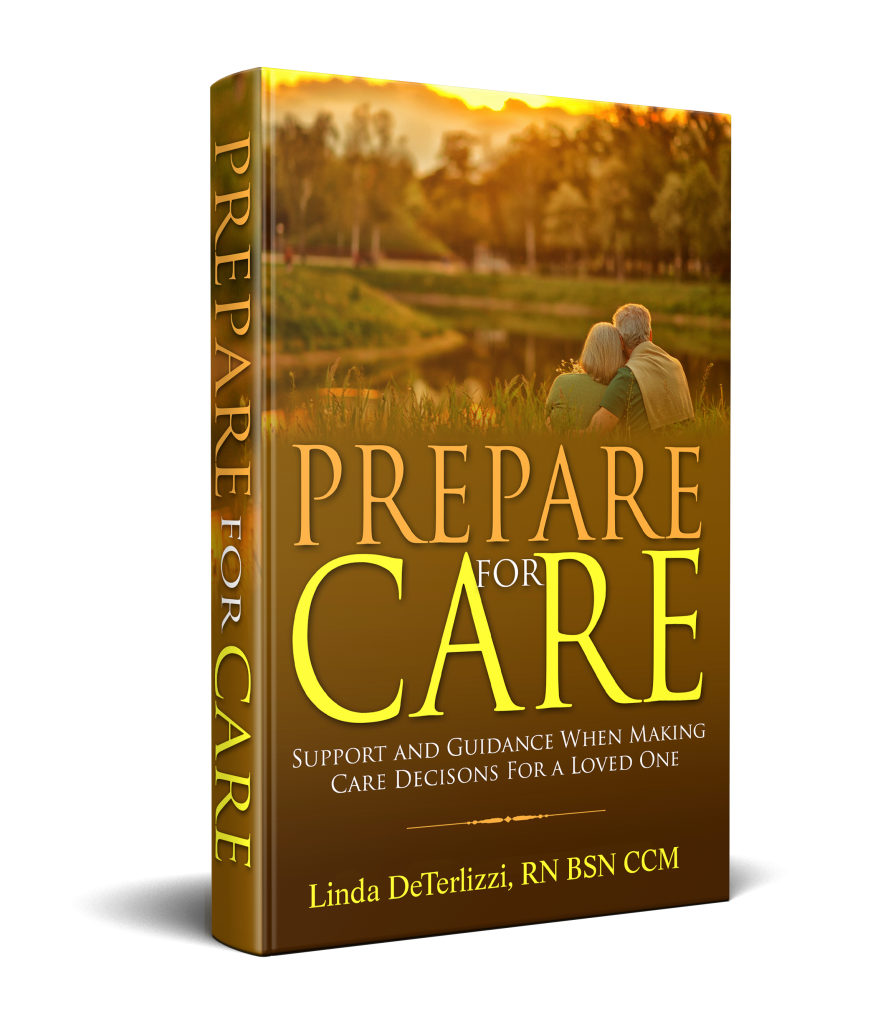
Get your personal guide today!




Connect with Linda