
When a loved one faces illness, aging, or a major health change, families often focus on medical care and emotional support. But one of the most important parts of caregiving happens quietly in the background — legal preparedness.
Having the right documents in place protects your loved one’s wishes, prevents confusion during emergencies, and gives everyone involved greater peace of mind. Unfortunately, many families wait until a crisis to act — when stress is high and decisions are harder to make.
This guide explains the essential legal documents every caregiver should know, why they matter, and how to start preparing today.
Why Legal Preparedness Matters
Caregiving brings countless decisions — medical, financial, and emotional. Without clear legal direction, even well-intentioned family members can disagree or feel uncertain about what’s best.
Legal preparedness creates structure and clarity. It ensures that your loved one’s voice is heard — even if they can’t speak for themselves.
Key Benefits of Legal Planning
- Clarity: Everyone understands your loved one’s wishes.
- Protection: Prevents disputes or confusion during emergencies.
- Access: Allows caregivers to legally handle finances, insurance, and care decisions.
- Peace of Mind: Reduces stress by having plans in place before they’re needed.
Fact: According to AARP, fewer than 40% of adults have advance directives or power of attorney documents completed — even though nearly all agree they’re important.
The Essential Legal Documents Every Family Should Have
Here are the key documents that form the foundation of legal preparedness for caregivers.
1. Power of Attorney (POA)
A Power of Attorney allows a trusted person (the “agent”) to make legal and financial decisions on behalf of another (the “principal”).
There are different types of POAs:
- Durable Power of Attorney: Remains in effect even if your loved one becomes incapacitated.
- General Power of Attorney: Covers broad financial and legal matters.
- Limited Power of Attorney: Authorizes specific actions (e.g., selling property).
For caregivers, the Durable Power of Attorney is most important. It ensures you can:
- Pay bills and manage accounts
- Access insurance or retirement information
- Handle property, investments, or taxes
Without it, you may need to seek court approval to handle these tasks — a process that can be stressful and costly.
2. Healthcare Proxy or Medical Power of Attorney
A Healthcare Proxy (also called a Medical Power of Attorney) designates someone to make medical decisions if your loved one is unable to.
This document is crucial when sudden health changes occur, such as after a stroke, fall, or hospitalization. It gives doctors and hospitals a clear point of contact and ensures treatment choices align with your loved one’s values.
 Tip: Choose someone who:
- Understands your loved one’s wishes
- Can stay calm during emergencies
- Is comfortable speaking with healthcare teams
Many families name the primary caregiver, but it’s important to discuss this role openly before signing any forms.
3. Living Will (Advance Directive)
A Living Will, also known as an Advance Directive, outlines your loved one’s preferences for medical care — especially in end-of-life situations.
It covers choices like:
- Use of ventilators or feeding tubes
- CPR and life-sustaining treatments
- Pain management and comfort measures
- Organ donation preferences
This document takes the guesswork out of emotional moments. It allows families and providers to follow the person’s own words rather than make assumptions.
 Example: A living will might specify, “If recovery is unlikely, I prefer comfort care only.” Having this in writing helps ensure those wishes are honored.
4. HIPAA Authorization Form
The Health Insurance Portability and Accountability Act (HIPAA) protects private medical information. While it’s essential for privacy, it can also limit what caregivers can access without permission.
A HIPAA Authorization allows designated individuals — such as family caregivers — to speak with doctors, access records, and receive test results.
Without this document, healthcare providers may not legally share important updates, even with close relatives.
Tip: Ask your loved one’s primary care provider or hospital for their HIPAA release form. Most offices have their own version ready to sign.
5. Will and Estate Plan
A Last Will and Testament ensures your loved one’s assets — such as savings, property, or personal items — are distributed according to their wishes.
It also names an executor, the person responsible for carrying out those directions.
If your loved one passes away without a will (“intestate”), the state decides how assets are divided. This can cause unnecessary delays, costs, and family tension.
An estate plan may also include:
- A trust to simplify transfers and avoid probate
- Beneficiary designations for bank accounts and insurance
- Letters of intent outlining final wishes, such as funeral preferences
6. Guardianship or Conservatorship (If Applicable)
In some cases — especially for individuals with dementia or severe cognitive decline — formal guardianship or conservatorship may be needed.
This court-approved role allows a caregiver to legally make medical and financial decisions when the person is unable to do so.
Because it involves legal proceedings, guardianship should be considered a last resort if no power of attorney is in place.
How to Start the Legal Preparedness Process
Legal planning may feel overwhelming, but breaking it into steps makes it manageable.
Step 1: Start the Conversation
Begin by talking openly with your loved one. Ask about their wishes, priorities, and concerns. Approach it gently — focus on care and respect, not control.
 Conversation starters:
- “I want to make sure your wishes are always honored.”
- “Would you like me to help organize your important paperwork?”
- “Who would you trust to make healthcare or financial decisions if you couldn’t?”
Step 2: Organize Documents
Create a secure but accessible place for key papers — either a binder or digital folder. Include:
- Current medical records
- Insurance cards and policy numbers
- Power of attorney forms
- Living will and healthcare proxy
- Contact list of professionals (doctor, lawyer, financial advisor)
Tip: Make at least two copies — one for you and one for a backup caregiver or legal contact.
Step 3: Seek Professional Guidance
Legal requirements vary by state. Consult with:
- Elder law attorneys (specialize in aging and caregiving)
- Financial advisors for estate planning
- Care managers (like LMD Care Consulting) who can help coordinate and simplify the process
An attorney can ensure documents are properly executed and meet your state’s laws.
Step 4: Review and Update Regularly
Life changes — and so should your documents. Review them at least once a year or after major events like:
- A change in diagnosis or condition
- Moving to a new state
- Marriage, divorce, or new family members
- Changes in finances or property
Keeping forms current prevents confusion later.
Common Mistakes Caregivers Should Avoid
Even well-prepared families can run into challenges. Avoid these common pitfalls:
- Waiting too long to start.
Planning after a health crisis limits options and increases stress. - Not including the loved one.
Legal planning should always respect their voice and independence. - Assuming access.
Without formal documents, even a spouse or adult child may not have legal authority. - Forgetting digital assets.
Include passwords, online accounts, and digital records in your planning. - Not sharing information.
Make sure all key players (caregivers, doctors, legal contacts) know who holds what roles.
Emotional Side of Legal Planning
It’s normal for families to feel uncomfortable talking about legal and end-of-life matters. These discussions can bring up fear, sadness, or guilt.
But reframing the conversation helps: Legal preparedness is a form of love.
It protects your loved one’s dignity and gives caregivers the tools to make thoughtful, confident decisions when it matters most.
Consider involving a care consultant, chaplain, or counselor if emotions become heavy. Having an objective third party can ease tension and keep focus on what truly matters — your loved one’s comfort and peace.
How LMD Care Consulting Can Help
Care Managers (like LMD Care Consulting) can help support and simplify the process.
We can help families:
- Understand which legal documents they need
- Coordinate support
- Create a personalized care roadmap that aligns with your loved one’s goals
We believe that preparation today leads to comfort tomorrow. Legal readiness is one of the strongest forms of protection you can offer.
Final Thoughts
Legal preparedness may not be the easiest part of caregiving, but it’s one of the most empowering. With clear documents, honest communication, and the right support, families can face the future with confidence and peace of mind.
Remember: these papers are more than forms — they’re the foundation of your loved one’s dignity, independence, and security.
If you’re unsure where to begin, LMD Care Consulting can help you take the first step. Together, we’ll make sure every decision — financial, medical, and emotional — honors the person you care for most.
 Legal preparedness is peace of mind in action
Share This Story, Choose Your Platform!
Meet the Author

Purchase my “Prepare for Care” Guide
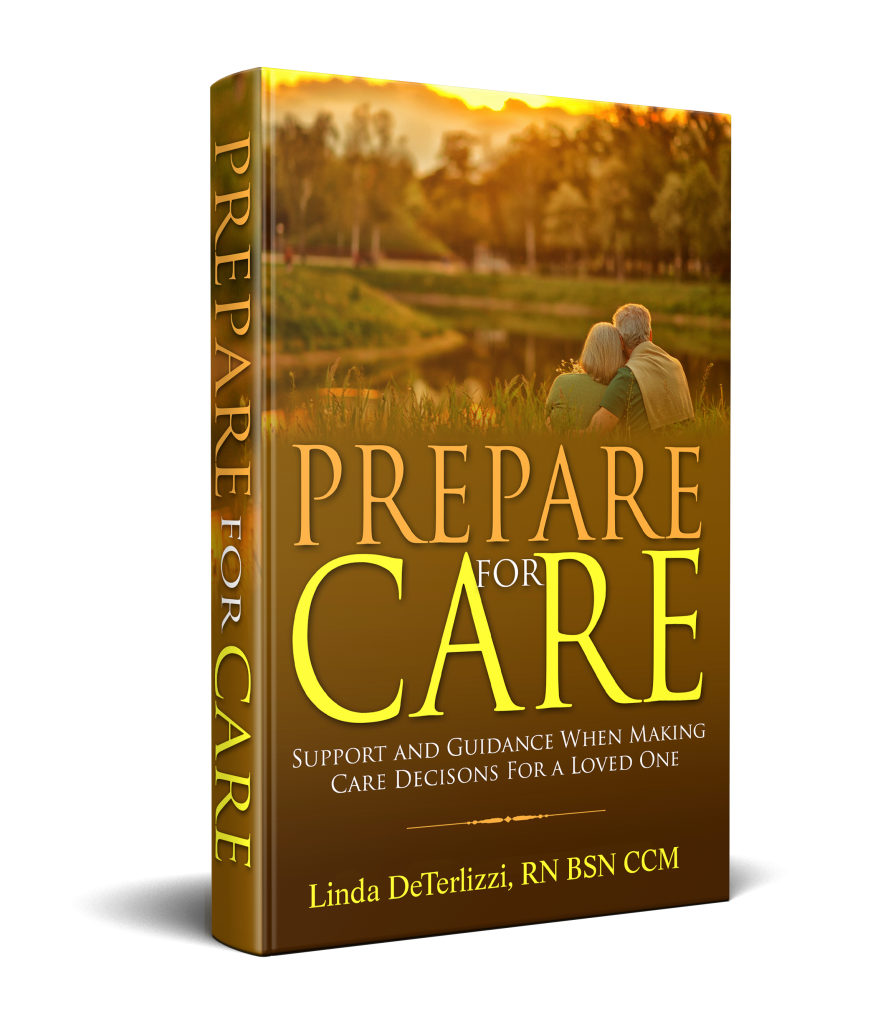
Get your personal guide today!




Connect with Linda