
Emotional resilience—the ability to adapt to stress and adversity—is vital in home care, where patients of all ages face challenges like illness, isolation, or dependency. Whether it’s a child coping with a chronic condition, an adult recovering from injury, or a senior managing age-related changes, building resilience fosters better mental health and faster recovery. This guide delves into “building emotional resilience in home care patients all ages tips,” offering strategies, exercises, and insights to empower caregivers and recipients. With a focus on practical, evidence-based approaches, we’ll help you create a supportive environment for emotional strength.
The Importance of Emotional Resilience in Care Settings
Resilience buffers against burnout, depression, and anxiety, common in prolonged care. Mayo Clinic emphasizes that resilient individuals recover quicker from setbacks, maintaining positivity. In home care, where routines are intimate, fostering this can improve relationships and outcomes. PositivePsychology.com notes that mindfulness, social connections, and optimism are key builders.
Age-Specific Approaches to Resilience
- Children and Teens: Use play-based activities to teach coping. Encourage journaling or art to express emotions.
- Adults: Focus on goal-setting and problem-solving amid work-life balance.
- Seniors: Address loss and isolation with reminiscence therapy.
Key Strategies for Building Resilience
- Practice Mindfulness and Stress Management: Daily meditation reduces anxiety. TCARE suggests mindfulness for caregivers, extensible to patients.
- Pray or Journal Your Prayers: Practicing your faith is important and helps!
- Build Support Networks: Connect with peers or groups. Mayo Clinic advises accepting help and focusing on achievable goals.
- Promote Healthy Lifestyles: Exercise, nutrition, and sleep strengthen resilience. APA highlights these factors.
- Set Boundaries and Positive Outlook: Practice gratitude to shift mindsets.
- Seek Professional Support: Therapy or counseling when needed.
Exercises and Daily Practices
Include deep breathing, positive affirmations, and reflective journaling. For example, a 10-minute daily gratitude list.
Overcoming Challenges
Address resistance with gradual introduction. Case Study: A family used peer support to boost a patient’s resilience, reducing stress.
Long-Term Benefits
Enhanced resilience leads to better health outcomes and independence.
Conclusion
Building emotional resilience in home care transforms challenges into growth. Implement these tips for lasting impact.
Share This Story, Choose Your Platform!
Meet the Author

Purchase my “Prepare for Care” Guide
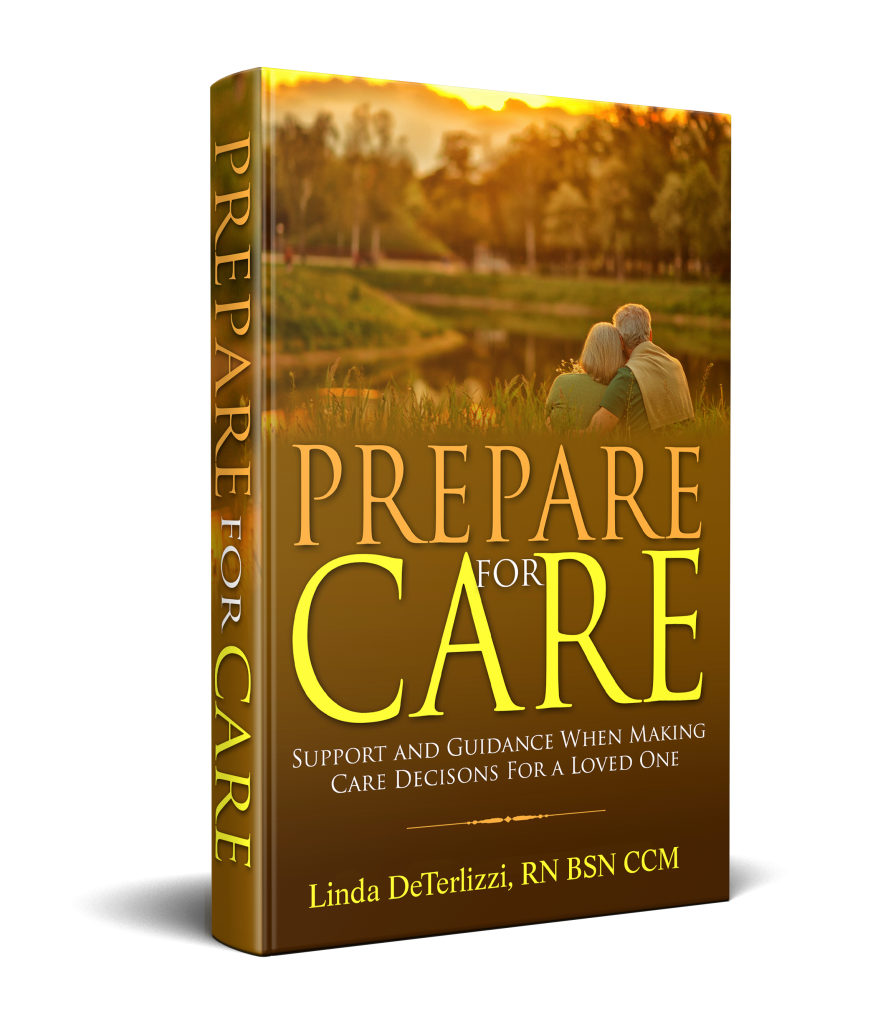
Get your personal guide today!




Connect with Linda