
Introduction: When Winter Feels Extra Quiet
For many older adults, winter can be a peaceful season — but for seniors who live alone, it can also be a time of increased risk and isolation. Shorter days, icy weather, and fewer social interactions can turn everyday tasks into challenges. After the holidays end and routines quiet down, caregivers often worry more about loved ones living independently.
Supporting seniors who live alone in winter means balancing safety with independence. With the right planning, communication, and connection, caregivers can help loved ones remain secure, confident, and emotionally supported throughout the colder months.
Why Winter Is Harder for Seniors Living Alone
Winter introduces unique challenges that disproportionately affect seniors who don’t have someone nearby.
Common winter risks include:
- Falls from ice or snow
- Delayed medical care due to bad weather
- Power outages or heating failures
- Reduced social interaction
- Missed meals or medications
- Dehydration
- Depression or loneliness
- Difficulty running errands
- Emergency response delays
Even seniors who manage well year-round may struggle when winter conditions add complexity.
1. Prioritize Home Safety Before Winter Peaks
Safety starts inside the home. A few proactive changes can prevent emergencies.
Key home safety steps:
- Ensure adequate lighting in all rooms
- Install nightlights in hallways and bathrooms
- Remove loose rugs and clutter
- Secure handrails on stairs
- Add grab bars in bathrooms
- Keep frequently used items within reach
- Test smoke and carbon monoxide detectors
- Ensure heating systems are serviced and safe
- Place non-slip mats at entryways
If mobility has changed, reassess furniture height and layout.
2. Prepare for Winter Weather and Emergencies
Seniors living alone should have a clear plan for storms and emergencies.
Emergency preparedness checklist:
- Backup heat source (used safely)
- Extra blankets and warm clothing
- Flashlights and batteries
- Charged cell phone or landline access
- Emergency contact list posted clearly
- Non-perishable food and bottled water
- Extra medications and medical supplies
- Snow removal plan (never DIY shoveling for frail seniors)
Caregivers should review this plan together and revisit it mid-winter.
3. Establish Reliable Daily Check-Ins
Daily connection is one of the most effective ways to protect seniors who live alone.
Check-in options include:
- Morning or evening phone calls
- Text messages
- Video calls
- Neighbor check-ins
- Automated check-in services
- Smart home devices with reminders
Consistency matters more than length. Even a brief “good morning” can confirm safety and provide emotional reassurance.
4. Support Medication and Nutrition Consistency
Winter weather can disrupt access to groceries and pharmacies.
Caregiver strategies:
- Set up automatic prescription refills
- Use pill organizers or blister packs
- Arrange grocery delivery or meal services
- Stock easy-to-prepare meals
- Monitor appetite changes
- Encourage hydration with warm drinks
Missed meals or medications can quickly lead to health declines.
5. Reduce Fall Risk Inside and Outside the Home
Falls are one of the biggest winter risks for seniors living alone.
Fall prevention tips:
- Encourage non-slip footwear
- Add traction mats near doors
- Ensure walkways are shoveled and salted
- Install handrails at entrances
- Recommend ice-grip shoe covers if outdoors
- Encourage slow, deliberate movement
If outdoor conditions are unsafe, help seniors plan alternatives to errands.
6. Address Winter Isolation and Loneliness
After the holidays, loneliness can intensify.
Signs of isolation include:
- Withdrawal from phone calls
- Loss of interest in hobbies
- Changes in sleep or appetite
- Increased anxiety or sadness
- Statements about feeling forgotten
Ways to foster connection:
- Schedule regular visits
- Encourage senior center or community programs
- Set up virtual gatherings
- Pair seniors with phone buddies
- Encourage hobbies that provide purpose
- Celebrate small milestones
Connection supports both mental and physical health.
7. Encourage Safe Transportation Alternatives
Driving conditions worsen in winter, and seniors may hesitate to ask for help.
Transportation solutions:
- Family driving schedules
- Community senior transportation programs
- Ride services with senior-friendly support
- Delivery services for groceries and medications
Removing transportation stress increases safety and independence.
8. Monitor Health Changes More Closely
Caregivers should stay alert for subtle changes that can signal problems.
Watch for:
- Increased confusion
- Weakness or unsteadiness
- Missed appointments
- Changes in mood
- Poor hygiene
- Reduced communication
- Frequent illness
Early intervention prevents crises.
9. Use Technology Thoughtfully
Technology can support independence when used simply.
Helpful tools include:
- Medical alert systems
- Fall detection devices
- Medication reminder apps
- Video calling devices with large screens
- Smart speakers for reminders
- Door sensors (for wandering risk)
Technology should enhance — not overwhelm — daily life.
10. Respect Independence While Offering Support
Many seniors living alone value independence deeply.
Caregivers can:
- Ask before helping
- Offer choices, not directives
- Frame help as support, not control
- Involve seniors in decisions
- Celebrate independence milestones
Respect builds trust and cooperation.
11. Create a Winter Wellness Routine
Structure provides stability during long winter days.
Encourage routines that include:
- Regular meals
- Gentle movement
- Hydration reminders
- Light exposure
- Social interaction
- Rest
Predictability reduces anxiety and supports health.
12. Know When Living Alone May No Longer Be Safe
Winter often reveals limitations that weren’t obvious before.
Red flags include:
- Repeated falls
- Missed medications
- Unsafe heating practices
- Increasing confusion
- Poor nutrition
- Isolation affecting mental health
- Refusal of help despite safety concerns
These signs may signal the need for additional support or a care plan update.
13. How LMD Care Consulting Can Help
LMD Care Consulting supports families by:
-
- Assisting with safety assessments
- Creating winter emergency plans
- Assisting with the coordination of in-home support
- Monitoring changes in function
- Supporting caregiver communication
Professional guidance brings peace of mind — especially in winter.
Conclusion: Winter Support Makes Independence Possible
Living alone doesn’t mean living unsupported. With thoughtful planning, regular connection, and proactive safety measures, seniors who live alone in winter can remain safe, independent, and emotionally connected.
Caregivers play a vital role in making that possible — not by taking over, but by standing close enough to help when needed.
Share This Story, Choose Your Platform!
Meet the Author

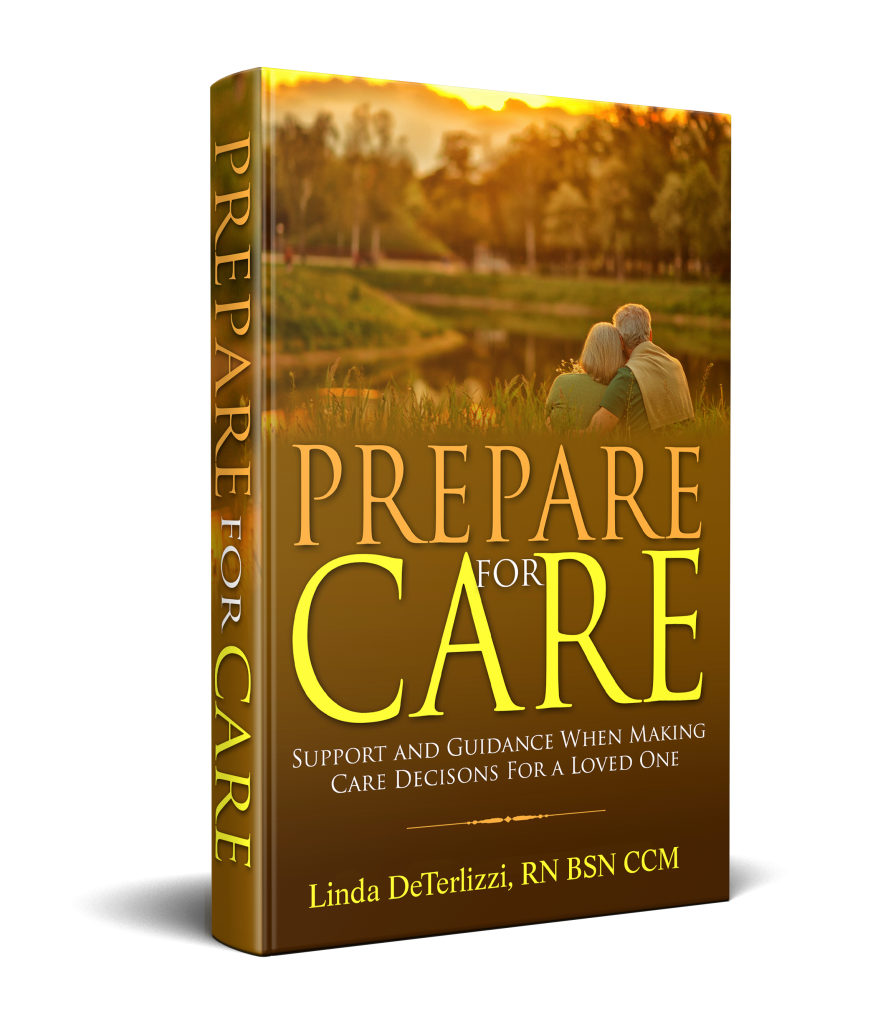
Purchase my “Prepare for Care” Guide
Get your personal guide today!



Connect with Linda