
Introduction: The Hidden Heroes Behind Our Heroes
Every November, we pause to honor the men and women who have served our country. But behind many of these veterans stands another quiet force — the caregivers who support them through recovery, disability, aging, or trauma.
Caregiving for veterans is both a privilege and a profound responsibility. It often means managing complex physical needs, navigating government systems, and providing steady emotional support in the face of invisible wounds. These caregivers — often spouses, parents, children, or friends — become advocates, organizers, and emotional anchors.
At LMD Care Consulting, we believe veteran caregivers deserve the same recognition and care that they give so selflessly every day. This month, we honor them by shining a light on their challenges, resources, and resilience.
The Landscape of Veteran Caregiving
According to the U.S. Department of Veterans Affairs, over 5.5 million Americans provide unpaid care to current and former military service members. Many of these veterans live with physical injuries, post-traumatic stress disorder (PTSD), traumatic brain injury (TBI), or chronic conditions related to their service.
Unlike typical caregiving journeys, veteran caregiving often includes:
- Complex medical systems like VA healthcare and military benefits
- Psychological challenges such as anxiety, depression, or trauma triggers
- Frequent advocacy for care coordination, disability ratings, and treatment coverage
- Unique family dynamics, particularly for younger veterans adjusting to civilian life
Caregivers may face isolation, exhaustion, and financial strain — yet they also display extraordinary perseverance. They help rebuild not only physical strength but also identity, purpose, and trust.
The Emotional Reality of Caring for a Veteran
Many veterans face the invisible injuries of war — emotional scars that linger long after deployment. For their caregivers, these wounds require patience, understanding, and sometimes a kind of love that holds space for silence.
Veterans with PTSD may experience flashbacks, nightmares, or hypervigilance. Those with traumatic brain injuries might struggle with memory, concentration, or personality changes. Physical disabilities can alter daily routines, intimacy, and family roles.
For caregivers, this means:
- Emotional exhaustion from constant alertness and empathy
- Role changes, as spouses or children become medical coordinators
- Grief and adjustment, as both caregiver and veteran adapt to a “new normal”
- Isolation, when others can’t understand the military experience or its aftermath
Recognizing these emotional layers is essential. Caregivers must be supported not only as helpers but as humans — with their own needs, dreams, and limits.
Building a Network of Support
No caregiver should face the challenges of veteran care alone. Fortunately, there are strong national and community programs dedicated to empowering military families.
1. The VA Caregiver Support Program
The Department of Veterans Affairs (VA) offers two main programs:
- Program of General Caregiver Support Services (PGCSS): Provides education, peer mentoring, and resources for anyone caring for a veteran.
- Program of Comprehensive Assistance for Family Caregivers (PCAFC): For caregivers of veterans with serious injuries, offering financial stipends, health insurance, respite care, and training.
Learn more at www.caregiver.va.gov.
2. The Elizabeth Dole Foundation and Hidden Heroes
Founded by Senator Elizabeth Dole, this foundation advocates for military caregivers nationwide. Their Hidden Heroes campaign provides connection, community, and policy change to better support caregivers.
3. Wounded Warrior Project
This organization provides mental health counseling, caregiver retreats, and peer support for both veterans and their families.
4. Military OneSource
Available to active-duty, Guard, and Reserve families, this service offers free counseling, resource coordination, and financial guidance.
5. Local Care Consulting Services
Partnering with a care consultant — like LMD Care Consulting — can help families navigate both VA and civilian systems, coordinate appointments, and plan long-term care that respects each veteran’s independence and dignity.
Communication and Trust: Keys to Connection
Caregivers often walk a fine line between offering support and preserving a veteran’s sense of autonomy. Military culture emphasizes strength and self-reliance, so asking for help may feel uncomfortable or even shameful for some veterans.
Here are some strategies that foster understanding and cooperation:
- Listen without judgment. Many veterans don’t want solutions right away — they want to be heard.
- Validate feelings. Saying “That sounds really difficult” or “I can see why that upsets you” acknowledges their experience.
- Respect boundaries. Some veterans need time or space to decompress.
- Encourage professional help. Normalize therapy as a form of strength, not weakness.
- Use “we” language. Phrases like “We’ll get through this” emphasize teamwork and trust.
When communication feels strained, couples or family counseling — especially with clinicians experienced in military culture — can make a tremendous difference.
Managing Physical and Emotional Fatigue
Veteran caregivers often push through exhaustion, believing their loved one’s needs must always come first. But chronic stress leads to burnout — and burnout helps no one.
Some warning signs include:
- Feeling irritable or hopeless
- Difficulty sleeping or concentrating
- Withdrawing from friends or hobbies
- Physical aches or frequent illness
To combat this, caregivers can build resilience routines that include:
- Scheduled rest periods or respite care (the VA offers respite hours through approved providers)
- Support groups for military spouses or family caregivers
- Daily self-check-ins (“How am I feeling today?”)
- Time outdoors or physical activity, even short walks
- Journaling or creative outlets to process emotions
Remember: self-care isn’t selfish. It’s a form of service that keeps both caregiver and veteran healthier and more stable in the long run.
Navigating the VA System
Understanding VA benefits can feel overwhelming, but organization and advocacy help. Here’s a roadmap:
- Start with Enrollment: Contact your local VA medical center or county veterans service office.
- Request a Caregiver Support Coordinator: Each VA facility has one dedicated to helping families understand benefits and eligibility.
- Track Appointments and Paperwork: Keep a binder or digital log for all visits, medications, and claims.
- Ask About Respite and Mental Health Services: These are often underutilized yet vital resources.
- Stay Informed: Policy changes and expanded benefits occur regularly — signing up for VA newsletters helps you stay current.
If navigating the VA feels too complex, care management professionals like LMD Care Consulting can help translate policies into action and reduce caregiver stress.
Addressing PTSD and Emotional Health
Caregivers often absorb the emotional atmosphere of the person they’re supporting. When a veteran experiences PTSD symptoms — such as hyperarousal, flashbacks, or avoidance — it can create tension in the home.
Key coping strategies include:
- Education: Understanding PTSD reduces fear and frustration.
- Predictable routines: Consistency helps veterans feel safe and grounded.
- Safe communication: Avoid loud arguments or sudden physical contact during distress.
- Crisis planning: Know how to reach emergency support if flashbacks or panic attacks escalate.
- Therapeutic connection: Encourage both the veteran and caregiver to access counseling separately and together.
Resources like the Veterans Crisis Line (988, then press 1) and Give an Hour offer free, confidential mental health support.
Financial and Legal Planning for Veteran Families
Caring for a veteran often involves managing benefits, compensation, and long-term plans. Helpful steps include:
- Apply for Aid and Attendance benefits (for veterans who need daily personal assistance).
- Consult a VA-accredited representative for claims and appeals.
- Plan for long-term care through insurance, home modification grants, or community programs.
- Establish legal documents such as power of attorney, health care proxy, and advance directives.
A professional care consultant can help streamline this process so families can focus on healing, not paperwork.
The Power of Peer Connection
No one understands the caregiving journey quite like another caregiver. Veteran spouses, parents, and children share a language of resilience that transcends words.
Joining a peer support group—in person or online—offers emotional validation and practical advice. It reminds caregivers that they’re not alone, that others have faced similar nights of worry and still found moments of joy.
The Hidden Heroes Community and VA Caregiver Support Line (1-855-260-3274) are excellent places to start.
Honoring Yourself as Part of the Mission
Caregivers often see their role as secondary to the veteran’s service. But in truth, their dedication is an extension of that same service — a continuation of courage and sacrifice.
Caring for a veteran requires flexibility, empathy, and faith in small victories: a calmer day, a better appointment, a moment of laughter after weeks of silence. These are acts of quiet heroism.
As you care for your hero, remember: you are one, too.
Your strength, patience, and love form the foundation of recovery and dignity. You are not invisible — you are essential.
Conclusion: Standing Strong, Together
Every November, as the nation salutes its veterans, let’s also recognize those who walk beside them — the caregivers whose love fuels healing long after battle ends.
If you are a caregiver for a veteran, know that support exists. Whether through VA programs, local resources, or personalized care management, you deserve guidance, rest, and respect.
At LMD Care Consulting, we’re here to help you navigate care planning and build balance in the journey ahead. You’re not alone in this mission — together, we honor service through care.
Share This Story, Choose Your Platform!
Meet the Author

Purchase my “Prepare for Care” Guide
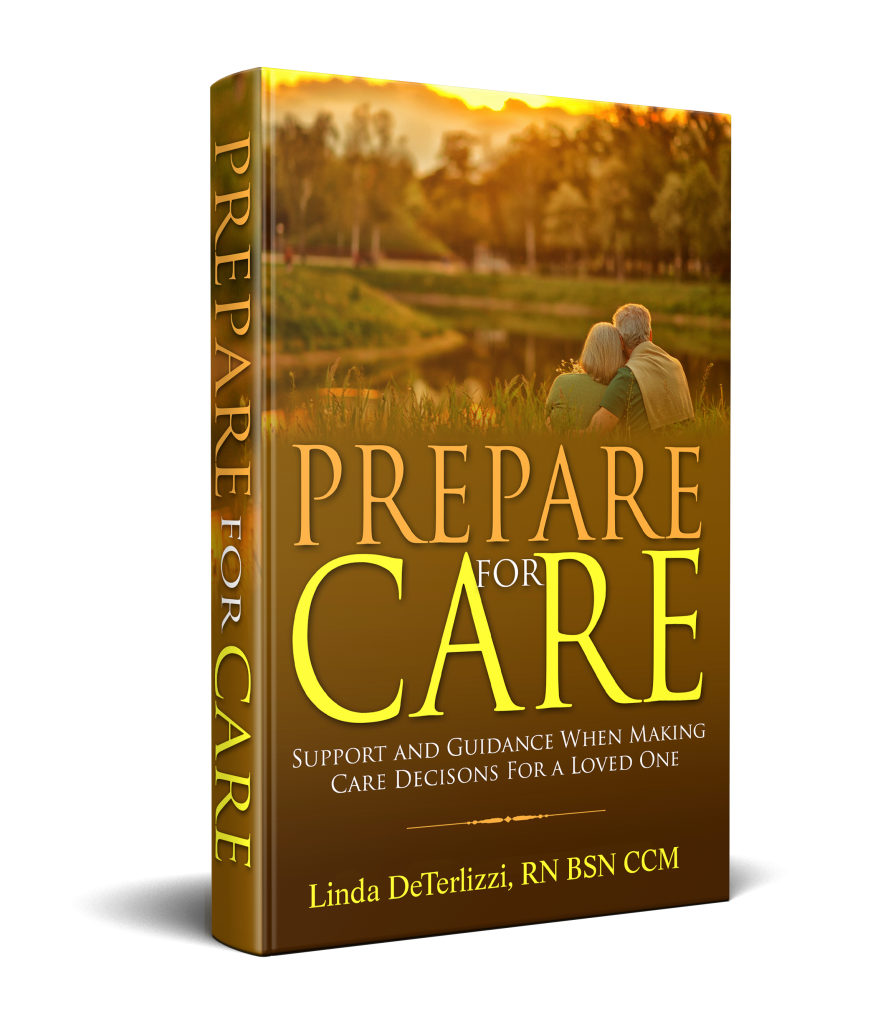
Get your personal guide today!

Connect with Linda