
When Winter & Holiday Emergencies Disrupt Care
The holiday season brings warmth, family gatherings, and moments meant to be cherished. But it also brings disruptions to normal routines — and unfortunately, an increase in emergency room visits and hospitalizations for older adults. Falls, infections, dehydration, heart issues, and medication missteps tend to spike between November and January.
For caregivers, a sudden hospital trip during the holidays can be overwhelming. Staffing may be lighter, wait times longer, and communication more challenging. Yet caregivers play a crucial role in ensuring their loved one receives safe, thorough, and well-coordinated care — even in the midst of holiday chaos.
This guide gives caregivers practical strategies for holiday hospital visits for seniors, helping you stay prepared, calm, and confident in the middle of an emergency.
1. Why Hospitalizations Increase During the Holidays
The winter and holiday season introduces several risk factors that can send older adults to the ER unexpectedly.
Common reasons include:
- Falls due to snow, ice, and cluttered holiday spaces
- Respiratory infections (flu, pneumonia, RSV, COVID)
- Dehydration from travel or disrupted routines
- Medication mix-ups during busy days
- Heart strain from cold weather or overexertion
- Food or diet changes causing blood pressure or glucose shifts
- Caregiver fatigue, which increases oversight risks
- Social overstimulation, especially in seniors with dementia
Understanding these risks helps caregivers act quickly — and prevent many emergencies altogether.
2. What to Bring to the ER (Your Ready-to-Go Hospital Bag)
In an emergency, caregivers often rush out the door without the items that help providers understand and treat the senior effectively.
Prepare a ready-to-go hospital bag that includes:
Essential documents
- Medication list (names, doses, schedules)
- List of allergies
- Medical history summary
- Copies of advance directives
- Insurance cards
- Physician and specialist contact info
- Emergency contacts
- Mobility aid instructions (if applicable)
Personal items
- Glasses, hearing aids, chargers
- A sweater or blanket (hospitals run cold)
- Toiletries
- Easy-to-slip-on shoes
- Comfortable clothes
Comfort items
- A familiar blanket or photo (helpful for dementia patients)
- Small snacks and water for the caregiver
- Notebook and pen for taking notes
Having this bag ready in advance reduces stress when every minute matters.
3. Communicating Effectively With ER Staff
During the holidays, emergency departments are often short-staffed and extremely busy. Professional, clear, concise communication helps ensure your loved one receives prompt and accurate care.
Communicate the essentials:
- The senior’s current symptoms
- When the symptoms began
- Any recent changes in appetite, mobility, or cognition
- Recent medication changes
- Pre-existing conditions
- Baseline functioning (“This isn’t normal for them.”)
Key phrases to help providers:
- “Their baseline is…” (Helps staff know what’s new)
- “I’m their caregiver, and I can share their daily routine.”
- “They have dementia — calm, simple communication works best.”
- “Here is their medication and medical history list.”
Clear information saves time and improves safety.
4. Advocating for Your Loved One During the Holiday Rush
Caregivers often need to act as advocates — especially when the ER is crowded and providers have limited time.
Ways to advocate respectfully and effectively:
- Ask for updates if it’s been a long wait
- Clarify anything you don’t understand
- Request warm blankets or comfort items for the senior
- Remind staff of vision/hearing challenges
- Speak up if pain is not being managed
- Ask how long test results might take
- Request that the care team explain any new medication
Advocacy is simply the act of ensuring providers have the full picture — and that the senior remains comfortable, safe, and informed.
5. How to Support Seniors With Dementia in the ER
Emergency rooms are tough environments for individuals with memory loss. Bright lights, busy hallways, unfamiliar people, and long waits can trigger:
- Agitation
- Wandering
- Confusion
- Delirium
- Anxiety
- Refusal of care
Helpful dementia-specific strategies:
- Use soft, reassuring voices
- Offer familiar items (blanket, photo, or music)
- Limit stimulation — request a quieter waiting area if possible
- Avoid arguing; instead, redirect gently
- Help interpret instructions from staff
- Stay at the bedside as much as possible
A calm caregiver presence is one of the most effective tools in these situations.
6. Know Your Rights: Understanding the Hospital Process
While every ER visit is different, caregivers can expect several standard steps:
Expect:
- Triage
- Vitals and preliminary assessments
- Bloodwork, imaging, or labs
- Provider evaluation
- Treatment plan
- Possible admission or discharge
During holidays, steps may take longer — but the process remains the same.
Caregiver tips:
- Keep notes on what tests were ordered
- Ask what the doctor is ruling out
- Clarify whether symptoms are urgent, concerning, or expected
- Request copies of discharge paperwork
- Verify medication changes before leaving
Information empowers safer care at home.
7. When Hospital Admission Is Necessary
If the senior is admitted, the caregiver’s role shifts from crisis management to support and coordination.
Key steps after admission:
- Provide the nurse with the medication list
- Share communication needs (vision, hearing, dementia)
- Ask when rounds typically occur
- Write down the names of the care team members
- Clarify dietary restrictions
- Bring personal comfort items
Staying organized helps the hospital staff deliver better care.
8. Holiday Challenges That Caregivers Should Expect
Hospitalizations during the holidays come with unique complications.
Common challenges include:
- Longer wait times
- Limited visiting hours
- Reduced staffing
- On-call providers rather than primary physicians
- Delayed test results
- Slower discharge processing
Knowing this in advance helps caregivers practice patience — and plan accordingly.
9. Safe Discharge Planning: The Most Important Step
Most hospital-related issues happen after discharge — not during the hospital stay.
Before leaving, ensure you have:
A complete understanding of:
- New or changed medications
- Follow-up appointment schedules
- Warning signs to watch for
- Care instructions (diet, mobility, hydration, rest)
- Recommendations for physical or occupational therapy
- Guidelines for wound care or equipment
Questions to ask:
- “What should I monitor at home?”
- “What symptoms require a return to the ER?”
- “When should we follow up with the primary care provider?”
- “Are home health services recommended?”
Ask for everything in writing. Holiday discharges are often rushed — your role is to safeguard the details.
10. Preventing Repeat ER Visits After the Holidays
Hospitals see a spike in repeat visits in the weeks following Christmas and New Year’s. Prevention is key.
Reduce risks by:
- Increasing hydration
- Keeping pathways clear
- Monitoring medications closely
- Watching for signs of infection
- Ensuring warmth and stable room temperatures
- Reducing overstimulation
- Maintaining regular meals and sleep habits
- Monitoring oxygen, blood pressure, or blood sugar if advised
A smooth transition home protects your loved one during this vulnerable time.
11. Emotional Support for Seniors After a Hospitalization
Hospital visits can be frightening, confusing, or disorienting — especially for older adults.
Support recovery by:
- Offering reassurance
- Keeping routines stable
- Limiting stimulation
- Encouraging rest
- Sitting with them during meals
- Allowing extra time for daily tasks
Emotional safety is a key part of healing.
12. Caregiver Well-Being After a Hospital Emergency
ER trips take a toll on caregivers too. Exhaustion, adrenaline, and fear can linger long after returning home.
Caregivers should:
- Rest after the crisis
- Talk about the experience with someone they trust
- Lean on respite care from family, friends, neighbors, and church family
- Eat, hydrate, and sleep well
- Set realistic expectations for the coming days
Crisis caregiving is intensely draining — support yourself the way you support your loved one.
Professional guidance offers families stability, clarity, and peace — especially during holiday emergencies.
Conclusion: Support, Preparation, and Peace of Mind
Holiday hospital visits for seniors are stressful, but caregivers don’t have to navigate them alone. With preparation, clear communication, and strong advocacy, you can help your loved one receive safe, compassionate, and coordinated care — even during the busiest time of year.
Your presence matters. Your voice matters. And with the right tools, you can turn a frightening situation into a manageable one.
Share This Story, Choose Your Platform!
Meet the Author

Purchase my “Prepare for Care” Guide
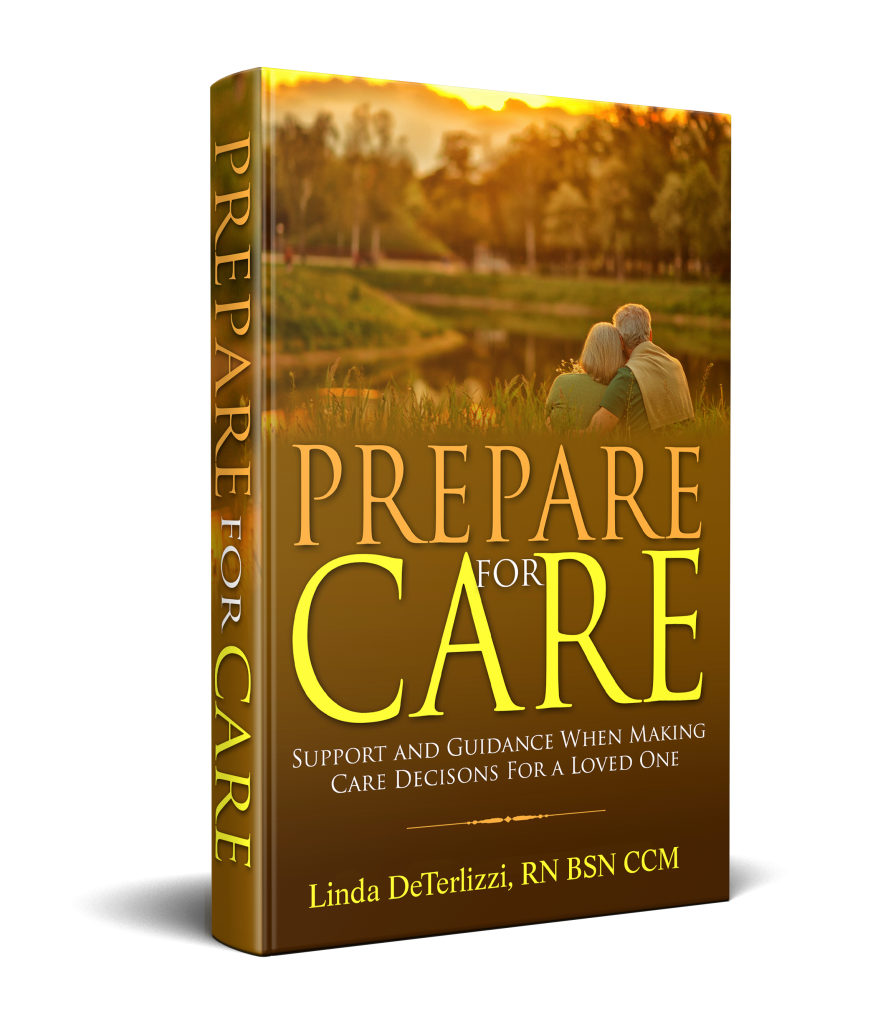
Get your personal guide today!




Connect with Linda