
Introduction: Joy, Food, and the Challenges of Holiday Health
The holidays bring together family, friends, and the comfort of home-cooked meals. For caregivers supporting aging loved ones, these celebrations are also a time of careful planning — balancing festive food traditions with ongoing health needs.
From medication timing to dietary restrictions, maintaining holiday nutrition for seniors can feel like a delicate dance. Rich foods, sweets, late-night meals, and even travel can disrupt normal routines and affect how medications work.
The good news? With a few thoughtful adjustments, seniors can safely enjoy the season’s best flavors without compromising their health. This guide offers practical tips to help caregivers plan ahead, reduce risk, and keep celebrations both joyful and safe.
Understanding Why Nutrition and Medication Balance Matters
As we age, metabolism slows, appetite changes, and the body becomes more sensitive to both food and medicine interactions. Many seniors take multiple prescriptions daily, making timing and meal choices especially important.
Some common interactions include:
- Blood pressure medications affected by high-sodium holiday dishes.
- Blood thinners (like warfarin) interacting with vitamin-K-rich foods (such as spinach or kale).
- Diabetes medications challenged by sugary desserts or alcohol.
- Diuretics that increase dehydration risk when combined with salty foods.
Caregivers who understand these interactions can help loved ones enjoy traditional meals while keeping health and comfort top of mind.
1. Plan Ahead: Review Medications Before the Holidays
Before the season gets busy, take time to review your loved one’s medication list with a medical provider, pharmacist, or nurse. Ask:
- Should any medicines be taken with or without food?
- Are there foods or drinks to avoid (such as grapefruit, alcohol, or leafy greens)?
- What’s the best timing if meal schedules change during family gatherings?
Tip: Create a simple medication checklist for travel or holiday dinners away from home. Include names, doses, times, and whether they require food. Having this ready avoids confusion amid the excitement.
2. Keep Hydration a Priority
Holiday beverages like coffee, wine, or eggnog can lead to dehydration — especially for seniors who may already drink less water. Dehydration can make medications less effective and increase fatigue, dizziness, or constipation.
Encourage hydration by:
- Offering water or herbal tea throughout the day.
- Including soups, fruits, and hydrating snacks (like melon or cucumber).
- Limiting alcohol and caffeine, which can worsen dehydration.
If your loved one takes diuretics or has kidney issues, consult their provider about safe fluid goals.
3. Manage Portions and Timing
Portion control isn’t about restriction — it’s about comfort and balance. Seniors may have smaller appetites or take medications that alter taste or digestion.
Caregiver strategies:
- Serve small, frequent meals instead of large plates.
- Offer lighter sides (steamed vegetables, roasted sweet potatoes, salads).
- Keep mealtimes consistent with medication schedules whenever possible.
- Encourage slow eating to support digestion and blood sugar stability.
If your loved one eats less than usual, check with their provider about adjusting medication timing or dosage.
4. Choose Heart-Healthy Holiday Foods
Traditional dishes can be modified for better health without losing their festive feel. Choose ingredients that promote energy and comfort without excess sodium, sugar, or fat.
Smart swaps:
- Use herbs and olive oil instead of butter and salt.
- Bake or roast instead of frying.
- Choose lean proteins (turkey, salmon, chicken).
- Offer whole grains like quinoa, brown rice, or whole-wheat stuffing.
- Prepare fruit-based desserts with less sugar.
Bonus: These lighter options are often enjoyed by everyone — not just older adults.
5. Watch Out for Common Food-Medication Interactions
Some foods, though healthy, can affect how medications work. Here are a few to keep in mind:
| Medication Type | Watch For | Why It Matters |
|---|---|---|
| Blood thinners (Warfarin) | Spinach, kale, broccoli | Vitamin K can interfere with medication effectiveness. |
| Statins (cholesterol meds) | Grapefruit, grapefruit juice | May cause dangerous side effects. |
| MAOIs (antidepressants) | Aged cheese, cured meats, wine | Can increase blood pressure. |
| Diabetes meds (insulin, sulfonylureas) | Sugary or carb-heavy foods | Can spike blood sugar. |
Tip: You don’t have to avoid these foods completely — just keep portions moderate and stay consistent day-to-day.
6. Simplify Holiday Cooking and Mealtime Stress
For caregivers, meal prep during the holidays can be overwhelming. The key is simplicity and inclusion. Seniors often feel happiest when they can participate — even in small ways like stirring batter or setting the table.
Consider:
- Preparing dishes ahead of time.
- Hosting potluck-style meals so everyone contributes.
- Seating your loved one away from drafts or busy traffic areas.
- Offering familiar foods alongside new ones to reduce stress and encourage eating.
These thoughtful touches support both nutrition and emotional well-being.
7. Maintain Consistency in Routine
The holidays often disrupt normal patterns — but stability is essential for seniors, especially those managing chronic illness, dementia, or anxiety.
Try to:
- Keep regular meal and medication times, even during travel or events.
- Bring snacks or medication reminders when out of the house.
- Build in rest periods between gatherings to avoid fatigue.
Consistency helps regulate blood pressure, digestion, and mood — making the season more enjoyable for everyone.
8. Be Mindful of Alcohol and Sweets
Holiday cocktails, desserts, and chocolates can be tempting, but moderation matters.
- Alcohol can interact with blood pressure, diabetes, pain, and sleep medications. It may also cause dizziness or low blood sugar.
- Sugary foods can raise blood glucose quickly and then crash it later, affecting energy and mood.
Offer alternatives: sparkling water with fruit, small dessert servings, or homemade low-sugar treats. Seniors can still celebrate — just safely.
9. Promote Digestive Health
Aging slows digestion, and rich foods can cause bloating or heartburn. Encourage habits that keep the digestive system happy:
- Add fiber-rich foods like oatmeal, berries, and vegetables.
- Limit fried or creamy dishes.
- Encourage a short walk after meals.
- Offer smaller portions spaced throughout the day.
If constipation becomes an issue, increase fluids and fiber gradually, and consult a healthcare provider about safe stool softeners.
10. Don’t Forget Emotional Nutrition
The holidays are about more than food — they’re about connection. Seniors may feel isolated if they can’t participate in traditions as before. Loneliness can actually affect appetite, immunity, and even medication adherence.
Make inclusion a priority:
- Ask about favorite dishes or memories.
- Let them help with simple kitchen tasks.
- Eat together, even if portions are small.
- Keep background noise low for easy conversation.
Emotional nourishment is as important as physical nutrition.
11. Travel Tips for Caregivers
If you’re visiting relatives or dining away from home:
- Pack medications and water in a clearly labeled container.
- Bring healthy snacks like nuts or fruit for blood sugar support.
- Share dietary needs with hosts ahead of time.
- Keep a cooler bag for medications that need temperature control.
A little preparation keeps everyone relaxed and focused on the fun.
12. Watch for Warning Signs During the Holidays
Busy gatherings can sometimes hide subtle changes in a loved one’s health. Keep an eye out for:
- Dizziness or confusion (possible dehydration or medication interaction).
- Swelling in ankles or hands (salt retention).
- Changes in appetite, mood, or sleep.
- Difficulty remembering doses or skipping medication.
Addressing these early can prevent hospital visits or complications.
13. The Role of a Care Consultant
Navigating multiple medications, dietary needs, and family dynamics can be challenging. A care management professional — like LMD Care Consulting — helps coordinate medical advice, simplify medication routines, and create personalized plans that fit both the season and the senior’s lifestyle.
Care consultants can:
Help caregivers develop clear daily routines.
Recommend community meal programs and nutrition resources.
Offer stress management guidance for families during the holidays.
Professional support helps families enjoy peace of mind — and more meaningful moments together.
Conclusion: Making the Holidays Both Joyful and Safe
Balancing holiday nutrition for seniors doesn’t mean saying no to the foods that make the season special. It means making mindful choices, honoring traditions, and keeping well-being at the center of every celebration.
By planning ahead, staying consistent, and listening to your loved one’s body, you can create a holiday that’s both festive and healthy. The goal isn’t perfection — it’s presence, comfort, and connection.
This season, let your gatherings nourish both the body and the heart.
Share This Story, Choose Your Platform!
Meet the Author

Purchase my “Prepare for Care” Guide
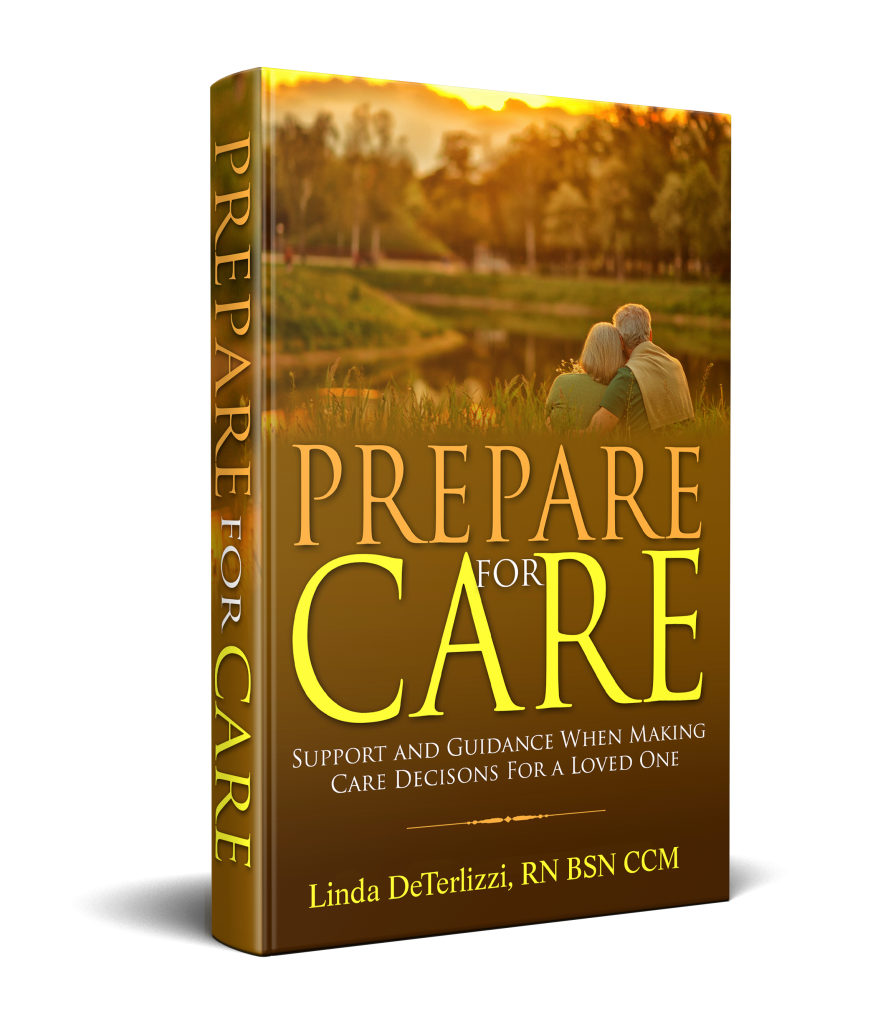
Get your personal guide today!




Connect with Linda