
Aging is a journey, and for many older adults, maintaining independence is central to their identity. Yet, as health and abilities change, families often find themselves walking a fine line between encouraging autonomy and ensuring safety. Knowing when to step in can be difficult. In this post, we’ll explore how to recognize the signs that more help is needed and how to approach the conversation with care.
Why Independence Matters
For older adults, staying independent means more than living alone. It reflects their dignity, self-worth, and connection to a life they’ve built. Preserving this independence whenever possible is important for emotional and mental well-being.
However, there comes a time when doing everything alone may become unsafe. That’s where balancing independence and support becomes key.
Signs That More Help Might Be Needed
Look out for these early indicators:
- Frequent falls or unexplained bruises
- Missed medication doses or wrong prescriptions
- Poor hygiene or unwashed clothing
- Expired or missing food in the fridge
- Missed appointments or confusion about schedules
- Decline in home cleanliness
- Unusual financial activity
These signs suggest your loved one may benefit from assistance at home or a more supervised environment.
Starting the Conversation
Approach the topic with empathy and curiosity:
- Avoid making it feel like an intervention
- Focus on your concern for their safety
- Ask questions like “Have you noticed any changes?”
- Share specific observations without judgment
Reassure your loved one that needing help doesn’t mean losing control. It means gaining support.
Solutions That Respect Independence
Options include:
- Home care assistance: Help with daily tasks while remaining at home
- Technology tools: Medication reminders, emergency alert systems
- Adult day programs: Social connection and structured support
- Modifying the home: Install grab bars, remove tripping hazards, improve lighting
Many families also benefit from working with a care manager to evaluate options and coordinate services.
When More Supervision Becomes Necessary
In some cases, home modifications aren’t enough. Cognitive decline, progressive illness, or significant mobility issues may require:
- Assisted living
- Memory care
- Skilled nursing care
These transitions can be emotionally challenging. Focus on quality of life, connection, and meaningful routines.
Supporting Emotional Health During Transitions
Change can feel like a loss. Be mindful of:
- Validating emotions
- Keeping your loved one involved in decisions
- Helping maintain social ties and hobbies
How LMD Care Consulting Helps
We help families:
- Identify support needs
- Evaluate in-home vs. facility care options
- Navigate emotional family discussions
- Coordinate care plans and services
We believe independence and safety can coexist. Let us help you find the right balance.
Share This Story, Choose Your Platform!
Meet the Author

Purchase my “Prepare for Care” Guide
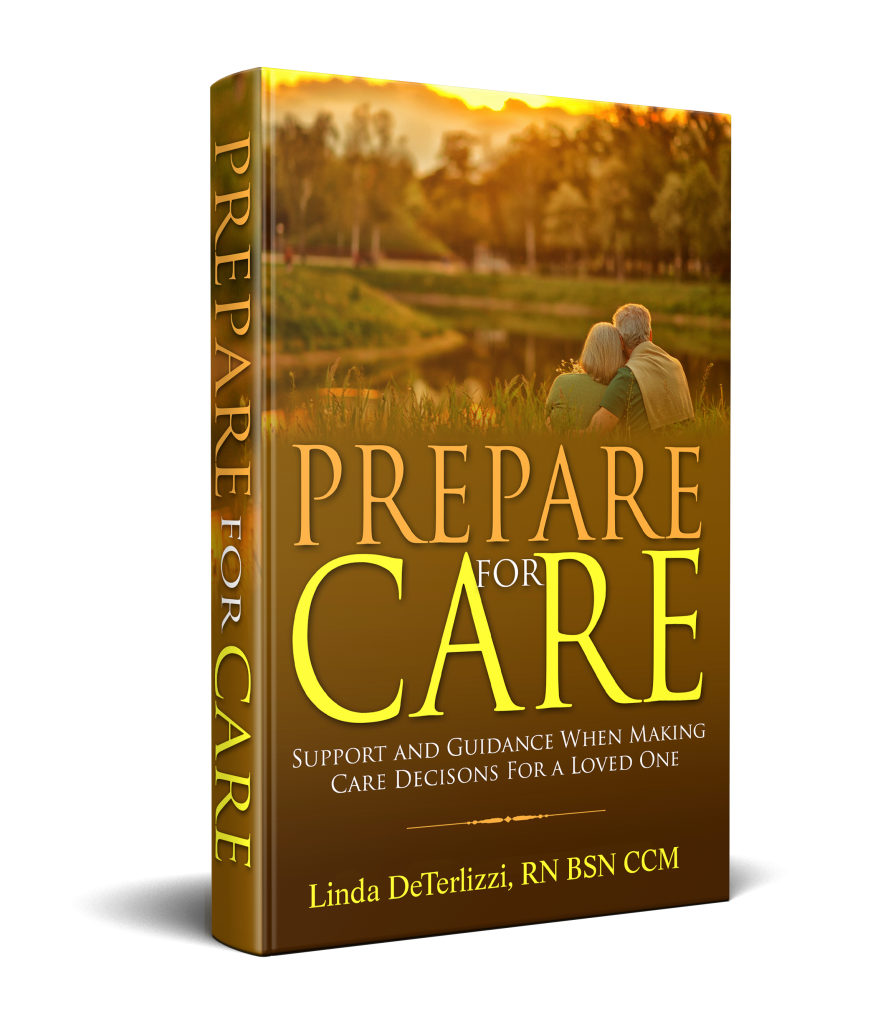
Get your personal guide today!




Connect with Linda