
Introduction: Every Minute Matters
A stroke can happen suddenly and without warning. One moment, a loved one may seem completely fine. The next, they may struggle to speak, smile unevenly, or lose balance. For caregivers, recognizing these changes quickly can save a life — and protect long-term brain function.
May is National Stroke Awareness Month, making it the perfect time to talk about one of the most important health emergencies caregivers may encounter. Understanding stroke warning signs for caregivers is essential because fast action can dramatically improve recovery outcomes.
Many strokes are missed in the early moments because symptoms can seem subtle, temporary, or confusing. Caregivers are often the first people to notice that something “just isn’t right.” Trusting those instincts matters.
This guide explains how to recognize stroke symptoms, what steps to take immediately, how strokes affect older adults differently, and how caregivers can support both prevention and recovery.
What Is a Stroke?
A stroke occurs when blood flow to part of the brain is interrupted or reduced. Without oxygen-rich blood, brain cells begin to die within minutes.
There are two primary types of stroke:
1. Ischemic Stroke
The most common type, caused by a blood clot blocking blood flow to the brain.
2. Hemorrhagic Stroke
Caused by bleeding in or around the brain after a blood vessel ruptures.
Both require immediate medical attention.
There’s also a condition called a TIA (Transient Ischemic Attack) or “mini-stroke,” which causes temporary symptoms but still signals a serious future stroke risk.
Why Caregivers Need Stroke Awareness
Caregivers often spend the most time observing daily behaviors, routines, and subtle health changes. Because of this, they may recognize symptoms before anyone else does.
Quick recognition matters because:
- Stroke treatments are time-sensitive
- Delayed care can worsen brain damage
- Early intervention improves survival and recovery
- Some symptoms disappear temporarily, leading families to underestimate them
The faster a person receives treatment, the greater the chance of preserving speech, mobility, cognition, and independence.
The FAST Method: The Most Important Stroke Tool
The easiest way to recognize a possible stroke is the FAST acronym.
F — Face Drooping
Ask the person to smile.
- Does one side droop?
- Does the smile look uneven?
A — Arm Weakness
Ask them to raise both arms.
- Does one drift downward?
- Is one arm weak or numb?
S — Speech Difficulty
Ask them to repeat a simple sentence.
- Is speech slurred?
- Are they confused or unable to speak clearly?
T — Time to Call 911
If any of these signs are present:
Call 911 immediately.
Do not wait to “see if it passes.”
Other Stroke Symptoms Caregivers Should Know
Not all strokes look dramatic. Some symptoms are easy to dismiss.
Additional warning signs include:
- Sudden confusion
- Trouble understanding speech
- Sudden dizziness or loss of balance
- Difficulty walking
- Severe headache with no known cause
- Sudden vision changes
- Numbness on one side of the body
- Sudden fatigue or weakness
- Trouble swallowing
In older adults, symptoms may appear less obvious or fluctuate temporarily.
Why Strokes Are Sometimes Missed in Seniors
Stroke symptoms in older adults may mimic:
- Fatigue
- Dehydration
- Medication side effects
- Dementia progression
- Low blood sugar
- General “not feeling well”
Caregivers may hesitate to overreact — but when it comes to strokes, acting quickly is always safer than waiting.
The Importance of Calling 911 Immediately
Some caregivers try to drive loved ones to the hospital themselves. This can delay life-saving treatment.
Why calling 911 matters:
- EMS can begin assessment immediately
- Hospitals prepare stroke teams in advance
- Treatment starts faster
- Emergency responders monitor changes en route
Time lost = brain cells lost.
What Happens During Stroke Treatment
Once at the hospital, providers may:
- Perform brain imaging (CT or MRI)
- Check blood pressure and oxygen levels
- Assess speech and movement
- Determine stroke type
- Begin clot-busting medication if appropriate
Some stroke treatments must happen within just a few hours of symptom onset.
Stroke Risk Factors Caregivers Should Monitor
Certain conditions significantly increase stroke risk.
Major risk factors include:
- High blood pressure
- Diabetes
- High cholesterol
- Smoking
- Atrial fibrillation (AFib)
- Obesity
- Physical inactivity
- Prior stroke or TIA
- Heart disease
- Chronic stress
Caregivers can help manage these risks through consistent routines and monitoring.
Stroke Prevention Strategies for Caregivers
Many strokes are preventable.
1. Support Medication Adherence
Blood pressure medications, blood thinners, and diabetes medications are critical.
Use:
- Pill organizers
- Medication reminders
- Written schedules
2. Encourage Blood Pressure Monitoring
High blood pressure is the leading stroke risk factor.
Track readings regularly and report major changes to providers.
3. Promote Healthy Nutrition
Focus on:
- Fruits and vegetables
- Whole grains
- Lean protein
- Reduced sodium
- Hydration
4. Encourage Movement
Even light exercise improves circulation and heart health.
Examples:
- Walking
- Chair exercises
- Stretching
- Physical therapy programs
5. Watch for Mini-Strokes (TIAs)
Symptoms may disappear quickly, but they are serious warnings.
Never ignore temporary confusion, weakness, or speech changes.
Stroke Recovery: What Families Should Expect
Stroke recovery varies widely depending on:
- Stroke severity
- Time to treatment
- Age and health status
- Rehabilitation access
Recovery may involve:
- Physical therapy
- Occupational therapy
- Speech therapy
- Cognitive rehabilitation
- Emotional support
Some seniors recover fully. Others experience lasting changes.
The Emotional Impact of Stroke
A stroke affects more than the body.
Seniors may experience:
- Depression
- Fear
- Frustration
- Loss of independence
- Personality changes
- Cognitive challenges
Caregivers may feel:
- Shock
- Guilt
- Exhaustion
- Anxiety about recurrence
Both need support and compassion.
Supporting a Loved One After Stroke
Recovery can feel overwhelming. Caregivers can help by:
Providing structure
Predictable routines reduce stress.
Celebrating progress
Small improvements matter.
Encouraging therapy participation
Consistency improves recovery outcomes.
Reducing overstimulation
Fatigue is common after stroke.
Allowing emotional expression
Grief and frustration are normal.
Caregiver Burnout After Stroke
Stroke caregiving can become intense quickly.
Caregivers may suddenly manage:
- Mobility support
- Medication schedules
- Appointments
- Emotional care
- Transportation
- Home modifications
It’s important to:
- Accept help
- Use respite care
- Attend support groups
- Protect your own health
Caregiver health directly impacts recovery quality.
Home Safety After Stroke
After a stroke, safety needs may change dramatically.
Important home adjustments include:
- Grab bars
- Shower chairs
- Raised toilet seats
- Clear walkways
- Mobility aids
- Better lighting
- Fall prevention planning
How LMD Care Consulting Can Help
LMD Care Consulting supports families before, during, and after stroke recovery by:
- Coordinating care plans
- Supporting hospital transitions
- Helping families navigate rehabilitation
- Assisting with home safety planning
- Monitoring caregiver stress
- Assist families with resources and services
Professional guidance can make recovery feel less overwhelming and more manageable.
Conclusion: Trust Your Instincts and Act Fast
Recognizing stroke warning signs for caregivers can save a life — and protect a loved one’s future independence.
If something feels wrong:
Act immediately.
Do not wait. Do not second-guess yourself.
Awareness, preparation, and quick response are powerful tools. And as a caregiver, your attention and advocacy matter more than you know.
Share This Story, Choose Your Platform!
Meet the Author

Purchase my “Prepare for Care” Guide
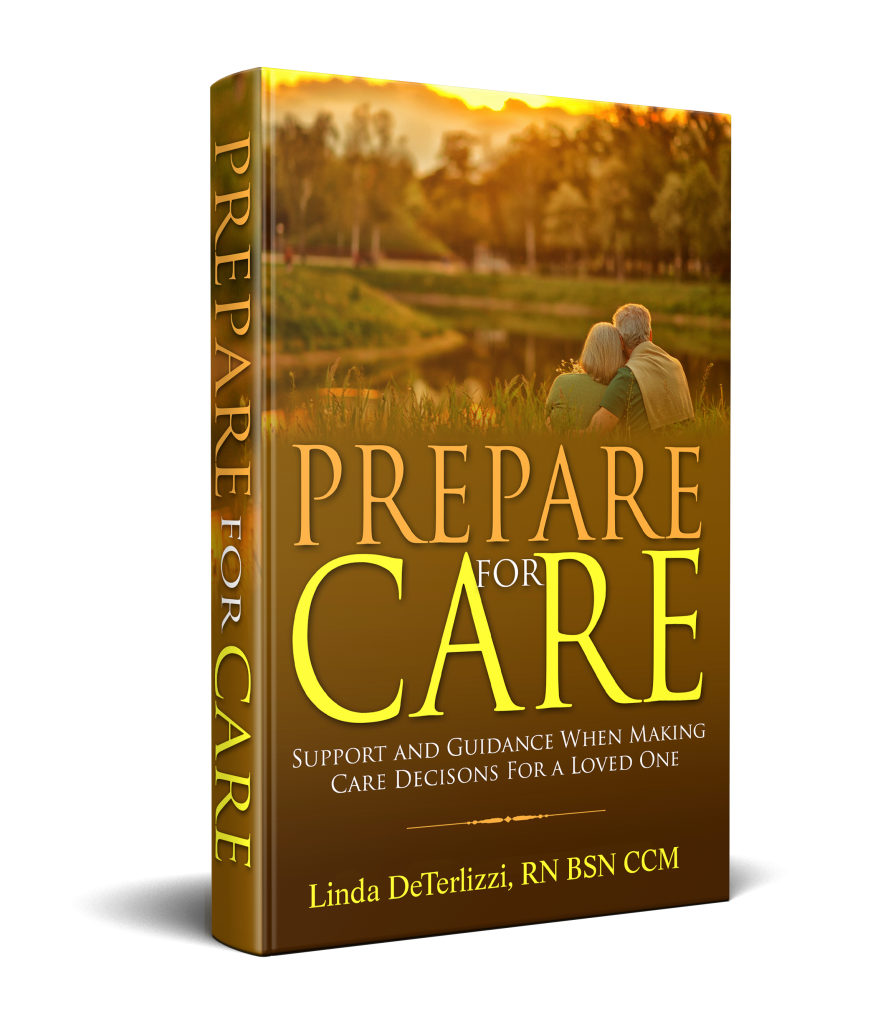
Get your personal guide today!




Connect with Linda