
As the warmth of summer fades and autumn approaches, it’s time to prepare for seasonal changes that can affect the health, comfort, and safety of seniors. Transitioning into fall involves more than just swapping summer clothes for sweaters — it’s an opportunity to review healthcare needs, adjust the home environment, and prepare mentally for the months ahead.
For seniors, the shift in weather, daylight hours, and daily routines can impact everything from mobility to mood. By taking proactive steps now, caregivers and family members can help older adults stay healthy, comfortable, and confident through the season.
1. Health Appointments and Preventive Care
The start of fall is a natural time to review health routines and schedule essential checkups.
Key actions include:
- Annual Physical Exam: Address ongoing concerns and update medications.
- Flu Vaccination: Early fall is the best time for flu shots to maximize protection.
- Medication Review: Ensure prescriptions are up to date and adjusted for seasonal needs.
- Specialist Visits: Schedule dental, vision, and hearing checkups.
Caregiver Tip: Use a shared calendar to track appointments and reduce scheduling conflicts.
2. Boosting Immunity Through Nutrition
Fall offers a bounty of nutrient-rich foods that support immune health.
- Seasonal Produce: Incorporate squash, sweet potatoes, and leafy greens into meals.
- Vitamin D: As sunlight hours decrease, consider supplements if recommended by a doctor.
- Hydration: Even as temperatures drop, seniors still need consistent fluid intake.
3. Preparing the Home for Cooler Weather
A safe, comfortable home environment reduces the risk of falls, illness, and accidents.
Fall home safety checklist:
- Test smoke and carbon monoxide detectors.
- Service heating systems before first use.
- Add rugs with non-slip backing in frequently used areas.
- Increase lighting in dim hallways and entryways.
4. Clothing and Comfort Adjustments
Proper clothing protects against hypothermia and improves comfort.
- Layer clothing for warmth without overheating.
- Keep a warm blanket near favorite chairs.
- Ensure footwear fits well and has slip-resistant soles.
5. Maintaining Activity in Cooler Weather
Mobility can decrease when outdoor activity declines. Encourage:
- Indoor walking routines.
- Seated stretching exercises.
- Virtual fitness or yoga classes designed for seniors.
6. Mental Health and Seasonal Changes
Shorter days can lead to seasonal affective disorder (SAD) in some seniors.
- Increase exposure to natural light.
- Use light therapy lamps if recommended.
- Plan social activities to maintain connection.
Conclusion
By taking a proactive approach, caregivers can help seniors transition smoothly into autumn while minimizing health risks and maximizing comfort.
Contact us today for guidance and resources or to tailor a plan to your loved one’s needs
Share This Story, Choose Your Platform!
Meet the Author

Purchase my “Prepare for Care” Guide
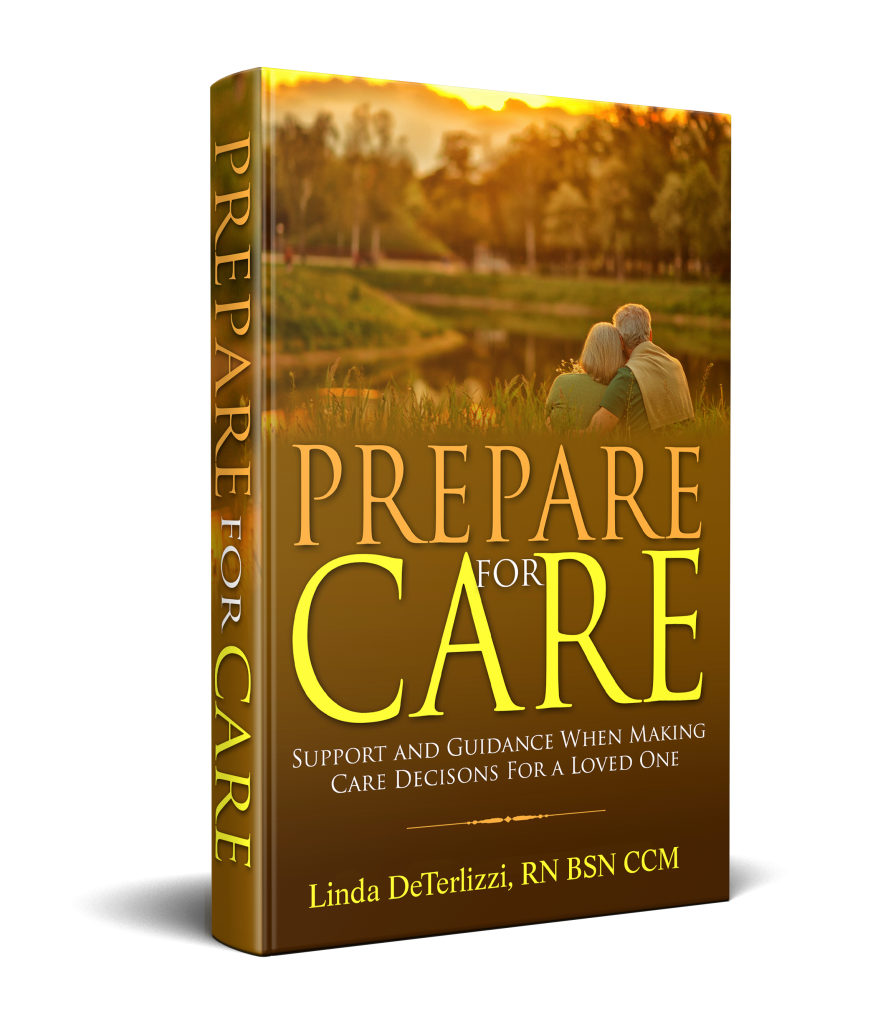
Get your personal guide today!


Connect with Linda