
Family caregivers are often the bridge between loved ones and the healthcare system. You attend appointments, manage medications, and ask the hard questions—but communicating effectively with healthcare providers can feel overwhelming, especially when emotions run high or medical jargon clouds understanding.
Clear, respectful communication doesn’t just improve care—it helps reduce stress, prevent errors, and ensure your loved one’s needs are truly heard. This guide offers practical strategies for communicating with healthcare providers as a caregiver, helping you feel more confident, informed, and empowered every step of the way.
 Why Communication Matters in Caregiving
When you’re caring for someone with a chronic or complex condition, communication is everything. Providers depend on caregivers for vital information—symptoms, side effects, changes in behavior, and daily routines.
Poor communication, on the other hand, can lead to confusion, unnecessary hospital visits, or medication errors.
Good communication helps you:
- Clarify treatment goals and next steps
- Build trust with medical teams
- Catch early signs of complications
- Coordinate care between specialists
- Advocate for your loved one’s preferences and dignity
 Fact: A study in the Journal of Patient Safety found that nearly 80% of serious medical errors involve miscommunication. Caregivers who speak up, ask questions, and confirm instructions help reduce those risks.
 Step 1: Prepare Before Each Appointment
Effective communication begins before you walk into the doctor’s office. Preparation shows respect for the provider’s time and ensures you make the most of every minute.
 Create a Care Binder or Digital File
Keep a simple folder or app that includes:
- Medication lists (names, dosages, and times)
- Allergies and reactions
- Medical history and diagnoses
- Contact info for all providers
- Insurance or pharmacy details
- Recent test results or hospital discharge papers
Having everything in one place helps providers make quick, informed decisions.
 Write Down Questions Ahead of Time
During an appointment, it’s easy to forget key points—especially when you’re processing new information.
Before each visit, jot down:
- Top three concerns you want to discuss
- Any new symptoms or changes you’ve observed
- Clarifications about medications or test results
Start with the most important issues first. If you run out of time, you can schedule a follow-up visit for the rest.
 Step 2: Practice Active Listening
Listening well is as important as speaking clearly. When providers explain care plans, it’s easy to miss key details, especially if the conversation moves quickly or includes unfamiliar terms.
How to Listen Actively
- Take notes or record (with permission).
- Repeat back what you heard: “Just to confirm, you want her to take this twice a day, right?”
- Ask for plain language: “Could you explain that another way?”
- Pause before responding: It’s okay to take a breath or glance at your notes before asking questions.
Tip: If you’re feeling emotional or overwhelmed, ask if you can get a written summary through the patient portal or email. That way, you can review it later.
 Step 3: Ask Clear, Focused Questions
Healthcare appointments often feel rushed, but well-chosen questions can help you get the most out of every visit.
Questions That Get Results
- “What’s the main goal of this treatment?”
- “Are there alternative options we should consider?”
- “What side effects should I watch for?”
- “What should we do if symptoms get worse?”
- “Who can I contact if we have questions after hours?”
- “Is this covered by insurance?”
The Power of Open-Ended Questions
Instead of “Is she okay?”, try “What changes should we expect over the next few weeks?”
Open-ended questions invite deeper explanations and ensure you fully understand the situation.
Pro Tip: Bring a trusted friend or family member to take notes or ask backup questions. A second set of ears often catches what you might miss.
 Step 4: Build Collaborative Relationships
Healthcare is a partnership. When providers see you as part of the team, communication naturally improves.
Be Respectful—but Assertive
- Use polite, calm language—even when you’re frustrated.
- Acknowledge the provider’s expertise while sharing your own observations.
- “I appreciate your perspective. From what I’ve seen at home, this medication seems to cause dizziness—could we review that?”
Keep Communication Channels Open
If your loved one sees multiple specialists, make sure everyone is updated. Ask the primary provider to share records and notes electronically.
If you notice conflicting advice, speak up respectfully:
“We received different guidance from the cardiologist—can we clarify which plan we should follow?”
This kind of communication helps avoid mixed messages and ensures coordinated care.
 Step 5: Understand the Language of Healthcare
Medical terminology can sound like a foreign language. Don’t be afraid to ask for clarification—providers expect it.
Common Terms to Know
- Diagnosis: The name of the condition
- Prognosis: The likely outcome or course of the illness
- Palliative care: Symptom-focused care at any stage of illness
- Hospice care: Comfort care for the final stage of life
- Advance directive: A document outlining care wishes and decision-makers
You can also ask:
“Can you explain that term in simpler words?”
“Would you mind writing that down so I can look it up later?”
Remember, your goal isn’t to impress anyone—it’s to understand and advocate clearly.
 Step 6: Use Technology Wisely
Many healthcare providers now offer online portals for test results, messages, and appointment reminders. These tools can make communication faster and more organized.
Smart Ways to Use Technology
- Upload updated medication lists before appointments.
- Message providers with quick, non-urgent questions.
- Review visit notes to ensure you understood the plan.
- Set reminders for medications or follow-ups.
Tip: Avoid sending emotional or urgent messages through portals—call directly for emergencies. Use online tools for information sharing, not crisis management.
 Step 7: Communicate Compassionately
As a caregiver, you are both an advocate and a family member. Emotions often run high when your loved one is in pain or decline. Practicing compassion—both for yourself and for medical staff—keeps conversations productive.
What Compassionate Communication Looks Like
- Use “I” statements: “I’m concerned about her fatigue,” instead of “You haven’t done enough tests.”
- Thank providers for their time and effort.
- Recognize shared goals: “We both want her to stay comfortable and independent.”
Healthcare providers respond best when they feel respected and understood. Compassion opens the door to better collaboration.
 Step 8: Advocate Without Apology
Advocating doesn’t mean being confrontational—it means ensuring your loved one’s voice is heard. You know their history, preferences, and daily challenges better than anyone.
Advocacy in Action
- Clarify values: “Quality of life is most important to him right now.”
- Request care coordination: “Can we schedule a team meeting to get everyone on the same page?”
- Document everything: Write down names, dates, and advice from every interaction.
If you ever feel dismissed, it’s okay to seek a second opinion. Advocacy is about persistence, not conflict.
Reminder: You are not “just a caregiver.” You are part of the care team, and your input is essential.
 Step 9: Manage Emotional Stress After Appointments
Difficult news, complex instructions, or uncertainty can leave caregivers emotionally drained. Take time after appointments to process information and plan next steps.
Helpful Strategies
- Review your notes calmly at home.
- Call a friend or counselor to talk through emotions.
- Use breathing exercises or short walks to reset.
- Write a summary of what was discussed for family members.
Self-care after medical visits helps you stay grounded and ready for the next steps.
 Step 10: Follow Up and Stay Organized
Communication doesn’t end after the appointment. Consistent follow-up helps prevent gaps in care and keeps everyone aligned.
What to Do Next
- Confirm next appointments and note them in your calendar.
- Track symptoms or medication reactions to report later.
- Email or message providers if you need clarification.
- Share updates with family or other caregivers to maintain consistency.
Small habits—like sending a quick “thank you” note or confirming medication changes—strengthen your relationship with the care team.
When Communication Breaks Down
Sometimes, despite your best efforts, communication with healthcare providers feels strained. Maybe you feel rushed, unheard, or dismissed. Don’t lose hope—there are constructive ways to reset the conversation.
Try This:
- Ask for a care conference to gather all providers together.
- Bring a written summary of concerns for clarity.
- Request to speak with a patient advocate or case manager.
- If necessary, seek a new provider who aligns better with your family’s needs.
Good communication is a skill that improves over time. Each interaction gives you a chance to learn and build confidence.
How LMD Care Consulting Can Help
At LMD Care Consulting, we understand that caregivers often juggle medical details, emotional challenges, and complex family dynamics. We helps families:
- Prepare for medical appointments
- Organize paperwork and questions
- Communicate effectively with healthcare providers
- Navigate hospital discharges and care transitions
- Advocate for loved ones with confidence and compassion
Whether you’re new to caregiving or managing ongoing health needs, clear communication can transform the experience—for both you and your loved one.
Final Thoughts
Communicating with healthcare providers as a caregiver isn’t always easy, but it’s one of the most powerful tools you have. With preparation, patience, and compassion, you can turn intimidating appointments into collaborative conversations that truly support your loved one’s well-being.
Every question you ask, note you take, and clarification you seek strengthens the circle of care around your family. Remember: effective communication isn’t about being perfect—it’s about being present, prepared, and persistent.
LMD Care Consulting is here to help you find your voice, stay organized, and ensure your loved one receives the best possible care—every step of the way.
Share This Story, Choose Your Platform!
Meet the Author

Purchase my “Prepare for Care” Guide
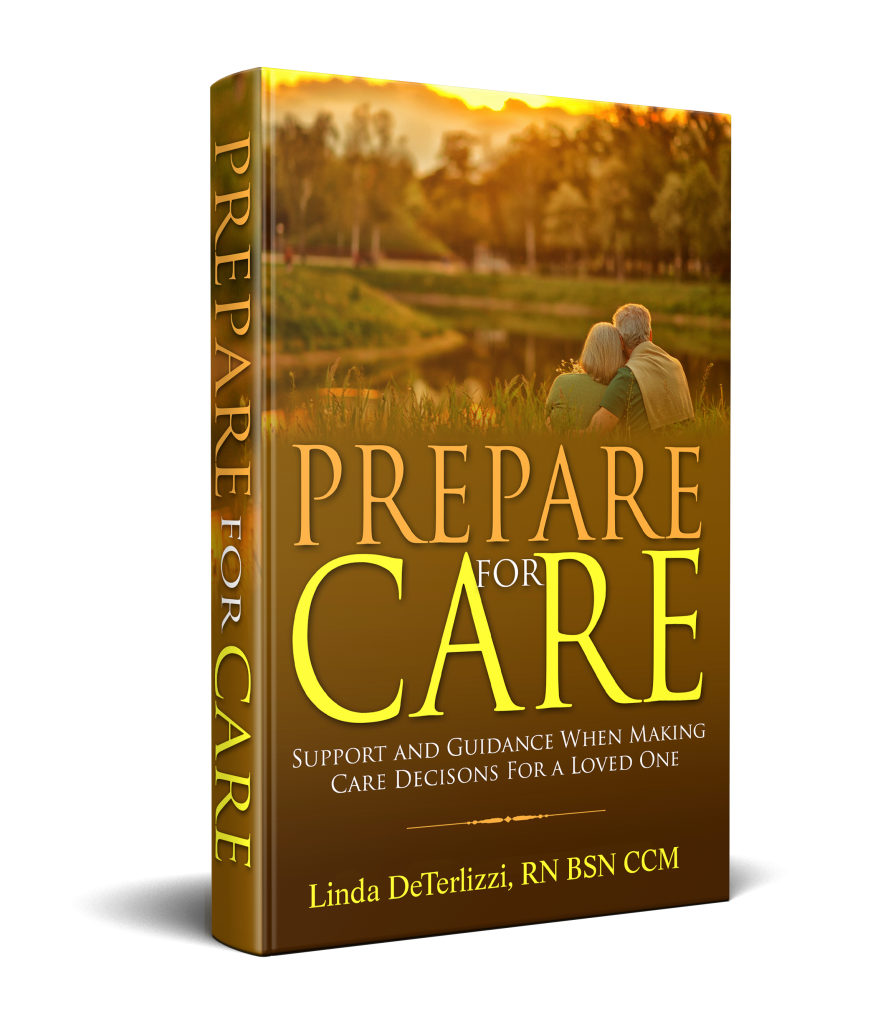
Get your personal guide today!




Connect with Linda