
For many older adults, driving represents far more than transportation.
It symbolizes independence, freedom, and control.
Losing the ability to drive can feel like losing a part of one’s identity.
For families, however, concerns about driving safety in older adults can become increasingly difficult to ignore.
Small warning signs may appear gradually:
- A new dent in the car
- Getting lost on familiar routes
- Increased anxiety while driving
- Slower reaction times
Knowing when—and how—to start the conversation can help families protect safety while preserving dignity.
Why Driving Becomes More Challenging with Age
Aging can affect several abilities essential for safe driving.
These include:
Vision changes
Reduced reaction time
Decreased flexibility and mobility
Medication side effects
Cognitive decline
Even mild changes can affect driving performance.
Warning Signs Families Should Watch For
Signs that driving may no longer be safe include:
- Frequent close calls or accidents
- Confusion at intersections
- Difficulty judging distance
- Missing traffic signals
- Driving significantly slower than traffic
- Getting lost in familiar areas
Family members often notice these changes before the driver does.
How to Start the Conversation
Approaching the topic requires sensitivity.
Avoid accusations such as:
“You’re not safe on the road.”
Instead try:
“I’ve noticed driving seems more stressful lately. How are you feeling about it?”
This opens the door for discussion rather than defensiveness.
Focus on Safety, Not Control
Frame the conversation around safety for everyone involved.
The goal is not to take something away but to protect well-being.
Sometimes the conversation can include gradual changes, such as:
- Avoiding night driving
- Limiting driving to familiar routes
- Driving only during daylight hours
These steps can extend safe driving.
Explore Alternatives
Transportation options may include:
- Family assistance
- Community senior transportation programs
- Ride services
- Volunteer driver programs
Knowing alternatives exist can reduce fear.
When Professional Evaluation Helps
If uncertainty remains, a driving evaluation from an occupational therapist or medical provider can provide objective guidance.
These assessments evaluate:
- Reaction time
- Cognitive ability
- Physical mobility
- Visual skills
A professional recommendation often reduces family conflict.
A Final Thought
Driving safety conversations are difficult because they involve independence, identity, and trust.
Approaching the topic with empathy and planning helps families protect both safety and dignity.
When handled thoughtfully, these conversations can lead to safer roads and continued quality of life.
Share This Story, Choose Your Platform!
Meet the Author

Purchase my “Prepare for Care” Guide
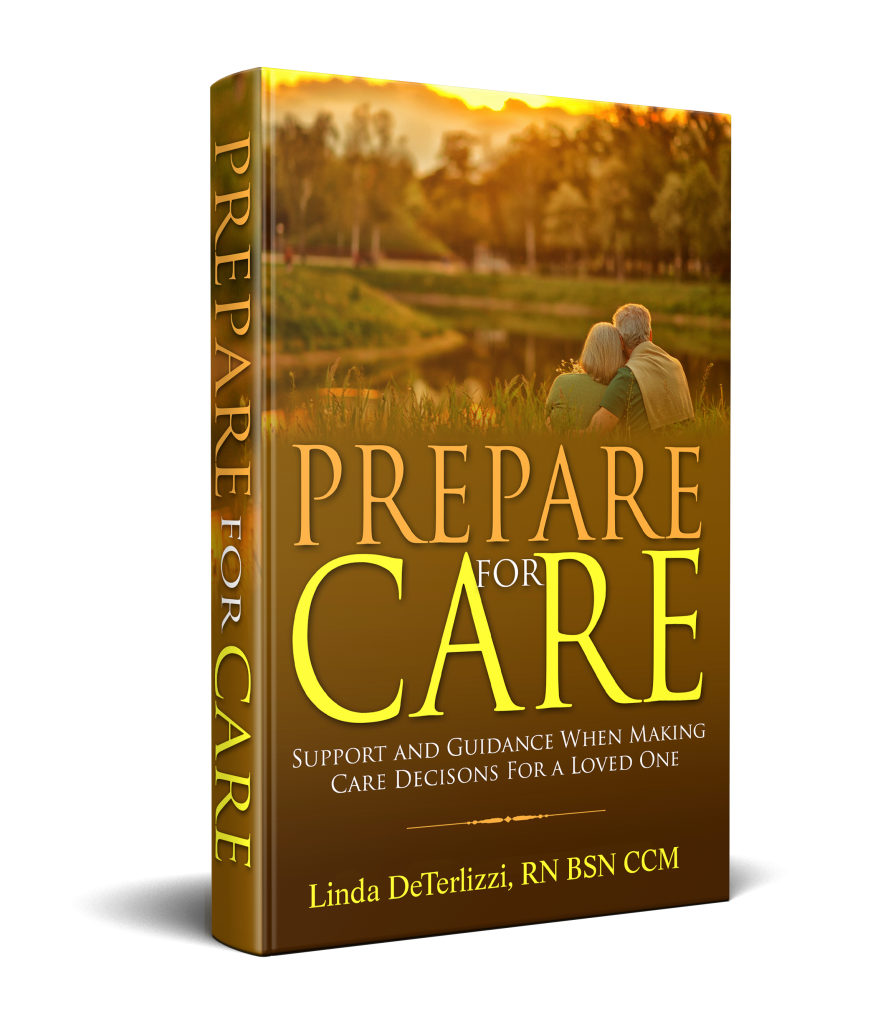
Get your personal guide today!




Connect with Linda